
The Delhi-Jaipur corridor on NH-48 is one of India’s most commercially and culturally significant highway stretches — five hours of four-lane highway connecting the national capital to Rajasthan’s pink city through the satellite towns of Gurugram, Manesar, Bhiwadi, Kotputli, and Shahpura. The volume of traffic this corridor handles daily — tourists heading to Jaipur, trucks serving the industrial estates, pilgrims heading to Ajmer’s Dargah Sharif, and marble traders from Makrana and Kishangarh — has for years exceeded what a conventional highway can efficiently process. The Kotputli-Kishangarh Greenfield Expressway, widely referred to as the Delhi-Ajmer Expressway, is the dedicated infrastructure answer to this overloaded corridor.
The Kotputli-Kishangarh Greenfield Expressway is a 181-kilometre, six-lane greenfield access-controlled expressway connecting Paniyala (NH-148B) in Kotputli at its northern end to the junction of NH-48 and NH-448 at Kishangarh at its southern end — covering the central Rajasthan section between Delhi’s gateway and the Ajmer-Kishangarh marble market zone. The project costs approximately ₹6,906 crore, covers 1,679 hectares of land, and is being built 100 metres wide at a height of 15 feet above ground level on greenfield alignment. Construction commenced in December 2025.
Once operational, the expressway will reduce the Kotputli-to-Kishangarh journey from approximately five hours to two hours — a three-hour saving on what is one of Rajasthan’s most commercially intense domestic corridors. The route passes through the Neem Ka Thana area’s Gavadi zone and connects several important towns: Khatu Shyam Ji, Makrana, Nawa, Kuchaman City, and Kishangarh.
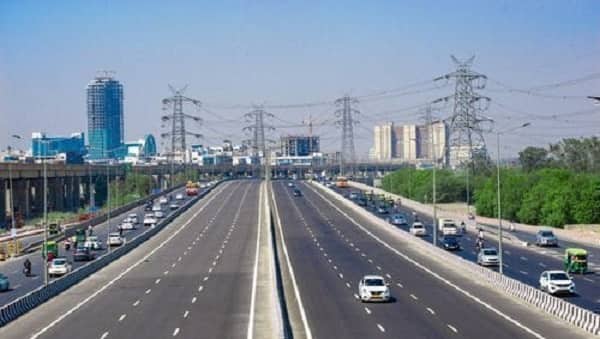
Delhi Ajmer Expressway Overview
| Detail | Information |
| Name | Kotputli–Kishangarh Greenfield Expressway / Delhi-Ajmer Expressway |
| Maintained By | NHAI / Rajasthan Government |
| Length | 181 km |
| Lanes | 6-lane access-controlled greenfield |
| North End | Paniyala, Kotputli (NH-148B) |
| South End | Kishangarh (NH-48 and NH-448 Junction) |
| State | Rajasthan |
| Project Cost | ₹6,906 crore |
| Land Acquisition | 1,679 hectares |
| Width | 100 metres |
| Height | 15 feet (elevated alignment) |
| Construction Start | December 2025 |
| Travel Time on Completion | 2 hours (Kotputli to Kishangarh; vs current 5 hours) |
| Key Towns on Route | Khatu Shyam Ji, Makrana, Nawa, Kuchaman City, Kishangarh |
| Part of | Rajasthan’s nine-greenfield expressway programme |
| Pilgrimage Connectivity | Direct faster access to Khatu Shyam Ji temple and Ajmer Dargah Sharif |
Route and Location
The expressway begins at Paniyala on NH-148B in the Kotputli zone — where the Delhi-Jaipur arterial corridor feeds into the state — and runs southward through Neem Ka Thana, the Gavadi region, Khatu Shyam Ji’s approach zone, Makrana, Nawa, and Kuchaman City before terminating at Kishangarh’s NH-48/NH-448 junction. Kishangarh is itself a significant commercial centre — the marble trading capital of India and home to the famous Kishangarh miniature painting school whose distinctive stylised portraits are among Rajasthan’s most recognisable artistic exports.
Connectivity
At Kotputli, the expressway connects to NH-148B, which links toward the Delhi-Jaipur NH-48 corridor northward. At Kishangarh, it meets NH-48 and NH-448 — the latter being the Kishangarh-Udaipur highway, extending the expressway’s connectivity southward toward Udaipur and the southern Rajasthan tourism belt. The Kotputli-Kishangarh expressway is one of nine new greenfield expressways announced for Rajasthan, alongside the Jaipur-Bhilwara (193 km), Bikaner-Kotputli (295 km), Beawar-Bharatpur (342 km), and Ajmer-Banswara (358 km) projects.
Nearby Areas
Khatu Shyam Ji — the Rajasthan shrine dedicated to Barbarika, drawing millions of devotees especially during the Phalguna Mela — is one of the most visited pilgrimage destinations in northern India accessible directly from this corridor. Makrana — the source of the pure white marble used in the Taj Mahal and countless historic Indian monuments — is one of India’s most commercially significant stone-quarrying towns, whose logistics will benefit directly from the expressway’s completion. Ajmer’s Dargah Sharif — the shrine of Sufi saint Moinuddin Chishti, drawing pilgrims of all faiths from across the subcontinent — is the spiritual destination that gives this corridor its cultural weight.
Frequently Asked Questions (FAQs)
Q1. What is the Delhi Ajmer Expressway?
A: The 181-km Kotputli-Kishangarh Greenfield Expressway, a six-lane access-controlled road from Paniyala (Kotputli) to Kishangarh (NH-48 junction) in Rajasthan. Construction began December 2025. Cost: ₹6,906 crore.
Q2. How much will the Delhi Ajmer Expressway reduce travel time?
A: From approximately 5 hours to 2 hours for the Kotputli-to-Kishangarh stretch — a saving of around 3 hours.
Q3. Which pilgrimage sites does this expressway serve?
A: Khatu Shyam Ji temple (one of Rajasthan’s most visited shrines) and Ajmer Dargah Sharif are the primary pilgrimage destinations along and near the expressway corridor.
Q4. Why is Kishangarh significant for the Delhi Ajmer Expressway?
A: Kishangarh is India’s marble trading capital — the commercial hub for Makrana marble, used in the Taj Mahal — and its faster connectivity to Delhi benefits one of Rajasthan’s most important industrial and trading economies.
Q5. Is the Delhi Ajmer Expressway part of a larger Rajasthan expressway programme?
A: Yes — it is one of nine new greenfield expressways announced for Rajasthan, which also includes the Jaipur-Bhilwara (193 km), Bikaner-Kotputli (295 km), and Beawar-Bharatpur (342 km) corridors.