
Before April 2005, the road between Jaipur and Kishangarh was two lanes of national highway crowded with trucks from Gujarat and western Madhya Pradesh, passenger vehicles heading between the Pink City and the marble-trading capital of India, and the slow commercial churn of one of Rajasthan’s busiest freight corridors. NH-8 — now renumbered NH-48 — was the only Delhi-Mumbai highway connection through Rajasthan, and this particular stretch bore the concentration of all that national and regional traffic on a road that was never built to handle it.
The six-lane Jaipur-Kishangarh Expressway, completed in April 2005, was one of the first segments of NH-8 to be upgraded under the National Highway Development Project’s Golden Quadrilateral programme — and the transformation it delivered was immediate. A two-lane highway carrying 20,000-plus vehicles daily suddenly had six access-controlled lanes with no grade crossings, no pedestrian interference, and no sudden village approaches forcing vehicles to slow to 30 km/h. The expressway covers 90 kilometres from Jaipur’s Daulatpura Toll Plaza southward to Kishangarh in Ajmer district, and it is maintained by GVK Jaipur Expressways Private Limited (GJEPL). It forms part of the Golden Quadrilateral — the diamond-shaped network connecting Delhi, Mumbai, Chennai, and Kolkata — and carries the freight and passenger movement of an extraordinary commercial geography: Jaipur’s diamond, gold, and semi-precious stone jewellery industry, the Kishangarh-Makrana marble economy, and the long-haul traffic flowing between Delhi and Gujarat-Maharashtra through Rajasthan’s western corridor.
At Kishangarh’s southern end, NH-79A diverges toward Nasirabad and Ajmer — connecting the expressway’s terminus to the Ajmer Dargah Sharif pilgrimage zone approximately 35 kilometres further west. Kishangarh is also the birthplace of the Kishangarh School of Miniature Painting — the distinctive 18th-century Rajput art style characterised by elongated eyes and idealised romantic figures whose most famous work depicts the divine love of Radha and Krishna. The expressway ends in a town of unexpectedly layered cultural identity.
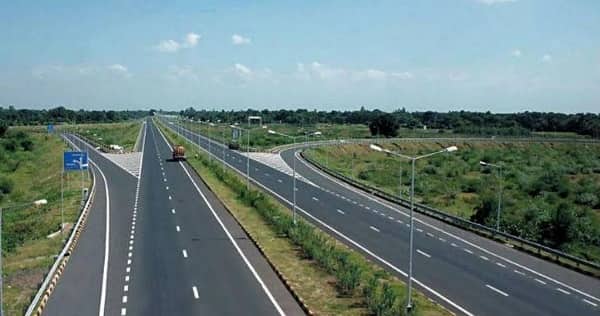
Jaipur Kishangarh Expressway Overview
| Detail | Information |
| Name | Jaipur-Kishangarh Expressway |
| Highway | NH-48 (formerly NH-8); Golden Quadrilateral |
| Length | 90 km |
| Lanes | 6-lane access-controlled |
| North End | Daulatpura Toll Plaza, Jaipur |
| South End | Kishangarh, Ajmer District |
| Completed | April 2005 |
| Concessionaire | GVK Jaipur Expressways Private Limited (GJEPL) |
| Programme | NHDP — Golden Quadrilateral |
| State | Rajasthan |
| Daily Traffic | 20,000+ vehicles |
| Distance to Ajmer | Kishangarh + 35 km via NH-79A = ~125 km from Jaipur |
| Connects To | NH-79A at Kishangarh (toward Ajmer-Nasirabad) |
| NH-48 Upgrade 2024 | 155-km Jaipur-Shahjahanpur stretch resurfaced 2024 |
| Industrial Significance | Jaipur gem-jewellery exports; Kishangarh-Makrana marble supply chain |
| Cultural Significance | Kishangarh Miniature Painting School; Ajmer Dargah corridor |
Route and Location
The expressway runs from Daulatpura on Jaipur’s southern urban fringe southwestward through the flat Ajmer district plains for 90 kilometres before reaching Kishangarh. The terrain is open Rajasthan agricultural land — relatively flat with no significant topographic obstacles, which allowed the expressway’s engineering to proceed without the tunnels or major bridges required by the Sahyadri or Himalayan corridor projects. The surrounding agricultural economy transitions from the Jaipur district’s mixed urban-rural fringe to Ajmer district’s drier sugarcane and cotton-growing zone as the expressway approaches its southern terminus.
Connectivity
NH-48 continues southward from Kishangarh toward Udaipur, Ahmedabad, Vadodara, Surat, and Mumbai — the full Delhi-Mumbai Golden Quadrilateral corridor. The Kotputli-Kishangarh Greenfield Expressway currently under construction (construction commenced December 2025, 181 km, ₹6,906 crore) will extend the northern reach of the Kishangarh node toward Kotputli and the Delhi-Jaipur corridor, ultimately creating a continuous high-speed chain from Delhi through Jaipur to Kishangarh to Ajmer.
Nearby Areas
Ajmer — with the Dargah Sharif of Sufi saint Hazrat Moinuddin Chishti and the Ana Sagar Lake — is approximately 35 kilometres from the expressway’s Kishangarh terminus, accessible via NH-79A. Pushkar, with its sacred lake, the only Brahma temple in the world, and the famous annual camel fair, is 10 kilometres beyond Ajmer. Makrana — the village whose white marble quarries supplied the stone for the Taj Mahal and continue supplying India’s construction industry — is 60 kilometres from Kishangarh, its supply chain flowing through the expressway corridor daily.
Frequently Asked Questions (FAQs)
Q1. What is the Jaipur Kishangarh Expressway?
A: A 90-km, six-lane access-controlled expressway on NH-48 (Golden Quadrilateral), connecting Jaipur to Kishangarh in Ajmer district. Completed April 2005 under NHDP.
Q2. Who maintains the Jaipur Kishangarh Expressway?
A: GVK Jaipur Expressways Private Limited (GJEPL) under a concession agreement.
Q3. How far is Ajmer from the expressway?
A: Approximately 35 km from Kishangarh via NH-79A — giving a combined Jaipur-to-Ajmer road distance of around 125 km.
Q4. What commercial traffic dominates the Jaipur Kishangarh Expressway?
A: Trucks carrying Kishangarh-Makrana marble, Jaipur gem-jewellery consignments, and long-haul freight between Delhi and Gujarat-Maharashtra on the NH-48 Golden Quadrilateral corridor.
Q5. Is there a new expressway being built to extend the Kishangarh node?
A: Yes — the 181-km Kotputli-Kishangarh Greenfield Expressway (₹6,906 crore) started construction December 2025 and will connect Kishangarh northward to Kotputli and the Delhi-Jaipur corridor.