
Fresh green vegetables are an essential part of a healthy diet. They are packed with vitamins, minerals, fiber, and antioxidants that support overall well-being. However, leafy greens and other vegetables often spoil quickly if they are not stored properly. Wilting, yellowing, mold, and loss of freshness are common problems, leading to unnecessary food waste and higher grocery expenses. Fortunately, with the right storage techniques, many green vegetables can stay fresh for up to two weeks while retaining their taste and nutritional value.
Whether you buy vegetables from a local market, supermarket, or farmers’ market, following a few simple storage practices can help you enjoy fresh produce for longer.
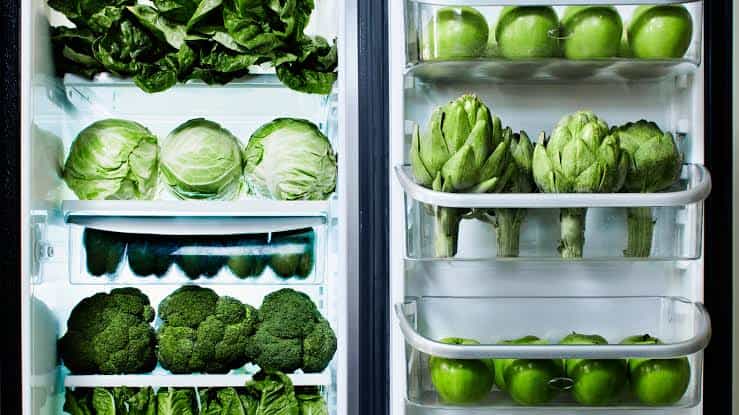
Choose Fresh Vegetables from the Start
Proper storage begins before you even bring vegetables home. Fresh, high-quality produce naturally lasts longer than vegetables that are already damaged or wilted.
When shopping, look for vegetables that are:
- Bright green in color
- Firm and crisp
- Free from yellow or brown spots
- Without signs of mold or decay
- Fresh-looking leaves with no sliminess
Avoid vegetables that appear soft, bruised, or have an unpleasant odor.
Wash Only When Necessary
Many people wash vegetables immediately after buying them. While washing removes dirt, excess moisture can speed up spoilage if vegetables are stored while still wet.
For longer storage:
- Avoid washing leafy greens until you are ready to use them.
- If you prefer washing beforehand, dry them thoroughly with a clean kitchen towel or salad spinner.
- Ensure there is no standing water before refrigerating.
Keeping vegetables as dry as possible helps prevent mold growth.
Use Paper Towels to Control Moisture
Excess moisture is one of the biggest reasons vegetables spoil quickly.
Wrap leafy vegetables such as spinach, coriander, lettuce, or mint loosely in a dry paper towel before placing them in a storage container or bag.
The paper towel absorbs excess moisture while maintaining the right humidity level, helping leaves stay crisp for longer.
Replace the paper towel if it becomes damp.
Store in Airtight Containers
Instead of leaving vegetables in thin plastic shopping bags, transfer them to clean, airtight containers or reusable storage bags.
Good storage options include:
- Glass containers with lids
- BPA-free food-grade plastic containers
- Reusable silicone storage bags
- Zip-lock bags with a few small ventilation holes
Proper containers protect vegetables from excessive moisture loss while reducing exposure to outside air.
Use the Refrigerator’s Crisper Drawer
Most refrigerators have a crisper drawer designed specifically for fruits and vegetables.
This compartment helps maintain the ideal humidity for fresh produce.
Leafy vegetables, beans, peas, broccoli, and capsicum generally stay fresher when stored in the crisper drawer rather than on open refrigerator shelves.
Avoid overcrowding the drawer, as good air circulation helps maintain freshness.
Store Different Vegetables Separately
Not all vegetables should be stored together.
Some fruits and vegetables release ethylene gas, which speeds up ripening and spoilage.
Keep leafy greens away from:
- Apples
- Bananas
- Tomatoes
- Avocados
- Ripe mangoes
Separating these items helps extend the shelf life of delicate vegetables.
Trim but Do Not Cut
For vegetables such as spring onions, coriander, and celery, remove damaged or wilted outer leaves before storage.
However, avoid chopping vegetables into small pieces unless you plan to use them soon.
Whole vegetables retain moisture better and generally stay fresh longer than pre-cut pieces.
Keep Herbs Fresh
Fresh herbs like coriander, mint, and parsley require special care.
One effective method is to:
- Trim the stem ends.
- Place the stems in a jar with a small amount of water.
- Loosely cover the leaves with a plastic bag.
- Store the jar in the refrigerator.
Alternatively, wrap herbs in a slightly damp paper towel and place them in an airtight container.
Maintain the Right Refrigerator Temperature
The ideal refrigerator temperature for storing vegetables is around 1°C to 4°C (34°F to 40°F).
If the refrigerator is too warm, vegetables spoil faster.
If it is too cold, some vegetables may develop frost damage.
Maintaining a consistent temperature helps preserve freshness.
Check Vegetables Regularly
Inspect stored vegetables every few days.
Remove any leaves or vegetables that show signs of:
- Yellowing
- Mold
- Soft spots
- Sliminess
One spoiled vegetable can affect nearby produce, so removing damaged items promptly helps protect the rest.
Freeze Extra Vegetables
If you realize you will not use certain vegetables within two weeks, freezing is a practical option.
Many vegetables can be blanched briefly in boiling water, cooled quickly in ice water, drained, and frozen in airtight freezer bags.
Common vegetables suitable for freezing include:
- Spinach
- Green peas
- Broccoli
- Beans
- Cauliflower
Freezing helps preserve nutrients and reduces food waste.
Common Storage Mistakes to Avoid
To maximize freshness, avoid these common errors:
- Storing wet vegetables without drying them.
- Overfilling storage containers.
- Keeping vegetables in sealed bags with trapped moisture.
- Storing leafy greens near ethylene-producing fruits.
- Ignoring spoiled vegetables in the refrigerator.
Making small adjustments to your storage habits can significantly extend the life of your produce.
Benefits of Proper Vegetable Storage
Using correct storage methods offers several advantages:
- Reduces food waste
- Saves money on groceries
- Maintains freshness and flavor
- Preserves nutritional quality
- Makes meal preparation more convenient
Having fresh vegetables readily available also encourages healthier eating habits.
Conclusion
Keeping green vegetables fresh for up to two weeks is possible with proper storage techniques. Start by selecting fresh produce, avoid storing vegetables while wet, use paper towels to manage moisture, store them in airtight containers, and keep them in the refrigerator’s crisper drawer. Separating vegetables from ethylene-producing fruits, maintaining the correct refrigerator temperature, and checking produce regularly can further extend freshness. By following these simple yet effective tips, you can enjoy crisp, flavorful vegetables for longer, reduce household food waste, and make the most of every grocery purchase.