
Diabetes is a long-term health condition that affects how the body regulates blood sugar (glucose). In India, where meals often include rice, wheat, potatoes, and sweets, making thoughtful cooking choices can help people with diabetes manage their blood sugar levels as part of an overall treatment plan. While medication, physical activity, and regular medical check-ups are important, a balanced diet prepared with healthy cooking methods also plays a significant role.
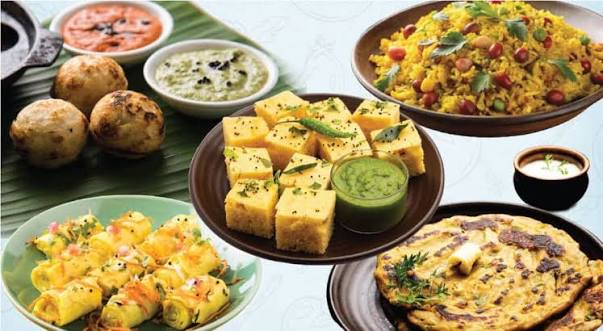
Cooking for someone with diabetes does not mean preparing bland or restrictive meals. Instead, it involves using nutritious ingredients, controlling portion sizes, limiting added sugars, and choosing cooking techniques that preserve nutrients while reducing excess fat. Here are practical tips for preparing delicious and diabetes-friendly Indian meals.
Focus on Whole Grains
Replacing refined grains with whole grains can increase the fiber content of meals, which may help slow the rise in blood sugar after eating.
Healthier grain options include:
- Whole wheat flour (atta)
- Brown rice
- Millets such as jowar, bajra, and ragi
- Oats
- Barley (jau)
You can also mix millet flour with whole wheat flour to make soft and nutritious rotis.
Include Plenty of Non-Starchy Vegetables
Vegetables are naturally rich in fiber, vitamins, and minerals while being relatively low in calories.
Include a variety of vegetables such as:
- Spinach
- Fenugreek leaves (methi)
- Bottle gourd (lauki)
- Ridge gourd (turai)
- Bitter gourd (karela)
- Cauliflower
- Broccoli
- Cabbage
- Capsicum
- Beans
Aim to fill a large portion of the plate with vegetables to create balanced meals.
Choose Healthy Protein Sources
Protein helps increase satiety and supports muscle health.
Good protein options include:
- Lentils (dal)
- Chickpeas
- Rajma
- Moong sprouts
- Paneer (in moderation)
- Tofu
- Eggs
- Fish
- Skinless chicken
- Low-fat dairy products
Combining protein with whole grains and vegetables creates a satisfying and balanced meal.
Use Healthy Cooking Methods
The way food is cooked can affect both its nutritional value and calorie content.
Healthier cooking techniques include:
- Steaming
- Boiling
- Grilling
- Baking
- Roasting
- Pressure cooking
- Stir-frying with minimal oil
These methods generally require less added fat compared to deep frying.
Limit Deep-Fried Foods
Many popular Indian snacks are deep-fried, including:
- Samosas
- Pakoras
- Pooris
- Bhaturas
- Kachoris
These foods are often high in calories and saturated fat. Instead, try baked, roasted, or air-fried versions when possible.
Cook with Healthy Oils
Healthy fats are an important part of a balanced diet, but moderation is key.
Common cooking oils include:
- Mustard oil
- Groundnut oil
- Rice bran oil
- Sunflower oil
- Sesame oil
Rather than focusing on one “best” oil, use any cooking oil in moderate amounts and avoid repeatedly reheating oil for deep frying.
Reduce Added Sugar
Minimize or avoid adding sugar to:
- Tea
- Coffee
- Desserts
- Beverages
Instead of sugary sweets, satisfy your sweet cravings with whole fruits in appropriate portions as advised by your healthcare provider or dietitian.
Be Careful with Salt
Many packaged foods and pickles contain high amounts of sodium.
To reduce salt intake:
- Use fresh herbs for flavor.
- Add spices such as cumin, coriander, turmeric, ginger, and garlic.
- Limit processed foods and salty snacks.
Reducing excess salt can also support heart health, which is particularly important for people with diabetes.
Use Indian Spices for Flavor
Indian spices add taste without increasing sugar or unhealthy fats.
Popular spices include:
- Turmeric
- Cumin
- Coriander
- Cinnamon
- Black pepper
- Mustard seeds
- Curry leaves
- Cardamom
These spices make meals flavorful while allowing you to reduce the need for excess salt or sugar.
Practice Portion Control
Even healthy foods can raise blood sugar if eaten in very large quantities.
A simple plate method is:
- Half the plate: Non-starchy vegetables
- One-quarter: Whole grains or millet
- One-quarter: Protein-rich foods
This approach helps create balanced meals while managing portion sizes.
Sample Diabetes-Friendly Indian Meal
A nutritious lunch or dinner could include:
- Two whole wheat or millet rotis
- Mixed vegetable sabzi
- One bowl of dal
- Fresh cucumber and tomato salad
- Plain curd (if suitable)
This combination provides carbohydrates, protein, fiber, and essential nutrients.
Healthy Snack Ideas
Instead of sugary snacks, choose options such as:
- Roasted chana
- Unsalted nuts (in moderation)
- Fresh fruit
- Sprout salad
- Plain yogurt
- Vegetable sticks with hummus
Balanced snacks can help manage hunger between meals.
Stay Hydrated
Drinking enough water supports overall health.
Healthier beverage choices include:
- Water
- Unsweetened buttermilk
- Lemon water without sugar
- Unsweetened herbal tea
Limit sugar-sweetened soft drinks, packaged juices, and energy drinks.
Meal Planning Tips
Planning meals ahead makes healthy eating easier.
Helpful strategies include:
- Prepare weekly menus.
- Cook larger batches of dal or vegetables.
- Keep washed vegetables ready for cooking.
- Carry healthy snacks while traveling.
- Read nutrition labels on packaged foods.
Meal planning reduces reliance on convenience foods.
Common Mistakes to Avoid
People cooking for diabetes should avoid:
- Excessive use of sugar.
- Frequent deep frying.
- Oversized portions.
- Too many refined carbohydrates.
- Sugary beverages.
- Skipping meals, which may not be appropriate for everyone and should be discussed with a healthcare professional.
Individual Needs May Vary
Every person with diabetes has unique nutritional needs based on age, activity level, medications, and overall health. Meal plans should be personalized, and individuals should consult a doctor or registered dietitian for dietary advice tailored to their condition.
Conclusion
Cooking for diabetic patients in India can be both healthy and flavorful by focusing on whole grains, vegetables, lean proteins, and healthy cooking methods. Limiting added sugars, reducing deep-fried foods, controlling portions, and using aromatic Indian spices can help create balanced meals that support blood sugar management as part of an overall healthy lifestyle. With thoughtful planning and fresh ingredients, it is possible to prepare delicious Indian dishes that are enjoyable, nutritious, and suitable for people living with diabetes.