
Setting up a beer shop in India is legal, but only within a licensing framework that differs so sharply from one state to the next that a business model perfectly legal in Goa or Karnataka could be entirely prohibited a few hundred kilometers away in Gujarat or Bihar. Alcohol regulation in India isn’t governed by a single central law — it falls under the State List of the Constitution, meaning each state and union territory sets its own rules for who can sell beer, where, under what license, and sometimes whether it can be sold at all. Understanding whether a beer shop is legal, then, really means understanding which state’s excise laws apply and what licensing process that specific state requires.
For anyone considering opening a beer shop, working at one, or simply trying to understand why liquor availability looks so different between neighboring states, this patchwork of rules explains most of the confusion.
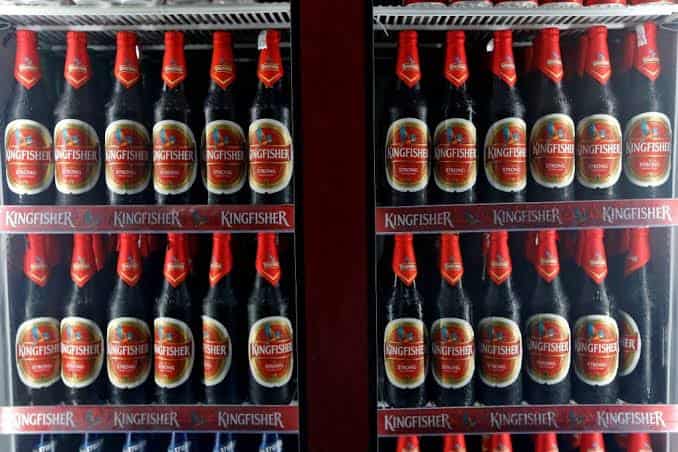
Why Alcohol Laws Differ So Much Across India
Alcohol falls under “State List” subjects in India’s constitutional framework, meaning the central government has no uniform liquor policy — each state legislature independently decides its own excise laws, licensing structure, and enforcement approach.
- States set their own minimum legal drinking age, ranging from 18 in some states to 25 in others.
- Licensing fees, categories, and renewal processes vary considerably, with some states charging significantly higher fees than others for similar license types.
- A handful of states and union territories maintain full or partial prohibition, banning the sale (and in some cases possession or consumption) of alcohol entirely or under specific restricted conditions.
- Even within a single state, rules can differ by district, particularly in areas with local prohibition orders, religious sensitivity zones, or proximity restrictions near educational institutions and places of worship.
This decentralized structure is precisely why a beer shop’s legality can’t be answered with a single yes or no — it depends entirely on location.
States Where Beer Shops Are Fully Prohibited
A small number of Indian states enforce complete or near-complete prohibition, making a legal beer shop effectively impossible to operate.
- Bihar enforces a strict, comprehensive prohibition on the sale, purchase, and consumption of alcohol, including beer, with significant legal penalties for violations.
- Gujarat has maintained prohibition since the state’s formation, though it operates a permit system allowing limited, regulated access for specific categories such as tourists, medical needs, and certain permit holders.
- Nagaland maintains prohibition under its own state liquor law, though enforcement and informal availability vary in practice.
- Mizoram has moved between prohibition and partial relaxation over the years, with periods of regulated legal sale interspersed with stricter prohibition phases, making it worth checking current status specifically before assuming either extreme applies.
- Certain other states allow local bodies (like village panchayats) to vote for prohibition within their jurisdiction even when the broader state permits alcohol sale, creating localized dry zones within otherwise “wet” states.
In each of these prohibition states, operating a beer shop without the specific, narrow permit exceptions the law allows would be a serious legal violation, not a gray area.
States and Union Territories With Regulated but Legal Sale
Outside the prohibition states, the vast majority of India permits beer sale through a structured licensing system, though the specifics of that system vary considerably.
- Most states operate through a combination of government-run liquor outlets and privately licensed retail shops, with the exact ratio and model differing by state policy.
- Some states, like Kerala and Tamil Nadu, have historically leaned toward greater government control over retail liquor sale, while others, like Karnataka and Maharashtra, allow a larger private retail presence.
- Union territories such as Delhi, Puducherry, and Goa each maintain their own excise departments and licensing rules, independent of neighboring state policies, which is part of why cross-border liquor pricing and availability differences are so pronounced.
- Several states differentiate licensing and taxation for beer specifically compared to spirits or wine, sometimes making beer shop licenses more accessible or differently priced than a full liquor license.
This means “is a beer shop legal” almost always resolves to “yes, with the correct state license” outside the specific prohibition states listed above.
The Basic Licensing Process for a Beer Shop
While exact procedures and terminology vary by state, most licensing processes for a beer retail shop follow a broadly similar structure.
- Application submission to the state’s excise department, typically including business registration details, proposed shop location, and the applicant’s personal background.
- Location approval, since most states enforce minimum distance requirements between a liquor shop and schools, religious institutions, hospitals, and sometimes highways, meaning a proposed location needs to clear these restrictions before approval.
- Background verification, checking the applicant’s criminal record and eligibility under state-specific excise rules, which often disqualify individuals with certain prior convictions from holding a liquor license.
- License fee payment, which varies enormously by state and license category, sometimes running into lakhs of rupees annually for full liquor licenses, though beer-specific licenses in some states carry a lower fee structure.
- Physical inspection of the proposed premises to confirm it meets the state’s specified storage, security, and display requirements before final approval.
- Annual or periodic renewal, since most liquor licenses aren’t permanent and require renewal with continued compliance to remain valid.
Key Restrictions That Apply Even With a Valid License
Holding a valid beer shop license doesn’t mean unrestricted operation — several conditions typically apply regardless of state.
- Minimum distance from educational institutions, religious places, and hospitals is one of the most universally applied restrictions, though the exact distance requirement (commonly ranging from 100 to 500 meters) varies by state.
- Operating hours are typically regulated, with many states mandating specific opening and closing times, and additional restrictions during festivals, elections, or designated dry days.
- Age verification requirements obligate shop owners to confirm a buyer meets the state’s legal drinking age before sale, with penalties for violations falling on the license holder.
- Display and advertising restrictions limit how alcohol products can be marketed or displayed, particularly restricting visibility from outside the shop in many states.
- Dry days, observed nationally or by specific states around elections, certain national holidays, and sometimes local religious observances, temporarily suspend all alcohol sale regardless of an otherwise valid license.
Different License Categories Worth Understanding
States typically distinguish between several categories of alcohol-related licenses, and understanding which applies to a “beer shop” specifically matters for anyone researching this.
- Off-license retail shops (often called “wine shops” colloquially, regardless of what they actually sell) permit sale for consumption away from the premises, which is what most people mean by a “beer shop.”
- On-license establishments — bars, pubs, restaurants with liquor licenses — permit consumption on the premises itself, operating under a different licensing category with different requirements than a retail shop.
- Some states offer a specific beer and wine-only license, distinct from a full liquor license covering spirits as well, sometimes with a comparatively simpler application process or lower fee.
- Microbreweries, which brew and sell beer on-site, operate under yet another distinct licensing category in states that permit them, separate from both standard retail and standard bar licenses.
Why This Matters for Anyone Considering the Business
For someone actually exploring a beer shop as a business venture, a few practical realities follow directly from this regulatory structure.
- The licensing process, cost, and timeline differ so significantly by state that business planning genuinely needs to start with confirming the specific state’s current excise policy, rather than assuming a general national process applies.
- License fees and renewal costs can represent a substantial ongoing business expense, sometimes significant enough to shape whether the venture is financially viable in a specific location.
- Government liquor policy can change relatively suddenly in some states, with license terms, taxation, or even overall policy direction shifting after elections or budget announcements, making this a sector where staying updated on current regulation matters more than in many other retail businesses.
- Operating without a valid license, or violating specific conditions like distance restrictions or dry-day compliance, carries serious legal consequences, including fines, license cancellation, and in some cases criminal liability, making full compliance non-negotiable rather than a minor administrative detail.
How to Check Current Rules for a Specific Location
Given how much this varies and changes, anyone genuinely researching this for business or personal reasons should verify current rules directly rather than relying on general information.
- The relevant state’s excise department website typically publishes current licensing rules, fee structures, and application procedures, serving as the most authoritative and current source.
- Consulting a lawyer familiar with the specific state’s excise law is particularly worthwhile given how detailed and locally specific compliance requirements can be, especially around location restrictions and eligibility criteria.
- Local municipal or panchayat offices can clarify whether any local-level prohibition orders apply beyond the broader state policy, which general state-level information might not capture.
- For union territories and states with recent policy changes (several Indian states have revised their liquor policies significantly in recent years), checking for the most current version of the rules matters more than relying on older information that may be outdated.
Frequently Asked Questions
Q1. Can I legally buy beer in a state that has prohibition if I’m just visiting as a tourist?
It depends entirely on the specific state — Gujarat, for instance, offers a permit system allowing visiting tourists limited, regulated access to alcohol, but Bihar’s prohibition applies uniformly without a comparable tourist exception, so it’s essential to check the specific prohibition state’s exact provisions rather than assuming a general tourist allowance exists everywhere.
Q2. Is there a difference in how beer is regulated compared to hard liquor in most Indian states?
Yes, in several states beer and wine fall under a somewhat different, sometimes less restrictive licensing and taxation category than spirits, though this distinction isn’t universal, and some states regulate all alcohol types under the same essential framework regardless of alcohol content.
Q3. Can a beer shop be set up close to a residential area, or are there specific restrictions there too?
Most states don’t impose blanket restrictions purely based on proximity to residential areas, focusing distance restrictions instead on schools, religious places, and hospitals specifically, though local zoning rules or municipal permissions may still apply separately from the state excise license itself.
Q4. If I already run a general retail or grocery store, can I add beer sale to my existing business without a separate license?
No, selling beer or any alcohol requires its own specific excise license regardless of what other retail business is already being operated at that location, and combining alcohol sale with an existing unlicensed retail setup without proper approval would be a clear violation of state excise law.