
Twenty lakh rupees used to be luxury sedan territory in India; today, it buys a seven-seater SUV with adaptive cruise control, a proper diesel MUV that Indian taxi operators and large families alike still swear by, or a genuine off-roader capable of tackling terrain most cars in this segment would never attempt. As of September 2026, this budget bracket represents where Indian car buying stops being about basic transportation and starts being about lifestyle choice — the difference between models here isn’t feature availability anymore, but which specific combination of space, capability, and character actually fits how you live and drive.
This guide identifies the five strongest options currently available under ₹20 lakh ex-showroom, each representing a genuinely different reason to spend at this level rather than settling for a smaller car a few lakh cheaper.
Quick Comparison: Top 5 Cars Under 20 Lakh
| Car | Starting Price (Ex-Showroom) | Body Type | Engine | Seating | Best For |
| Mahindra XUV700 | ₹13.66 Lakh | Full-size SUV | 1997-2184cc Petrol/Diesel | 5/7-seater | ADAS tech, power, families |
| Tata Harrier | ₹15.49 Lakh | Mid-size SUV | 1956-1997cc Diesel | 5-seater | Road presence, safety |
| Toyota Innova Crysta | ₹18.22 Lakh | MUV | 2393cc Diesel | 7/8-seater | Reliability, resale, large families |
| Hyundai Alcazar | ₹16.78 Lakh | 3-Row SUV | 1482-1497cc Petrol/Diesel | 6/7-seater | Premium 3-row comfort |
| Mahindra Thar | ₹10.32 Lakh | Off-Road SUV | 1497-2184cc Petrol/Diesel | 4-seater | Off-roading, lifestyle appeal |
Prices are starting ex-showroom figures for the base variant and vary by city and ongoing offers. On-road price at this level typically adds ₹1.5 lakh to ₹2.5 lakh depending on your state’s RTO charges, road tax slabs, and insurance premium.
What Changes at the 20 Lakh Mark
This bracket genuinely shifts the conversation away from “which car can I afford” toward “which car actually suits my life,” and a few structural changes in the market explain why.
- Seven-seater and genuine three-row options become widely available here, opening this list up to large families, multi-generational households, and anyone who regularly transports more than five people comfortably.
- Stronger, more capable engines — particularly larger displacement diesels — enter the picture, giving buyers real towing capacity, better highway overtaking power, and the kind of low-end torque that matters for hilly terrain or loaded journeys.
- This is also where road tax slabs shift meaningfully in several states, since many Indian states apply steeper tax percentages once a car’s ex-showroom price crosses certain thresholds, making the on-road price gap versus ex-showroom price noticeably wider than at lower budgets.
- Off-road and lifestyle-oriented vehicles become genuinely viable choices rather than a stretch, since this is roughly where a proper 4×4-capable SUV enters the conversation without requiring a full luxury budget.
1. Mahindra XUV700: The Technology and Power Leader
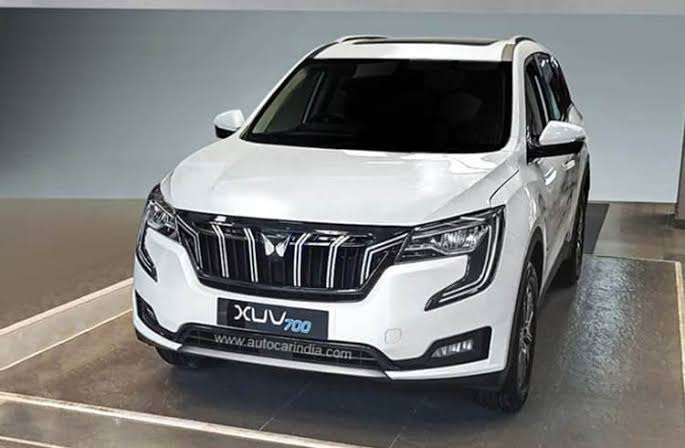
The XUV700 has built a reputation as the car that brought genuinely advanced driver assistance technology to a mainstream Indian price point, and it backs that up with serious engine performance.
- Its Level 2 ADAS suite — including adaptive cruise control, lane-keep assist, and automatic emergency braking — remains one of the most comprehensive in this segment, a genuine differentiator even against costlier rivals.
- The diesel engine option delivers strong power and torque figures, making it one of the more genuinely quick and capable SUVs in this comparison, particularly appreciated on highway stretches and while overtaking.
- Both 5-seater and 7-seater configurations are available, giving buyers flexibility depending on whether they need occasional third-row seating or prefer the extra boot space of the 5-seater layout.
- Where it falls short: waiting periods on popular variants have historically run longer than some rivals, and the third row, while usable, suits shorter trips or children more comfortably than adults on long journeys.
- The XUV700 suits buyers who specifically want cutting-edge safety technology combined with genuine engine performance, and who are willing to plan around potential delivery timelines for the most sought-after variants.
2. Tata Harrier: The Road-Presence and Safety Specialist
The Harrier continues Tata’s strategy of leading with crash safety credentials, wrapped in one of the more commanding road presences available in this bracket.
- Its strong safety rating and Tata’s broader safety-first brand positioning give the Harrier particular appeal among buyers who research crash test data carefully before deciding.
- The SUV’s wide stance and bold styling give it genuine road presence, making it stand out visually against more conservatively styled rivals in the same price range.
- Cabin quality and touch points have improved significantly across recent updates, narrowing the gap against pricier rivals in terms of perceived interior quality.
- Where it falls short: it’s offered exclusively with a diesel engine, ruling it out for buyers who specifically want a petrol option, and rear-seat third-row availability isn’t part of the core Harrier lineup the way it is with some direct competitors.
- The Harrier suits buyers who prioritize outright road presence and safety credentials, and who are comfortable committing to diesel as their only powertrain choice.
3. Toyota Innova Crysta: The Proven, Reliable Family MUV
Even as SUVs dominate this bracket, the Innova Crysta continues to hold a devoted following built on decades of reputation for reliability, resale value, and genuinely practical multi-row seating.
- Toyota’s reputation for long-term reliability and low ownership hassle remains a significant draw, particularly for buyers who’ve owned or been around Innovas before and trust the brand’s track record implicitly.
- The Crysta’s resale value is consistently among the strongest in the Indian market across any segment, a direct result of sustained demand from both private buyers and the commercial taxi and tour operator segment.
- Genuine 7 or 8-seater configurations with usable, comfortable second and third rows make it one of the most practical choices here for families who regularly travel with more than five people over longer distances.
- Where it falls short: styling feels more utilitarian than some SUV rivals, and it lacks the advanced driver assistance technology that newer competitors like the XUV700 offer as a headline feature.
- The Innova Crysta suits buyers who prioritize proven reliability, strong resale value, and genuine multi-row comfort over cutting-edge technology or bold styling.
4. Hyundai Alcazar: The Premium Three-Row Comfort Choice
The Alcazar positions itself specifically as a more premium, comfort-focused three-row SUV, built on the same underlying platform strengths that have made the Creta so popular a segment below.
- Its captain seats option in the second row (on select variants) gives individual passengers genuine comfort and easy access to the third row, a thoughtful touch that many rivals in this bracket don’t offer.
- The cabin feels distinctly upscale, carrying forward Hyundai’s strength in interior design and touch quality that has helped the Creta succeed a price bracket lower.
- Both petrol and diesel engines are available, giving buyers flexibility to choose based on their specific driving pattern and mileage expectations.
- Where it falls short: the third row, while more usable than in some compact rivals, is still best suited to shorter journeys or smaller passengers rather than long highway trips with full occupancy.
- The Alcazar suits buyers who want a genuinely comfortable, well-appointed three-row SUV without stepping into the larger, more utilitarian footprint of something like the Innova Crysta.
5. Mahindra Thar: The Off-Road and Lifestyle Choice
The Thar occupies a completely different niche from everything else on this list — it’s less about maximizing practicality and more about delivering genuine off-road capability and an unmistakable lifestyle statement.
- Its genuine 4×4 capability makes it one of the few vehicles in this entire price bracket that can credibly handle serious off-road terrain, not just rough city roads or light gravel tracks.
- The Thar’s distinctive, rugged styling has built a genuinely devoted following among buyers who want their vehicle to double as a weekend adventure companion rather than purely daily-use family transport.
- Both petrol and diesel engines are offered, along with manual and automatic transmission choices, giving buyers some flexibility despite the vehicle’s specialized character.
- Where it falls short: practicality takes a clear back seat here — it seats only four in most configurations, boot space is limited, and the ride is noticeably firmer than the more family-oriented SUVs on this list, reflecting its off-road-focused engineering.
- The Thar suits buyers who specifically want off-road capability and lifestyle appeal as a primary consideration, rather than those whose main need is maximizing daily practicality or family seating capacity.
How to Choose Between These Five
With five vehicles serving genuinely different purposes at this budget, matching the choice to your actual lifestyle matters more here than at any lower bracket.
- If cutting-edge safety technology and strong engine performance are your priority, the Mahindra XUV700 delivers the most comprehensive package in this comparison.
- If road presence and Tata’s safety-first reputation matter most, and diesel suits your driving pattern, the Tata Harrier remains a strong, distinctive choice.
- If proven long-term reliability and resale value are non-negotiable, especially for a large family, the Toyota Innova Crysta continues to justify its premium over newer rivals.
- If you want a genuinely comfortable, premium three-row SUV without the Innova’s utilitarian character, the Hyundai Alcazar strikes the right balance.
- If off-road capability and a distinctive lifestyle statement matter more than maximum practicality, the Mahindra Thar is the clear and only real choice on this list.
Practical Buying Tips for This Price Range
A few considerations become especially important once you’re spending this much, given how significantly the total cost of ownership can vary between these options.
- Factor in your state’s specific road tax slab before finalizing a budget, since several states apply a noticeably higher percentage once ex-showroom price crosses certain thresholds common in this bracket, meaningfully affecting your actual on-road cost.
- If considering a genuine 7-seater like the Innova Crysta or Alcazar, test the third row with actual adult passengers, since spec-sheet seating capacity often overstates real comfort for longer journeys.
- Check waiting periods carefully for high-demand variants, particularly popular XUV700 configurations, since delivery timelines can genuinely affect your decision if you need the vehicle within a specific window.
- Compare diesel-only options like the Harrier against petrol-diesel choice rivals based on your actual annual mileage, since diesel’s efficiency advantage only pays off with genuinely high usage, particularly highway-heavy driving.
- If off-roading is a genuine consideration rather than aspirational, test drive the Thar on actual rough terrain, not just tarmac, since its core value proposition only makes sense if you’ll genuinely use that capability.
Frequently Asked Questions
Q1. Is the Mahindra XUV700’s ADAS technology genuinely reliable in Indian road and traffic conditions, or does it struggle with unpredictable traffic?
The system performs well on highways and structured traffic conditions, though like most ADAS systems globally, it can be less consistently reliable in dense, unpredictable Indian city traffic with frequent lane changes and unmarked road behavior, so it’s best treated as a genuine safety aid and highway comfort feature rather than something to depend on completely in chaotic urban conditions.
Q2. Between the Toyota Innova Crysta and Hyundai Alcazar, which makes more sense for a family that occasionally needs the third row but mostly drives with five people?
The Alcazar likely suits this pattern better, since its more compact footprint and car-like driving dynamics make daily five-seat use more pleasant, while still offering the third row for occasional larger trips, whereas the Innova Crysta’s larger size and more utilitarian character pay off more clearly for families who genuinely need seven-seat capacity on a regular basis.
Q3. Does the Mahindra Thar make sense as a primary family car, or is it better suited as a second vehicle?
For most families, the Thar works best as a second vehicle or a specific lifestyle purchase rather than a primary daily driver, given its limited seating capacity, smaller boot, and firmer ride compared to purpose-built family SUVs, so buyers considering it as their only car should honestly assess whether its practicality trade-offs fit their actual daily needs.
Q4. How much does diesel maintenance cost compared to petrol for SUVs in this price bracket over a typical ownership period?
Diesel engines generally involve somewhat higher routine service costs due to more complex fuel injection systems and emission control components, but this is usually offset by diesel’s better fuel efficiency for high-mileage users, so the total cost comparison really depends on your annual driving distance — high-mileage highway drivers typically come out ahead with diesel despite the higher service costs, while lower-mileage or city-focused drivers often find petrol more economical overall.