
Push the budget up by just one lakh from six to seven, and the Indian car market opens up in a way that surprises most first-time shoppers — suddenly a compact SUV, a proper sedan, and even a crossover with a touch of premium styling all become genuinely within reach. That extra ₹1 lakh headroom is exactly why this bracket has become one of the most competitive in Indian auto retail as of September 2026, with manufacturers packing in features, safety tech, and body styles that were simply unavailable at this price point just a few years ago. For buyers upgrading from a two-wheeler, families needing their first real car, or anyone comparing a cab-friendly sedan against a stylish crossover, ₹7 lakh is where the real decision-making begins.
This guide breaks down the five strongest options currently available under ₹7 lakh ex-showroom, chosen for what they actually deliver on the road rather than just how they read on a spec sheet.
Quick Comparison: Top 5 Cars Under 7 Lakh
| Car | Starting Price (Ex-Showroom) | Body Type | Engine | Claimed Mileage | Best For |
| Tata Punch | ₹5.75 Lakh | Micro SUV | 1199cc Petrol | ~19-20 kmpl | SUV stance, safety, light off-road use |
| Maruti Suzuki Dzire | ₹6.31 Lakh | Compact Sedan | 1197cc Petrol | ~24-25 kmpl | Cab drivers, boot space, resale value |
| Hyundai Exter | ₹5.81 Lakh | Crossover SUV | 1197cc Petrol/CNG | ~19-20 kmpl | Style-conscious SUV buyers |
| Maruti Suzuki Fronx | ₹6.85 Lakh | Crossover Hatchback | 998-1197cc Petrol | ~20-22 kmpl | Design-forward buyers, turbo option |
| Tata Altroz | ₹6.00 Lakh | Premium Hatchback | 1199-1497cc Petrol/Diesel | ~17-20 kmpl | Safety-first buyers, diesel option |
Prices are starting ex-showroom figures for the base variant and vary by city and ongoing offers. On-road price typically adds ₹65,000 to ₹95,000 depending on your state’s RTO charges and insurance premium.
Why 7 Lakh Is a Meaningfully Different Bracket Than 6 Lakh
That extra lakh of budget genuinely changes what’s on offer, and it’s worth understanding why before jumping into specific models.
- This is the price point where compact sedans re-enter the conversation, giving buyers who specifically need a proper boot (for business use, cab driving, or simply personal preference over a hatchback) real options they didn’t have a lakh lower.
- It’s also where crossover styling becomes accessible — cars that blend hatchback practicality with SUV-inspired design cues, appealing to buyers who want their car to look more substantial without stepping into true compact SUV pricing.
- Several manufacturers use this bracket to offer their turbo-petrol or diesel variants at the lower end of that engine option’s pricing, giving performance-conscious buyers a taste of stronger engines without jumping a full price segment.
- Safety continues to improve here too, with more cars in this bracket carrying strong Global NCAP ratings as standard across variants, rather than only on top-spec trims.
1. Tata Punch: Still the Micro-SUV Benchmark
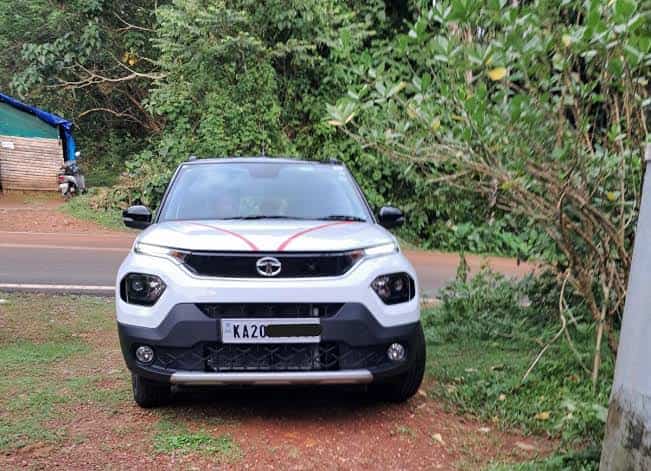
The Punch carries over as one of the strongest picks in this bracket too, and at this budget, buyers can access slightly higher variants than what ₹6 lakh alone would allow.
- Its raised ground clearance and boxy, upright stance continue to give it a road presence that no hatchback in this range can match, making it a favorite for buyers who want SUV looks without SUV pricing.
- The Punch’s Global NCAP safety rating remains a strong selling point, and the extra budget headroom here means buyers can step into variants with a more complete features list than the absolute base trim.
- Cabin space and rear headroom benefit from the tall-boy design, giving genuinely usable rear seat comfort for a car in this size class.
- Where it falls short: boot space remains modest compared to sedans like the Dzire, and the ride, while capable, isn’t as smooth on the highway as some rivals with a longer wheelbase.
- The Punch continues to suit city drivers and those dealing with poor road conditions or monsoon waterlogging, where the extra ground clearance pays off daily.
2. Maruti Suzuki Dzire: The Sedan Choice for Practical Buyers
For buyers who specifically want a sedan — whether for status, boot space, or cab and taxi aggregator use — the Dzire remains the most trusted name in this exact price bracket.
- The Dzire’s biggest practical advantage is its large, genuinely usable boot, a real point of difference for anyone regularly carrying luggage, tools, or business equipment that a hatchback’s smaller opening can’t accommodate as easily.
- Fuel efficiency is among the best in this entire bracket, helped by Maruti’s lightweight engineering and refined petrol engine, making it a strong pick for high-mileage users including cab drivers.
- Resale value for the Dzire has historically been excellent, partly driven by consistent demand from the commercial taxi segment, which keeps used values relatively stable.
- Where it falls short: rear seat headroom can feel tighter for taller passengers compared to the boxier Punch or Exter, given the sedan’s lower roofline.
- The Dzire is the clear pick for buyers who need a sedan specifically — whether for professional driving work, client-facing use, or simply a personal preference for a three-box body style.
3. Hyundai Exter: The Style-Forward Crossover SUV
Hyundai’s Exter brings genuine SUV-inspired design language into this price bracket, appealing to buyers who want their car to visually stand out.
- The Exter’s styling — distinctive LED lighting elements, a confident stance, and SUV-like proportions — gives it a more premium road presence than its price tag might suggest.
- A factory CNG variant is available, a meaningful advantage for buyers wanting to control running costs without sacrificing the car’s SUV-styled appeal.
- Feature availability across variants tends to be generous for the price, with connected car technology and a well-equipped touchscreen system showing up even in mid-range trims.
- Where it falls short: outright cabin space trails behind the Punch despite the similar body style, and some buyers find the ride slightly firmer over rough patches.
- The Exter suits buyers prioritizing design and street presence within a genuinely practical, efficient package, particularly those cross-shopping it directly against the Punch on looks alone.
4. Maruti Suzuki Fronx: The Design-Led Crossover Hatchback
The Fronx has carved out its own space by blending hatchback efficiency with genuinely distinctive, almost coupe-like styling, and it edges into this bracket at the upper end.
- Its design is a clear departure from Maruti’s typically conservative styling, featuring a sloping roofline and sharp character lines that give it a more youthful, design-conscious appeal.
- A turbo-petrol engine option is available as you move up the trim ladder, offering noticeably stronger performance than the naturally aspirated engines common in this price bracket.
- Build quality and interior fit-and-finish carry Maruti’s typical reliability reputation, giving buyers confidence in long-term ownership costs.
- Where it falls short: the base variants needed to stay under ₹7 lakh come with the standard naturally aspirated engine rather than the more exciting turbo option, and rear visibility suffers somewhat due to the sloping roofline design.
- The Fronx is best suited to younger, design-conscious buyers willing to prioritize styling and driving character over outright practicality or maximum cabin space.
5. Tata Altroz: The Safety-First Premium Hatchback
The Altroz brings Tata’s strong safety reputation into a premium hatchback body, and it’s one of the few cars in this bracket to offer a diesel engine option.
- Its Global NCAP safety credentials remain among the strongest in the hatchback segment, appealing directly to safety-conscious families and first-time buyers who’ve researched crash test ratings before shopping.
- The diesel engine variant is a genuine differentiator in this price bracket, appealing specifically to buyers with high monthly mileage who want diesel’s typically better fuel economy on long drives.
- Interior quality and touch points feel a notch above typical budget hatchbacks, reflecting Tata’s push toward a more premium in-cabin experience across its lineup.
- Where it falls short: the naturally aspirated petrol engine, while adequate, isn’t the most refined or powerful in its class, and the diesel variant’s price sits toward the higher end of this ₹7 lakh bracket.
- The Altroz suits buyers who prioritize safety ratings and interior quality above all else, particularly those considering the diesel option for genuinely high annual mileage.
How to Choose Between These Five
With five distinctly different body styles and priorities represented here, the decision genuinely comes down to matching the car to your specific use case.
- If you want SUV stance and proven safety at the most accessible price, the Tata Punch remains the strongest all-round pick in this bracket.
- If you specifically need a sedan’s boot space, whether for personal or commercial use, the Maruti Suzuki Dzire is the clear, well-established choice.
- If styling and SUV-inspired design matter most, alongside CNG flexibility, the Hyundai Exter delivers strong visual appeal with practical running cost benefits.
- If you want the most distinctive, design-forward option and are open to a turbo engine at higher trims, the Maruti Suzuki Fronx stands apart from the rest of this list.
- If safety ratings and interior quality are non-negotiable, with diesel as a bonus for high-mileage driving, the Tata Altroz is worth prioritizing over the others.
Practical Buying Tips for This Price Range
A few considerations specific to this bracket genuinely affect satisfaction after the purchase, beyond just picking the right model.
- Confirm which variant actually fits your budget before falling in love with a trim level, since several of these cars’ more feature-rich variants — particularly the Fronx’s turbo option and the Altroz diesel — push toward or past the ₹7 lakh ceiling once on-road costs are added.
- Compare the actual boot space and rear seat room in person, not just on a spec sheet, since the difference between the Dzire’s sedan boot and the Punch’s compact hatch-style boot matters enormously depending on your actual use case.
- If considering CNG, check the factory-fitted option specifically rather than an aftermarket retrofit, since factory CNG kits from Hyundai and others typically come with better safety certification and don’t void the manufacturer warranty the way aftermarket kits can.
- Take a highway test drive, not just a city loop, particularly if you’re deciding between the Punch’s taller stance and the Dzire or Altroz’s lower center of gravity, since high-speed stability differs meaningfully between these body styles.
- Check current exchange and finance offers carefully, since manufacturers frequently run scheme-based discounts in this bracket that can shift the effective on-road price by a noticeable margin month to month.
Frequently Asked Questions
Q1. Is it worth choosing a diesel variant like the Altroz’s if I mostly drive within the city rather than long highway trips?
Probably not — diesel engines generally show their fuel efficiency advantage on longer, steady-speed highway runs, while city driving with frequent stop-start traffic tends to erode much of that benefit, so a petrol variant usually makes more financial sense unless your monthly mileage is genuinely high and mostly highway-based.
Q2. Between a compact SUV like the Punch or Exter and a sedan like the Dzire, which holds resale value better after 4-5 years?
Both categories have historically held reasonable resale value in India, but SUVs and crossovers have generally trended toward stronger demand in the used car market in recent years given the broader shift in buyer preference toward that body style, though a Dzire specifically benefits from consistent commercial taxi demand that keeps its used market unusually stable regardless of broader SUV trends.
Q3. Does the turbo-petrol Fronx variant make sense if I can stretch my budget slightly above 7 lakh?
If performance and a more engaging drive genuinely matter to you, yes — the turbo engine offers noticeably stronger acceleration than the standard naturally aspirated option, but if your priority is simply reliable daily transportation without spirited driving in mind, the base engine is more than adequate and keeps you comfortably within this budget bracket.
Q4. How do I decide between CNG and petrol when a factory option like the Exter’s is available in this range?
This largely comes down to your daily driving distance and local CNG station availability — if you drive over roughly 1,000-1,500 km a month and have convenient access to CNG filling stations, the fuel savings typically justify the slightly higher upfront cost within a couple of years, but for lower mileage or areas with sparse CNG infrastructure, sticking with petrol avoids the inconvenience of planning refueling stops around station availability.