
Six lakh rupees is the sweet spot where India’s compact car market gets genuinely competitive — cross below this line and you’re mostly choosing between stripped-down base variants, but stay right at this ceiling and you can walk into a showroom with a 5-star safety rating, a proper touchscreen, and in one case, an actual SUV silhouette. As of September 2026, the segment has matured enough that “cheap” no longer means “basic” the way it did even five years ago, with Tata, Maruti Suzuki, and Hyundai all fighting hard for first-time buyers, small families upgrading from a two-wheeler, and anyone looking for a reliable second car that won’t strain a tight monthly budget.
This list narrows down the five strongest options currently available under ₹6 lakh ex-showroom, based on what each car actually delivers in terms of space, safety, running costs, and long-term ownership experience rather than just headline pricing.
Quick Comparison: Top 5 Cars Under 6 Lakh
| Car | Starting Price (Ex-Showroom) | Body Type | Engine | Claimed Mileage | Best For |
| Tata Punch | ₹5.75 Lakh | Micro SUV | 1199cc Petrol | ~19-20 kmpl | SUV stance, safety, city + light off-road use |
| Maruti Suzuki Swift | ₹5.84 Lakh | Hatchback | 1197cc Petrol | ~24-25 kmpl | Resale value, fuel efficiency, low service cost |
| Maruti Suzuki Baleno | ₹5.99 Lakh | Premium Hatchback | 1197cc Petrol | ~22-23 kmpl | Cabin space, features, mature ride feel |
| Tata Tiago | ₹4.77 Lakh | Hatchback | 1199cc Petrol/CNG | ~20 kmpl (petrol) | Maximum value, CNG option, build quality |
| Hyundai Grand i10 Nios | ₹5.60 Lakh | Hatchback | 1197cc Petrol | ~20-21 kmpl | Refinement, dealer network, feature list |
Prices are starting ex-showroom figures for the base variant and will vary slightly by city and ongoing offers. On-road price typically adds another ₹60,000 to ₹90,000 depending on your state’s RTO charges and insurance premium.
Why This Price Bracket Matters So Much in India
Before getting into the individual cars, it’s worth understanding why ₹6 lakh specifically functions as such a meaningful threshold in the Indian car market.
- This range sits right at the upper edge of what most first-time car buyers, particularly those financing through a loan with a modest down payment, can comfortably manage in EMIs without overextending their monthly budget.
- It’s also the price band where Global NCAP safety ratings have become a genuine differentiator, since several manufacturers have specifically engineered base structures in this segment to meet stronger crash safety standards following years of criticism that budget Indian cars were unsafe by international standards.
- Feature parity with more expensive cars has improved considerably here too — touchscreen infotainment, rear parking sensors, and even connected car features that were once reserved for premium trims now show up in mid-variants under ₹6 lakh.
- For many buyers, this bracket also represents the difference between a first car bought on a tight budget and a practical second car for a household that already owns a larger vehicle, which shifts what actually matters most in the decision — some prioritize running costs, others prioritize cabin space or badge value.
1. Tata Punch: The SUV-Styled Favorite
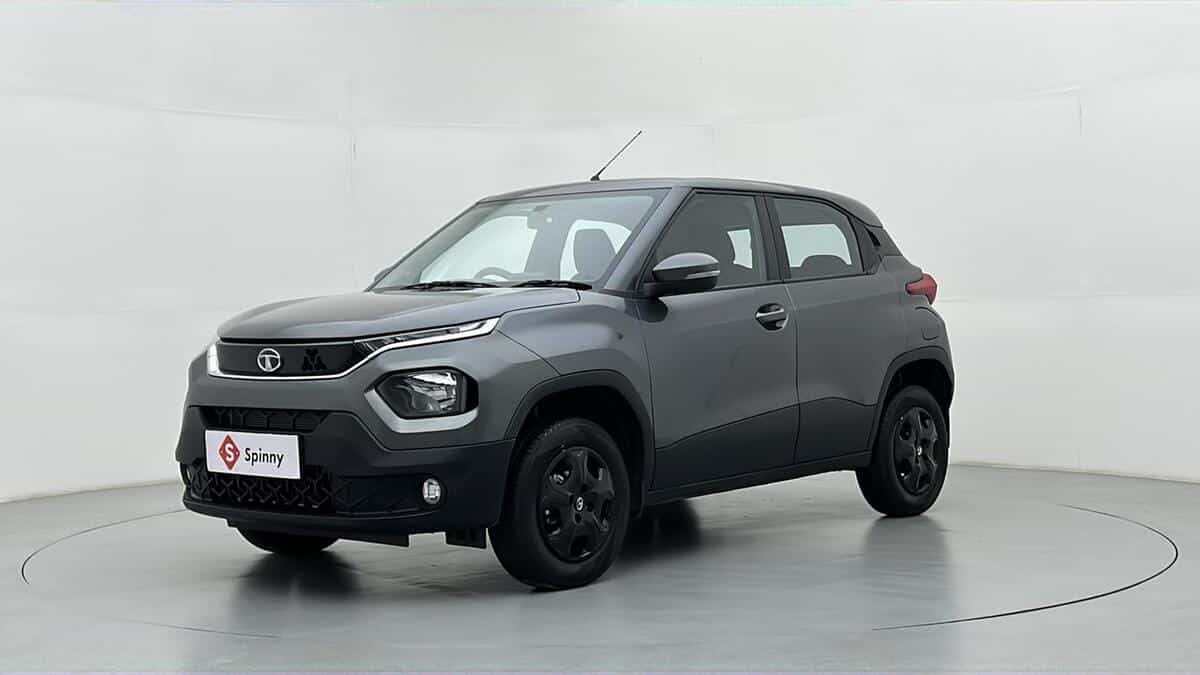
The Punch has become the default recommendation for buyers who want something that looks and feels more substantial than a typical entry-level hatchback, without stepping outside this budget.
- Its raised ground clearance and tall-boy stance give it a genuine micro-SUV presence on the road, something no other car in this specific price bracket currently matches.
- The Punch earned a strong Global NCAP safety rating on its base structure, a significant selling point for family buyers who’ve grown more safety-conscious in recent years.
- Cabin space and rear headroom are noticeably better than most hatchbacks in this range, largely a byproduct of the taller body design.
- Where it falls short: boot space is on the smaller side compared to some hatchback rivals, and the base trims skip a few convenience features — such as certain infotainment functions — that competitors include even in their lower variants.
- The Punch is particularly well suited to buyers in cities with poor road quality or frequent speed breakers, where the extra ground clearance genuinely improves the daily driving experience.
2. Maruti Suzuki Swift: The Safe, Familiar Choice
For buyers who prioritize predictability over novelty, the Swift remains one of the most consistently recommended cars in Indian budget motoring, and the current generation continues that legacy.
- Maruti Suzuki’s dealer and service network is genuinely unmatched across India, including in smaller towns and semi-urban areas where other brands may have limited service centre coverage.
- The newer-generation 1.2-litre engine delivers some of the best fuel efficiency figures in this entire price bracket, a meaningful consideration for anyone doing significant daily driving.
- Resale value has historically been one of the Swift’s strongest attributes, since Maruti’s brand trust and parts availability keep used Swifts in consistent demand across the country.
- Where it falls short: the styling, while updated, is less distinctive than the Punch’s SUV-inspired look, and rear seat space is merely average rather than a standout strength.
- The Swift makes the most sense for buyers who see a car primarily as reliable transportation rather than a style statement, and who value knowing exactly what kind of ownership experience they’re signing up for.
3. Maruti Suzuki Baleno: The Premium Hatchback Pick
Sitting right at the ₹6 lakh ceiling, the Baleno positions itself as the more grown-up, feature-rich option for buyers willing to spend right up to their budget limit.
- The cabin feels noticeably more spacious and mature than the Swift’s, reflecting Baleno’s positioning as a step above in Maruti’s own hatchback lineup.
- Even mid-range variants come with a longer features list than most competitors offer at a similar price, including a more comprehensive touchscreen system and additional convenience features.
- Build quality and interior fit-and-finish are generally regarded as a step ahead of typical budget hatchbacks, giving the Baleno a feel that punches above its actual price point.
- Where it falls short: top variants, particularly those with the automatic transmission option, push well past the ₹6 lakh mark, meaning buyers strictly capped at this budget will need to stick to lower trims and miss out on some of the car’s more appealing features.
- The Baleno suits buyers who see this purchase as a meaningful upgrade moment and are willing to stretch their budget right to the edge for a car that feels a size class above its price tag.
4. Tata Tiago: The Value Leader
For buyers whose primary concern is squeezing the most car for the least money, the Tiago consistently delivers the widest gap between price and what’s actually included.
- Starting well below the other cars on this list, the Tiago leaves genuine budget headroom even in reasonably well-equipped variants, making it attractive for buyers who want to spend conservatively.
- Tata’s build quality and crash safety scores across its lineup have been a consistent strength in recent years, and the Tiago benefits from the same engineering approach that’s earned the brand strong safety reputation.
- A factory-fitted CNG variant is available, a significant advantage for buyers in cities with good CNG infrastructure who want to minimize fuel costs over the car’s ownership life.
- Where it falls short: the ride can feel slightly firmer than some rivals, particularly over rough patches, and the cabin design leans more functional than plush compared to the Baleno’s more premium feel.
- The Tiago is the strongest pick for buyers who are genuinely budget-conscious first and foremost, especially those planning to run the car on CNG for daily commuting.
5. Hyundai Grand i10 Nios: The Refined All-Rounder
Hyundai’s entry point into this budget bracket brings a level of refinement and features that’s traditionally been associated with pricier segments, making it a compelling option for buyers loyal to the brand or drawn to its dealer network.
- The engine and overall ride quality feel noticeably refined, with Hyundai’s typical attention to noise, vibration, and harshness reduction showing even at this price point.
- Hyundai’s dealer network, while not as extensive as Maruti’s in India’s smallest towns, remains strong across most cities and offers a comparable service experience.
- The features list, even in mid-variants, often includes options that rivals reserve for higher trims elsewhere in this bracket, giving buyers a sense of getting more for their money on the technology front.
- Where it falls short: boot space and rear legroom trail behind both the Swift and Baleno, making it a slightly less practical choice for families regularly carrying passengers and luggage together.
- The Grand i10 Nios suits buyers who specifically value Hyundai’s brand reputation and refinement, and who are comfortable prioritizing driving comfort and features over outright cabin space.
How to Choose Between These Five
With five genuinely competitive options in the same narrow price bracket, the right choice comes down to matching the car’s specific strengths to what actually matters most in daily use.
- If safety and SUV-like presence matter most, the Tata Punch’s Global NCAP rating and raised stance make it the clearest choice, particularly for buyers dealing with rough roads or frequent speed breakers.
- If low running costs and easy resale are the priority, the Maruti Suzuki Swift’s fuel efficiency and Maruti’s dealer network give it a practical edge that’s hard to match.
- If cabin space and a premium-feeling interior matter more than saving every last rupee, the Baleno justifies stretching the budget close to the full ₹6 lakh ceiling.
- If maximizing value and minimizing fuel costs over time is the goal, especially with CNG as an option, the Tata Tiago delivers the most car for the least upfront spend.
- If refinement, ride comfort, and a feature-rich cabin matter most, the Hyundai Grand i10 Nios brings a driving experience that feels a notch above its price bracket.
Practical Buying Tips for This Price Range
Beyond just picking a model, a few practical considerations genuinely affect how satisfied buyers end up with their purchase in this specific budget bracket.
- Always budget for on-road price, not just ex-showroom — RTO registration, insurance, and applicable cess can add ₹60,000 to ₹90,000 or more depending on the state, which meaningfully changes what’s actually affordable within a fixed total budget.
- Compare insurance premiums across insurers before finalizing, since first-year comprehensive insurance costs can vary significantly and directly affect the total on-road price you’ll actually pay.
- Check for ongoing manufacturer discounts and exchange bonuses, since these frequently shift month to month and can meaningfully change the effective price of any car on this list.
- Take a proper test drive over rough roads, not just a smooth showroom loop, since ride quality differences between these cars become far more apparent on the kind of uneven roads most buyers actually drive on daily.
- Factor in service costs over the ownership period, not just the purchase price, since some brands’ spare parts and labor costs run noticeably higher than others despite similar upfront pricing.
Frequently Asked Questions
Q1. Is it worth waiting for the automatic transmission variant of these cars if it pushes me over 6 lakh?
It depends on your daily driving pattern — if you deal with heavy stop-and-go traffic regularly, the comfort of an automatic can be worth stretching the budget for, but if most of your driving is on relatively open roads, a well-driven manual in this bracket offers better fuel efficiency and a lower purchase price without a meaningful downside.
Q2. How much does the CNG variant of the Tiago actually save compared to running it on petrol?
Running costs on CNG are typically significantly lower per kilometer than petrol given the price difference between the two fuels, though the exact savings depend on your local CNG price and how much you drive, so it’s worth calculating based on your actual monthly kilometers before deciding if the CNG variant’s slightly higher upfront cost pays off quickly for your usage pattern.
Q3. Should I prioritize the car with the highest claimed mileage figure, or does real-world mileage differ significantly?
Real-world mileage across all five of these cars typically runs somewhat below the claimed figures, particularly in city driving with frequent stops, so it’s more useful to compare the cars’ relative mileage difference to each other rather than taking any single claimed number as what you’ll actually get in daily use.
Q4. Is a used or slightly older model of a higher-segment car a better option than buying new in this price bracket?
It depends on your priorities — a used car from a segment above can sometimes offer more features or a larger cabin for similar money, but you lose the manufacturer warranty and the certainty of a fresh vehicle history, so this trade-off makes sense mainly for buyers comfortable evaluating a used car’s condition carefully and who value space or features over the peace of mind a new car purchase provides.