
Ten lakh rupees marks the point where Indian car buyers stop compromising and start genuinely choosing — this is the budget where compact SUVs with real road presence, family-friendly MPVs with three rows of seating, and sedans with proper highway manners all become realistic options rather than aspirational ones. As of September 2026, this bracket has become the single most fiercely contested segment in the Indian auto market, with nearly every major manufacturer fielding at least one serious contender, which makes the decision genuinely harder even as it gives buyers more of exactly what they want.
This guide narrows down the five strongest picks currently available under ₹10 lakh ex-showroom, chosen specifically to represent the different priorities buyers in this bracket typically have — safety, family space, brand trust, and fuel-cost efficiency.
Quick Comparison: Top 5 Cars Under 10 Lakh
| Car | Starting Price (Ex-Showroom) | Body Type | Engine | Claimed Mileage | Best For |
| Tata Nexon | ₹7.40 Lakh | Compact SUV | 1199-1497cc Petrol/Diesel | ~17-24 kmpl | Safety-focused buyers |
| Maruti Suzuki Brezza | ₹7.40 Lakh | Compact SUV | 998-1462cc Petrol/CNG | ~18-27 kmpl | Balanced, dependable SUV |
| Hyundai Venue | ₹8.00 Lakh | Compact SUV | 998-1493cc Petrol/Diesel | ~18-19 kmpl | Feature-rich, turbo performance |
| Maruti Suzuki Ertiga | ₹8.90 Lakh | 7-Seater MPV | 1462cc Petrol/CNG | ~20 kmpl | Larger families |
| Maruti Suzuki Dzire | ₹6.31 Lakh | Compact Sedan | 1197cc Petrol/CNG | ~24-25 kmpl | Sedan buyers, cab use |
Prices are starting ex-showroom figures for the base variant and vary by city and ongoing offers. On-road price typically adds ₹80,000 to ₹1.2 lakh depending on your state’s RTO charges and insurance premium.
Why 10 Lakh Is Where Real Choice Begins
This particular budget bracket represents a genuine turning point in what Indian buyers can access, and understanding why helps explain the specific picks that follow.
- This is the price point where compact SUVs become fully loaded rather than stripped-down, with top variants offering sunroofs, larger touchscreens, advanced driver assistance features, and turbo-petrol engines that simply aren’t available a couple of lakh lower.
- It’s also where 7-seater MPVs enter serious consideration, giving larger families or those who frequently travel in groups a genuinely practical option instead of squeezing into a 5-seater.
- Diesel engines become more widely available across this bracket, appealing specifically to buyers with high monthly mileage who want better long-run fuel economy than petrol offers.
- Safety continues to be a major differentiator here, with several models in this range carrying strong Global NCAP or Bharat NCAP ratings even in their mid-range variants, not just flagship trims.
1. Tata Nexon: The Safety Benchmark in Compact SUVs
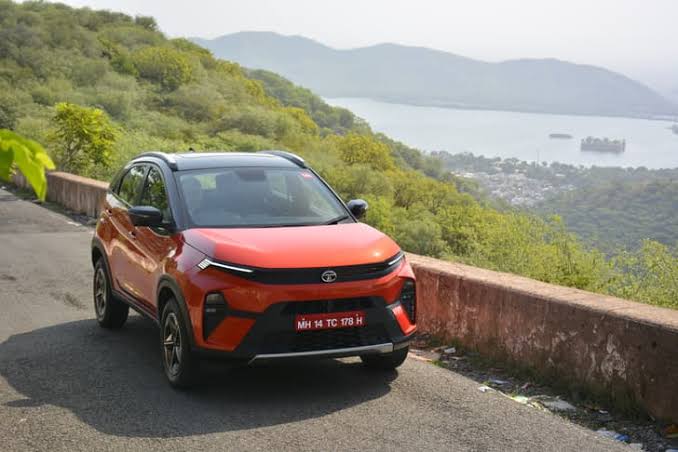
The Nexon has built its reputation almost entirely on crash safety credentials, and it remains one of the most trusted names for buyers who research safety ratings before anything else.
- The Nexon consistently ranks among the safest cars in its segment, having earned strong crash test ratings that continue to anchor Tata’s broader safety-first brand positioning.
- Both petrol and diesel engine options are available, giving buyers flexibility depending on their typical driving pattern and monthly mileage.
- The cabin feels solidly built with good material quality, and the touchscreen infotainment system across mid and top variants is genuinely competitive with pricier rivals.
- Where it falls short: rear seat space, while adequate, isn’t class-leading compared to some rivals, and the ride can feel slightly firm on rough city roads at lower speeds.
- The Nexon suits buyers who prioritize crash safety above almost everything else and want a compact SUV that feels genuinely substantial rather than just tall.
2. Maruti Suzuki Brezza: The Dependable All-Rounder
The Brezza continues to be one of India’s best-selling compact SUVs, and its appeal comes from consistently getting the fundamentals right rather than chasing any single standout feature.
- Maruti’s unmatched service network across India, including smaller towns, remains a genuine practical advantage that’s difficult for any competitor to fully replicate.
- Fuel efficiency figures are strong for the segment, particularly in the CNG variant, making it an appealing choice for buyers watching running costs closely over a multi-year ownership period.
- The Brezza’s resale value has historically been among the strongest in its class, a direct benefit of Maruti’s brand trust and widespread parts availability.
- Where it falls short: it doesn’t offer a diesel engine option, which rules it out for buyers who specifically want that choice, and its road presence is slightly less dramatic than some styling-forward rivals.
- The Brezza is the safest bet for buyers who want a hassle-free ownership experience with minimal surprises, prioritizing long-term reliability and resale value over outright excitement.
3. Hyundai Venue: The Feature-Loaded Performer
The Venue brings a genuinely engaging driving experience into this bracket, particularly through its turbo-petrol engine option, alongside a features list that punches above its price point.
- The turbo-petrol variant offers noticeably stronger performance than most naturally aspirated rivals in this bracket, appealing to buyers who want a bit more driving enjoyment from their daily car.
- Feature availability is a genuine strength, with connected car technology, a comprehensive touchscreen system, and various convenience features showing up generously across the range.
- A diesel engine option is also available, giving the Venue one of the broadest powertrain choices in this specific price bracket.
- Where it falls short: cabin space, particularly in the rear, trails behind some rivals given the Venue’s slightly more compact footprint, and the ride quality leans firmer than outright plush.
- The Venue suits buyers who want a more spirited driving experience and a comprehensive features list, and who are willing to trade some outright cabin space for that combination.
4. Maruti Suzuki Ertiga: The Practical Family MPV
For buyers with larger families or those who regularly travel in groups, the Ertiga remains the most sensible and proven 7-seater option in this exact budget bracket.
- Its genuine three-row seating makes it one of the few realistic 7-seater options under ₹10 lakh, filling a need that compact SUVs simply can’t match regardless of how spacious they feel.
- The CNG variant is a significant advantage for families doing high monthly mileage, given how much running costs matter when a vehicle is used for regular family trips, school runs, and longer journeys.
- Maruti’s dealer network advantage applies here too, giving families confidence in easy servicing and parts availability wherever they might be traveling.
- Where it falls short: the third row is best suited to children or shorter adults on longer trips, and boot space shrinks considerably when all three rows are in use.
- The Ertiga is the clear choice for buyers whose primary need is genuinely carrying more than five people regularly, rather than occasionally.
5. Maruti Suzuki Dzire: The Sedan That Still Makes Sense at 10 Lakh
Even within a bracket dominated by SUVs, the Dzire earns its place for buyers who specifically want or need a sedan, and the extra budget headroom here allows access to well-equipped variants.
- The Dzire’s large, genuinely usable boot remains one of its strongest practical advantages, particularly valuable for anyone regularly carrying luggage or using the car for business purposes.
- Fuel efficiency remains among the best in this comparison, helped by Maruti’s lightweight engineering, making it especially attractive for high-mileage drivers including those using it for cab or taxi work.
- At this budget, buyers can access higher trims with more complete feature sets than what a strict ₹7 lakh budget alone would allow.
- Where it falls short: it lacks the SUV-inspired road presence and higher seating position that dominates buyer preference in this bracket currently, and rear headroom is more limited given the sedan’s lower roofline.
- The Dzire suits buyers who have a specific, practical reason to prefer a sedan — boot space, professional driving use, or simply personal preference — over the SUV body style that otherwise dominates this list.
How to Choose Between These Five
With five cars representing genuinely different priorities, the right choice depends entirely on what matters most for your specific situation.
- If crash safety is your top, non-negotiable priority, the Tata Nexon’s strong safety credentials make it the clearest choice in this comparison.
- If you want the safest bet for long-term reliability and resale value with minimal fuss, the Maruti Suzuki Brezza consistently delivers on the fundamentals.
- If you want a more engaging drive and a comprehensive features list, the Hyundai Venue’s turbo-petrol option and generous tech make it stand out.
- If your family genuinely needs to seat more than five people regularly, the Maruti Suzuki Ertiga is the only sensible choice on this list.
- If you specifically want or need a sedan’s boot space and driving character, the Maruti Suzuki Dzire remains a smart, practical pick even within an SUV-dominated bracket.
Practical Buying Tips for This Price Range
A few considerations specific to this bracket genuinely shape how satisfied buyers are with their purchase over time, beyond just picking the right model.
- Decide between petrol, diesel, and CNG based on your actual annual mileage, since diesel typically only pays off its higher upfront cost over genuinely high mileage, while CNG suits steady, predictable daily driving with reliable station access nearby.
- Test the turbo-petrol variants specifically if performance matters to you, since the difference in driving character between naturally aspirated and turbocharged engines in this bracket is significant enough to genuinely change the ownership experience.
- If considering the Ertiga or any MPV, sit in the actual third row before deciding, since third-row comfort varies more than spec sheets suggest, and this is the one area where a quick test drive genuinely changes buyer perception.
- Compare insurance premiums carefully across these models, since SUVs in this bracket, particularly those with turbo engines, can carry noticeably higher insurance costs than a comparably priced sedan like the Dzire.
- Check whether advanced driver assistance features are standard or optional on your preferred variant, since several manufacturers reserve features like adaptive cruise control or blind-spot monitoring for higher trims that can push the total price meaningfully above the base figure.
Frequently Asked Questions
Q1. Is it worth paying extra for a turbo-petrol engine like the Hyundai Venue offers, or is the naturally aspirated version sufficient for most buyers?
For typical daily city driving, the naturally aspirated engine is genuinely sufficient and often more fuel-efficient in stop-start traffic, so the turbo option makes the most sense specifically for buyers who value quicker acceleration and more spirited highway driving, rather than as a default upgrade everyone should chase.
Q2. How much more does a 7-seater MPV like the Ertiga cost to maintain compared to a 5-seater compact SUV in this bracket?
Routine maintenance costs are broadly comparable between the two body styles since both use similarly sized engines, though the Ertiga’s larger body and additional seating hardware can mean marginally higher costs for certain repairs, while its strong CNG option often offsets this difference through lower fuel expenses over the ownership period.
Q3. Between a compact SUV and a sedan like the Dzire at this exact budget, which is the smarter long-term financial choice?
It depends on your specific use case more than pure financial logic — the Dzire typically holds strong resale value and offers better fuel efficiency, making it financially sound for high-mileage or business use, while compact SUVs in this bracket have seen stronger recent demand growth in the used car market, so if resale timing coincides with continued SUV popularity, that body style may hold value comparably well despite the higher initial running costs.
Q4. Should I wait for a diesel variant if my preferred model doesn’t offer one at this exact price point, like the Maruti Brezza?
Only if diesel genuinely fits your driving pattern — if you’re covering high monthly mileage, predominantly on highways, the fuel efficiency advantage of diesel can justify choosing a different model that offers it, like the Nexon or Venue, but for buyers with more moderate or city-focused mileage, sticking with the Brezza’s efficient petrol or CNG options usually makes more practical financial sense than waiting or switching models purely to access diesel.