
Step up from a basic commuter budget to ₹1.5 lakh, and Indian motorcycling genuinely changes character — this is where dual-channel ABS becomes standard rather than a luxury, where 160cc engines deliver real overtaking power on highways, and where a rider can walk into a showroom and pick between sharp street-fighter styling, genuine touring comfort, or even a Royal Enfield’s unmistakable retro presence. As of September 2026, this bracket has become the segment where India’s growing appetite for performance-oriented, feature-rich two-wheelers is most visible, appealing to riders upgrading from their first commuter bike and wanting something that feels genuinely exciting to ride, not just efficient to own.
This guide picks out the five strongest options currently available under ₹1.5 lakh, chosen to represent the different riding personalities this bracket now genuinely supports.
Quick Comparison: Top 5 Bikes Under 1.5 Lakh
| Bike | Ex-Showroom Price (Approx.) | Type | Engine | Claimed Mileage | Best For |
| Bajaj Pulsar N160 | ₹1.16-1.33 Lakh | Street Naked | 164.82cc | ~45-50 kmpl | All-round balance, value |
| TVS Apache RTR 160 4V | ₹1.15-1.25 Lakh | Sporty Streetfighter | 159.7cc | ~40-47 kmpl | Performance, handling |
| Yamaha FZ-S Fi V4 | ₹1.14-1.20 Lakh | Muscular Commuter | 149cc | ~47-52 kmpl | Styling, refinement |
| Royal Enfield Hunter 350 | ₹1.38 Lakh | Retro Roadster | 349cc | ~36 kmpl | Character, touring comfort |
| Hero Xtreme 160R 4V | ₹1.22-1.34 Lakh | Naked Streetfighter | 163cc | ~45-50 kmpl | Value-for-money performance |
Prices are approximate ex-showroom figures and vary by variant and city. On-road price typically adds ₹15,000 to ₹25,000 depending on your state’s RTO charges and insurance premium.
What ₹1.5 Lakh Genuinely Unlocks in This Segment
This budget represents a meaningful step up from the entry-level commuter bracket, and understanding exactly what changes helps explain why these five bikes stand out.
- Dual-channel ABS becomes far more common at this price point, a genuine safety upgrade over the single-channel systems typical of cheaper commuters, offering better control during hard braking on both wheels.
- Engine displacement typically jumps into the 150-165cc range, delivering noticeably stronger acceleration and highway overtaking capability compared to the 100-125cc engines dominant in the sub-₹1 lakh bracket.
- This is also where genuine styling differentiation becomes possible — street-fighter naked bikes, retro roadsters, and sporty commuters all carve out distinct visual identities rather than looking like variations of the same basic template.
- USD (upside-down) front forks, once reserved for premium sports bikes, now appear on select variants in this bracket, offering better ride quality and handling feedback than conventional telescopic forks.
1. Bajaj Pulsar N160: The Smart All-Rounder
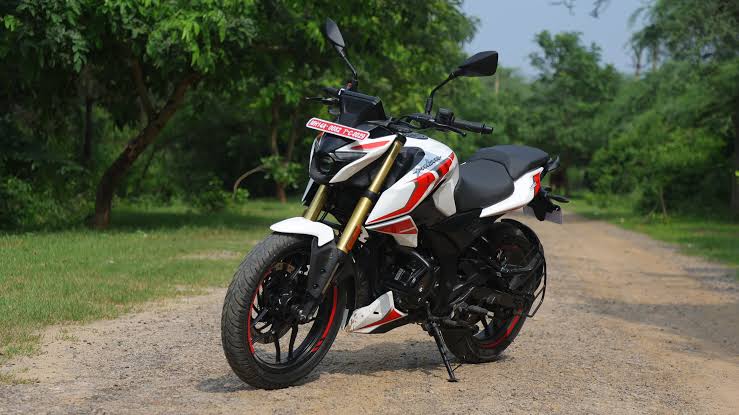
The Pulsar N160 has quickly established itself as the bike most reviewers point to when asked for a single, sensible recommendation in this entire bracket.
- It offers dual-channel ABS as a genuine safety highlight, alongside the largest fuel tank in its segment at 14 litres, meaning fewer refueling stops on longer rides.
- The engine delivers a refined, tractable power delivery, making it genuinely enjoyable both for daily city commuting and for occasional weekend highway runs without feeling out of its depth in either scenario.
- A light clutch and slick gearbox make it noticeably easy to ride in heavy traffic, an underrated but genuinely important quality for anyone using this bike primarily for daily city commuting.
- Where it falls short: styling, while sharp, is more understated than some rivals’ more aggressive design language, and higher variants with USD forks push toward the upper end of this budget bracket.
- The Pulsar N160 suits buyers who want a single bike that handles both daily commuting and occasional spirited rides well, without needing to compromise heavily on either front.
2. TVS Apache RTR 160 4V: The Performance and Handling Specialist
For riders who specifically prioritize handling precision and a more engaged riding experience, the Apache RTR 160 4V remains one of the most respected names in this bracket.
- Its chassis and suspension tuning are widely regarded as genuinely sharper and more confidence-inspiring through corners than most rivals at this price point, reflecting TVS’s racing-derived engineering approach.
- The bike delivers strong power output relative to its displacement, giving it a genuinely lively, engaging character that appeals to riders who want their commute to feel exciting rather than purely functional.
- Full LED lighting and a digital instrument console are standard, giving it a modern, premium feel that matches its performance-oriented positioning.
- Where it falls short: outright fuel efficiency trails behind some of the more commuter-focused rivals on this list, reflecting its more performance-tuned engine character.
- The Apache RTR 160 4V suits riders who specifically prioritize handling and a spirited riding experience, particularly those with some experience who’ll genuinely appreciate the sharper dynamics over pure efficiency.
3. Yamaha FZ-S Fi V4: The Style and Refinement Choice
The FZ-S has built a loyal following in India through its distinctive muscular styling and Yamaha’s reputation for engine refinement, and the current generation continues that tradition.
- Its muscular, streetfighter-inspired design remains one of the most visually distinctive in this bracket, giving it strong street presence without needing a larger, pricier engine.
- Yamaha’s engines are widely regarded as among the smoothest and most refined in this class, delivering a genuinely pleasant riding experience whether in stop-start traffic or sustained highway cruising.
- The bike offers a comfortable, upright riding position that suits both daily commuting and longer rides without the more committed, sporty ergonomics of something like the Apache.
- Where it falls short: power output is more modest compared to the Pulsar N160 or Apache RTR 160, prioritizing smooth refinement over outright performance.
- The FZ-S Fi V4 suits buyers who prioritize styling and engine smoothness, and who value a comfortable daily-riding experience over chasing the sharpest handling or highest power figures in this bracket.
4. Royal Enfield Hunter 350: The Character and Touring Choice
The Hunter 350 brings something genuinely different to this comparison — Royal Enfield’s unmistakable retro character and a larger 349cc engine, appealing to riders who want their bike to feel distinctly different from typical commuter-class options.
- Its 349cc engine delivers a fundamentally different riding character than the 150-165cc bikes on this list, with a torquey, relaxed power delivery that many riders find genuinely more satisfying for longer rides and highway cruising.
- Royal Enfield’s brand identity and retro-roadster styling carry strong cultural cachet in India, appealing to riders who want their bike to make more of a statement than typical commuter or street-fighter designs.
- The riding position and seat comfort are generally well-suited to longer touring distances, making it a genuinely more comfortable choice for riders planning extended highway trips or weekend getaways.
- Where it falls short: fuel efficiency is noticeably lower than every other bike on this list given its larger engine, and at this price point, it sits toward the very top of the ₹1.5 lakh bracket with fewer variant options remaining within budget.
- The Hunter 350 suits riders who specifically want a different riding character and brand identity from typical commuter-class bikes, particularly those planning longer rides where the larger engine’s relaxed torque genuinely pays off.
5. Hero Xtreme 160R 4V: The Value-Focused Streetfighter
Hero’s Xtreme 160R has carved out a strong reputation for delivering genuinely engaging, lightweight performance at a price that consistently undercuts some direct rivals.
- The bike is noted for being lightweight and quick in traffic, giving it a genuinely playful, nimble character that makes daily commuting through congested city traffic feel less tiring.
- Its recent update brought sharper styling and more comprehensive features, closing the gap against pricier rivals in terms of perceived quality and equipment.
- Pricing generally sits toward the more accessible end of this bracket, making it an appealing choice for buyers who want street-fighter styling and decent performance without stretching all the way to the top of their ₹1.5 lakh budget.
- Where it falls short: Hero’s performance-bike heritage is less established than TVS or Bajaj’s in this specific category, and long-term resale value for performance-oriented Hero models has historically been less predictable than for their commuter lineup.
- The Xtreme 160R 4V suits budget-conscious buyers who still want genuine street-fighter styling and lively performance, without needing to stretch to the priciest options in this comparison.
How to Choose Between These Five
With five bikes representing genuinely different riding personalities, the right choice comes down to matching the bike to how you’ll actually use it.
- If you want one bike that handles both daily commuting and occasional spirited rides equally well, the Bajaj Pulsar N160’s balanced character makes it the safest, most versatile pick.
- If handling precision and an engaging ride matter most to you, the TVS Apache RTR 160 4V’s sharper dynamics stand out clearly from the rest of this list.
- If styling and engine refinement are your priority for daily comfort, the Yamaha FZ-S Fi V4 delivers a genuinely smooth, pleasant riding experience.
- If you want a fundamentally different riding character with strong brand identity, especially for longer rides, the Royal Enfield Hunter 350 is the clear choice, provided you’re comfortable with its higher running costs.
- If budget efficiency alongside genuine street-fighter styling matters most, the Hero Xtreme 160R 4V offers strong value without sacrificing performance character.
Practical Buying Tips for This Price Range
A few considerations genuinely matter at this budget level, given the wider spread of engine sizes and riding characters involved.
- Decide your primary use case before comparing specific models — a bike optimized for daily city commuting (like the FZ-S or Pulsar N160) rides very differently from one optimized for touring comfort (like the Hunter 350), and matching this to your actual riding pattern matters more than chasing the highest spec sheet numbers.
- Factor in insurance costs specifically for performance-oriented models, since sportier bikes and larger-displacement options like the Hunter 350 typically carry higher premiums than pure commuter-focused bikes.
- Test ride on your actual daily route, including traffic conditions, since lightweight, nimble bikes like the Xtreme 160R feel genuinely different in dense traffic compared to the Hunter 350’s more relaxed, larger-engine character.
- Check variant-specific features carefully, since ABS type (single versus dual-channel), suspension type (conventional versus USD forks), and instrument cluster all vary meaningfully across trims within the same model name.
- Budget for higher running costs if choosing the Hunter 350, given its notably lower mileage compared to the other four bikes, and factor this into your total cost of ownership rather than just the upfront price.
Frequently Asked Questions
Q1. Is the extra engine displacement of the Royal Enfield Hunter 350 actually worth the lower fuel efficiency compared to the 150-165cc bikes on this list?
It depends entirely on what you’re looking for — if you specifically want that distinctive Royal Enfield riding character, relaxed torque, and touring comfort, the lower mileage is a reasonable trade-off many owners accept willingly, but if fuel efficiency and running costs are a bigger priority than character and brand identity, one of the smaller-displacement bikes on this list will serve you better financially.
Q2. How much does dual-channel ABS actually matter compared to single-channel for everyday city riding?
Dual-channel ABS provides more balanced, controlled braking across both wheels, particularly valuable during sudden hard braking or on wet, low-traction surfaces, making it a genuine safety upgrade worth prioritizing if it’s available within your budget, though single-channel ABS still offers meaningful protection over having no ABS at all.
Q3. Between the TVS Apache RTR 160 4V and Bajaj Pulsar N160, which one is better suited for a rider upgrading from their first commuter bike?
The Pulsar N160 is generally the gentler, more forgiving transition for someone moving up from a basic commuter, given its more balanced, tractable power delivery, while the Apache RTR 160 4V’s sharper handling and livelier character reward riders who already have some confidence and want a more spirited, engaging experience from day one.
Q4. Do bikes in this bracket require more expensive or specialized servicing compared to sub-1 lakh commuters?
Generally, routine servicing costs for these bikes remain reasonable and comparable to commuter-class bikes for the first few years, though performance-oriented models with more advanced suspension components (like USD forks) or larger engines (like the Hunter 350) can see slightly higher costs for specific wear items and specialized parts over time, so it’s worth asking your dealer about typical service costs for your specific shortlisted model before finalizing.