
Onions and potatoes are pantry staples in most Indian households. They are used in countless recipes, from curries and soups to snacks and side dishes. Since these vegetables are often purchased in bulk to save time and money, proper storage is essential to keep them fresh for as long as possible. Incorrect storage can cause onions to become soft or moldy and potatoes to sprout, turn green, or spoil quickly. By following a few simple storage techniques, you can significantly extend their shelf life and reduce food waste.
In this guide, you’ll learn the best ways to store onions and potatoes, common mistakes to avoid, and practical tips for maintaining their quality.
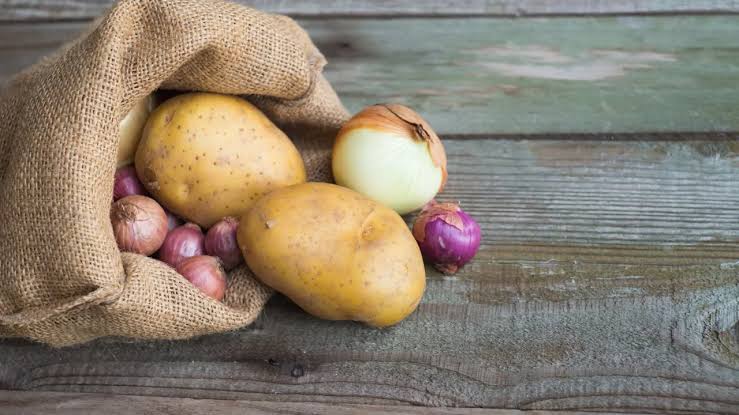
Why Proper Storage Matters
Both onions and potatoes continue to change after harvest. Temperature, humidity, light, and air circulation all affect how long they remain fresh. Poor storage conditions can lead to:
- Early sprouting
- Mold growth
- Softening
- Rotting
- Loss of flavor and texture
- Increased food waste
Choosing the right storage environment helps preserve their freshness and quality for several weeks or even months.
How to Store Onions
1. Choose Good-Quality Onions
Storage starts with selecting healthy onions.
Look for onions that are:
- Firm and dry
- Free from bruises or cuts
- Covered with dry, papery outer skin
- Free from mold or soft spots
Avoid onions that feel damp, have green shoots, or show signs of decay.
2. Store in a Cool, Dry Place
Whole onions stay fresh longest when stored in a cool, dry, and well-ventilated location.
An ideal storage area should be:
- Away from direct sunlight
- Dry with low humidity
- Well ventilated
- At a cool room temperature
Avoid storing onions near heat sources such as stoves or ovens.
3. Ensure Good Air Circulation
Onions need proper airflow to prevent moisture buildup.
Store them in:
- Mesh bags
- Wire baskets
- Bamboo baskets
- Open crates
Avoid sealing onions in plastic bags, as trapped moisture encourages mold and spoilage.
4. Keep Away from Moisture
Moisture is one of the biggest causes of onion spoilage.
Never wash onions before storing them. If they become wet, dry them thoroughly before placing them back into storage.
How to Store Potatoes
1. Select Fresh Potatoes
Choose potatoes that are:
- Firm
- Smooth-skinned
- Free from cuts or bruises
- Without green patches
- Not already sprouting
Damaged potatoes spoil more quickly and can affect nearby potatoes.
2. Store in a Dark Location
Light exposure causes potatoes to produce chlorophyll, turning them green. Green potatoes may also contain increased levels of naturally occurring glycoalkaloids, compounds that can be harmful if consumed in large amounts.
Store potatoes in:
- A dark pantry
- A cupboard
- A storage bin with ventilation
Avoid leaving them on kitchen counters exposed to sunlight.
3. Keep Them Cool
Potatoes generally stay fresh longer in a cool environment.
However, avoid storing raw potatoes in the refrigerator. Very cold temperatures can convert some of their starch into sugar, which may affect their taste and texture when cooked.
A cool pantry or cellar-like space is usually a better option.
4. Provide Airflow
Like onions, potatoes need proper ventilation.
Store them in:
- Paper bags
- Mesh bags
- Open baskets
- Wooden crates
Avoid airtight plastic containers that trap moisture.
Do Not Store Onions and Potatoes Together
One of the most common storage mistakes is keeping onions and potatoes in the same basket.
Although convenient, this can shorten the shelf life of both vegetables.
Onions release moisture and gases that may encourage potatoes to sprout more quickly. Likewise, potatoes can create a humid environment that speeds up onion spoilage.
For the best results, always store onions and potatoes separately.
Check Regularly
Inspect stored onions and potatoes every week.
Remove any vegetables showing signs of:
- Soft spots
- Mold
- Sprouting
- Rot
- Unpleasant odor
One spoiled onion or potato can affect the others nearby, so regular inspection helps prevent larger losses.
What to Do with Sprouted Potatoes
If potatoes have developed small sprouts but remain firm and free of green patches, you can usually remove the sprouts and use them promptly. However, potatoes that are extensively sprouted, shriveled, or green should be discarded, as they may contain higher levels of naturally occurring toxins.
Storing Cut Onions and Potatoes
Cut Onions
After cutting an onion:
- Store it in an airtight container.
- Refrigerate immediately.
- Use within 5–7 days.
Keeping the container sealed helps reduce odor transfer to other foods.
Peeled or Cut Potatoes
Store peeled or cut potatoes submerged in clean water in the refrigerator.
Use them within 24 hours for the best quality.
Change the water if necessary and cook them as soon as possible.
Common Storage Mistakes to Avoid
To extend freshness, avoid these common errors:
- Storing onions in sealed plastic bags.
- Refrigerating whole onions unnecessarily.
- Keeping potatoes in direct sunlight.
- Storing onions and potatoes together.
- Ignoring spoiled vegetables.
- Washing vegetables before storage.
Simple storage habits can make a significant difference in shelf life.
Tips for Longer Storage
Here are a few additional tips:
- Buy only the quantity you can reasonably use.
- Rotate older vegetables to the front so they are used first.
- Keep storage containers clean and dry.
- Avoid overcrowding baskets, allowing air to circulate freely.
- Store vegetables away from fruits such as apples and bananas, which release ethylene gas that can speed up aging in some produce.
Conclusion
Proper storage of onions and potatoes helps preserve their freshness, flavor, and cooking quality while reducing food waste. Store onions in a cool, dry, well-ventilated place and keep potatoes in a cool, dark location with good airflow. Avoid storing them together, protect them from excess moisture and sunlight, and inspect them regularly for signs of spoilage. With these simple yet effective storage practices, you can enjoy fresh onions and potatoes for a much longer time, making your kitchen more efficient and your grocery budget go further.