
A nutritious breakfast can play an important role in supporting a healthy lifestyle, especially if you’re working toward weight loss. While no single meal can guarantee weight loss, starting your day with a high-protein breakfast may help you feel full for longer, reduce unnecessary snacking, and support muscle maintenance when combined with regular physical activity and a balanced diet. Protein is one of the most satisfying nutrients, making it an excellent choice for people looking to manage their calorie intake without feeling hungry soon after eating.
The good news is that preparing a high-protein breakfast at home is simple and doesn’t require expensive ingredients. With a little planning, you can create delicious, balanced meals that provide protein, fiber, healthy fats, and essential vitamins to keep you energized throughout the morning.
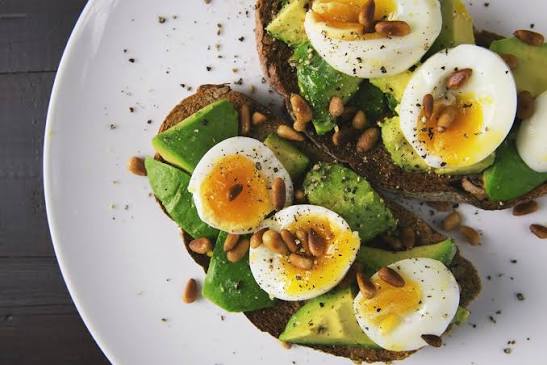
Why Is Protein Important for Weight Loss?
Protein plays several important roles in the body. It helps build and repair muscles, supports the production of enzymes and hormones, and contributes to overall health. For people trying to lose weight, protein has additional benefits because it is generally more filling than refined carbohydrates.
A high-protein breakfast may help:
- Increase feelings of fullness
- Reduce mid-morning hunger
- Support muscle maintenance during weight loss
- Provide steady energy throughout the morning
- Help reduce unnecessary snacking
For the best results, pair protein with fiber-rich foods such as fruits, vegetables, oats, or whole grains.
Best Protein-Rich Foods for Breakfast
Many everyday foods are naturally high in protein and can be included in breakfast.
Some excellent options include:
- Eggs
- Greek yogurt
- Cottage cheese or paneer
- Milk
- Lentils (dal)
- Chickpeas
- Moong sprouts
- Tofu
- Peanut butter (in moderation)
- Nuts and seeds
- Oats
- Soy products
Using a variety of these foods helps create balanced and flavorful meals.
High-Protein Breakfast Ideas
1. Vegetable Omelette with Whole-Grain Toast
Eggs are one of the most convenient sources of high-quality protein.
Add vegetables such as:
- Spinach
- Tomatoes
- Onions
- Bell peppers
- Mushrooms
Serve with whole-grain toast for added fiber and sustained energy.
2. Greek Yogurt with Fruits and Nuts
Plain Greek yogurt contains significantly more protein than regular yogurt.
Top it with:
- Fresh berries
- Banana slices
- Apple pieces
- Chia seeds
- Almonds
- Walnuts
This combination provides protein, fiber, healthy fats, and natural sweetness.
3. Moong Dal Chilla
Moong dal chilla is a popular Indian breakfast made from soaked and blended green gram.
Enhance the nutrition by adding:
- Grated carrots
- Spinach
- Coriander
- Paneer stuffing
Serve with mint chutney or plain yogurt.
4. Paneer Bhurji
Paneer is rich in protein and pairs well with vegetables.
Prepare paneer bhurji using:
- Tomatoes
- Onions
- Capsicum
- Turmeric
- Cumin
- Coriander leaves
Enjoy it with whole wheat roti or multigrain toast.
5. Overnight Oats
Combine rolled oats with:
- Milk or unsweetened yogurt
- Chia seeds
- Nuts
- Fresh fruits
Prepare it the night before for a quick and convenient breakfast.
Although oats are not extremely high in protein, combining them with dairy and seeds increases the overall protein content.
6. Sprout Salad
Moong sprouts are rich in plant-based protein and dietary fiber.
Mix sprouts with:
- Cucumber
- Tomatoes
- Onions
- Lemon juice
- Fresh coriander
This light yet filling breakfast is refreshing and nutrient-dense.
7. Tofu Scramble
For a vegan option, tofu scramble is an excellent alternative to scrambled eggs.
Cook crumbled tofu with:
- Turmeric
- Tomatoes
- Spinach
- Peppers
- Onions
Serve with whole-grain bread or millet roti.
Tips for Building a Balanced Breakfast
A healthy breakfast should contain more than just protein.
Aim to include:
- A protein source
- Whole grains or complex carbohydrates
- Fruits or vegetables
- Healthy fats in moderate amounts
This combination helps provide long-lasting energy and balanced nutrition.
Portion Control Matters
Even healthy foods can contribute excess calories if eaten in very large portions.
Pay attention to serving sizes, especially for calorie-dense foods such as:
- Nuts
- Peanut butter
- Cheese
- Oils
Using moderate portions supports a balanced eating pattern.
Stay Hydrated
Hydration is another important part of a healthy morning routine.
Start your day with:
- Water
- Plain milk
- Unsweetened tea
- Black coffee (if desired)
Avoid sugar-sweetened beverages, which can add unnecessary calories.
Meal Preparation Tips
Preparing breakfast ingredients in advance can save time on busy mornings.
Helpful ideas include:
- Boiling eggs ahead of time
- Chopping vegetables the night before
- Soaking oats overnight
- Preparing sprouted legumes in advance
- Making homemade paneer in batches
Meal planning makes healthy eating more convenient and sustainable.
Common Mistakes to Avoid
To create a healthier breakfast, avoid these common habits:
- Skipping breakfast if it leads to overeating later.
- Relying only on sugary cereals or pastries.
- Drinking high-sugar beverages with breakfast.
- Eating very little protein.
- Ignoring fruits and vegetables.
Small improvements can make breakfast more satisfying and nutritious.
Can a High-Protein Breakfast Alone Cause Weight Loss?
No. While a protein-rich breakfast can support weight management by increasing fullness and helping preserve muscle mass, weight loss depends on your overall eating pattern, physical activity, sleep, and lifestyle. There is no single food or meal that guarantees weight loss. A balanced diet, regular exercise, and a sustainable calorie intake are the most effective long-term strategies.
Conclusion
A high-protein breakfast is an excellent way to begin the day, especially for those aiming to manage their weight. Foods such as eggs, Greek yogurt, paneer, tofu, sprouts, lentils, and milk provide high-quality protein that can help you stay satisfied and energized throughout the morning. Pairing these protein-rich foods with whole grains, fruits, vegetables, and healthy fats creates a balanced meal that supports overall nutrition. By planning your breakfast carefully and making healthy choices consistently, you can build eating habits that contribute to your long-term health and weight management goals.