
The Delhi-Dehradun journey has been testing the patience of Uttarakhand-bound travelers for decades — a 235-kilometre drive that could take anywhere from five to seven hours depending on the day, the season, and how cooperative the traffic gods were feeling near Muzaffarnagar. The Delhi-Dehradun Expressway changes that equation significantly. Prime Minister Narendra Modi formally inaugurated the 210-kilometre expressway on April 14, 2026, completing a project that had been under construction in phases for several years with partial sections already operational well before the full inauguration.
The expressway is a genuinely ambitious piece of infrastructure — not just because of its length or the three states it connects, but because of what engineers had to do to route it through the Rajaji National Park zone near Dehradun. A 12-kilometre elevated wildlife corridor built above the park’s forest canopy is the expressway’s most distinctive engineering feature and Asia’s longest elevated wildlife corridor, allowing animals — including elephants — to continue using their natural movement corridors beneath the elevated road structure. It is the kind of engineering solution that makes a project genuinely interesting beyond its traffic management function.
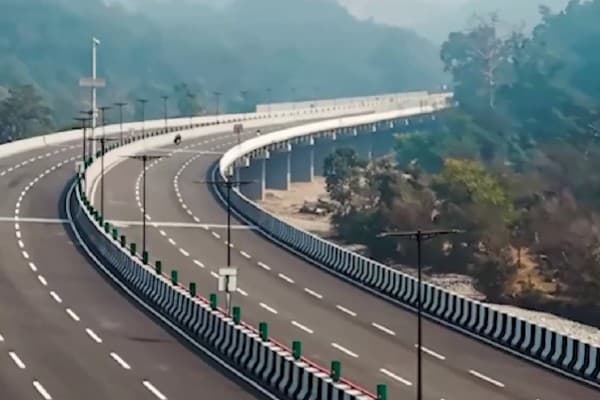
| Detail | Information |
| Name | Delhi-Dehradun Expressway / Delhi-Saharanpur-Dehradun Expressway |
| Current Status | Fully Inaugurated — April 14, 2026 (some amenities still being completed) |
| Route | Akshardham Temple, Delhi → Dehradun, Uttarakhand |
| States Covered | Delhi, Uttar Pradesh, Uttarakhand |
| Total Length | 210 km |
| Key Cities/Areas | Loni, Khekra (Baghpat), Baraut, Shamli, Muzaffarnagar, Saharanpur, Ganeshpur, Asharodi, Dehradun |
| Lanes | 6 lanes (expandable to 8 or 12) |
| Speed Limit | 100 km/h (cars); reduced in wildlife corridor and ghat sections |
| Toll Fee (Cars) | ₹670–675 one-way; approx. ₹1,000 return within 24 hours |
| Toll System | Closed tolling (pay for distance travelled) — FASTag-enabled |
| Toll Plazas | 5 plazas across the corridor |
| Project Cost | Approx. ₹11,963 crore |
| Governing Authority | NHAI |
| Wildlife Feature | 12 km elevated corridor over Rajaji National Park — Asia’s longest |
| Travel Time After Opening | 2.5–3 hours (versus 5–6 hours previously) |
Route and Location
The expressway begins near Akshardham Temple in Delhi and runs northward through Uttar Pradesh covering the districts of Baghpat, Baraut, Shamli, Muzaffarnagar, and Saharanpur before crossing into Uttarakhand and descending toward Dehradun via Ganeshpur and Asharodi. The routing through the Saharanpur belt is a greenfield alignment through agricultural land, while the Dehradun approach navigates the Shivalik foothills terrain that makes this section the most engineering-intensive stretch.
A separate 32-kilometre service road runs parallel to the expressway to handle city traffic in the denser urban approach zones, keeping the main expressway lanes clear of local traffic interference.
Speed Limits and Toll
The 100 km/h speed limit applies across most of the open expressway sections. The wildlife corridor section and the hilly terrain approaching Dehradun carry lower speed restrictions appropriate to their specific conditions. The closed tolling system means users pay only for the distance they actually travel rather than the full expressway length — a user-friendly approach that benefits those making partial journeys between intermediate cities like Saharanpur and Dehradun. For a full Delhi-to-Dehradun run, cars pay approximately ₹670 to ₹675 one-way.
Nearby Areas
Rajaji National Park: The wildlife corridor that passes above this national park is the expressway’s most distinctive feature — the park’s elephant and wildlife population can move freely beneath the elevated structure. Saharanpur: A major UP city along the expressway corridor known for its wood carving industry and as the commercial center of the Saharanpur division. Mussoorie Gateway: The Dehradun end of the expressway opens access toward Mussoorie, Rishikesh, and the Char Dham pilgrimage route — making the time savings significant for the enormous tourist and pilgrimage traffic this corridor carries.
Frequently Asked Questions (FAQs)
Q1. Is Delhi Dehradun Expressway fully operational?
Yes — inaugurated April 14, 2026 by PM Modi. Full 210 km is open. Some roadside amenities like petrol pumps are still being completed.
Q2. What is the toll fee on Delhi Dehradun Expressway?
Approximately ₹670–675 one-way for cars. Return within 24 hours costs around ₹1,000. Closed tolling applies — pay for distance traveled.
Q3. How long does Delhi to Dehradun take on the expressway?
2.5 to 3 hours versus the previous 5 to 6 hours.
Q4. What is the wildlife corridor on this expressway?
A 12 km elevated section above Rajaji National Park — Asia’s longest elevated wildlife corridor — allowing animals to pass freely beneath.
Q5. Which states does Delhi Dehradun Expressway pass through?
Delhi, Uttar Pradesh, and Uttarakhand across its 210 km alignment.