
Top 10 Coldest Places in India 2026 begins with a town that shopkeepers still wrap themselves in fleece for well into mid-morning, even as parts of the country baked at 46°C during May’s heatwave this year. Dras, in Ladakh’s Kargil district, holds the record as India’s coldest inhabited settlement, recording temperatures as low as -60°C in 1995 — a claim that makes it the second-coldest inhabited place on Earth after Siberia’s Oymyakon. From military-only glacial outposts to popular ski resorts, here’s a clear look at India’s most extreme cold-weather destinations this year.
1. Dras, Ladakh
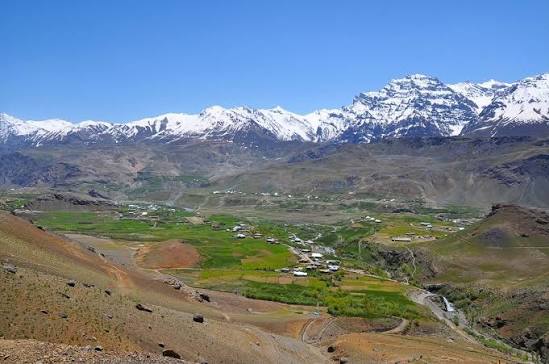
Dras holds the undisputed title of India’s coldest inhabited place, earning the nickname “Gateway to Ladakh” alongside its far grimmer reputation for extreme winter cold.
- Winter temperatures regularly plunge to -45°C, with a recorded historic low of -60°C in 1995
- Best visited between June and September, when temperatures become genuinely tolerable for travellers
- Home to the Dras War Memorial, Tiger Hill, and Ningoor Masjid, all significant sites tied to the region’s Kargil War history
- Represents the second-coldest inhabited place on Earth, trailing only Siberia’s Oymyakon
2. Siachen Glacier, Ladakh
Siachen Glacier stands as India’s coldest location overall, though it remains entirely off-limits to civilian tourists given its status as the world’s highest militarised battlefield.
- Temperatures plummet to between -50°C and -60°C during peak winter months
- Sits at an elevation of 5,753 metres within the northern Karakoram range
- Even summer temperatures hover around -10°C, making it cold year-round regardless of season
- Represents the extreme edge of India’s cold-weather geography, entirely inaccessible outside military operations
3. Leh, Ladakh
Leh stands as India’s coldest major city genuinely open to tourism, offering a rare combination of extreme winter cold and well-developed travel infrastructure.
- Winter temperatures range between -15°C and -28.3°C depending on the specific location and year
- Best visited between April and mid-July for comfortable travel conditions, though winter visits draw those specifically seeking the cold
- Known for its Buddhist monasteries and stark, high-altitude desert landscapes
- Functions as the primary gateway for onward travel into Ladakh’s more remote cold-weather destinations
4. Spiti Valley (Kaza), Himachal Pradesh
Spiti Valley, centred around the town of Kaza, offers a genuinely stark, high-altitude cold desert landscape distinct from the rest of Himachal Pradesh’s greener hill stations.
- Winter temperatures range between -25°C and -30°C, with historic lows reaching -30°C
- Best visited between mid-May and mid-October, when mountain roads remain accessible
- Home to ancient monasteries and remote high-altitude villages that feel genuinely untouched by modern development
- Increasingly popular among travellers specifically seeking offbeat, less-crowded Himalayan cold-weather experiences
5. Tawang, Arunachal Pradesh
Tawang offers Northeast India’s most significant cold-weather destination, combining extreme winter temperatures with deep Buddhist cultural heritage.
- Winter temperatures typically range between -10°C and -15°C
- Best visited between March and October, avoiding the harshest winter conditions on mountain access roads
- Home to Tawang Monastery, one of the largest Buddhist monasteries in India, alongside significant war memorials
- Combines cold-weather travel with genuine cultural and historical depth uncommon among India’s other extreme-cold destinations
6. Sela Pass, Arunachal Pradesh
Sela Pass, often called the “icebox of India,” connects Tawang to Tezpur and Guwahati across a consistently snow-covered high-altitude route.
- Winter temperatures typically drop to around -15°C
- Sits at an elevation of 4,170 metres, making it one of India’s highest and coldest mountain passes
- Experiences year-round cold conditions given its extreme elevation
- Represents a critical, dramatically scenic link between Arunachal Pradesh’s Tawang region and the plains below
7. Gulmarg, Jammu & Kashmir
Gulmarg stands as India’s premier ski resort destination, its heavy winter snowfall making it as much a cold-weather attraction as a genuinely extreme temperature location.
- Winter temperatures typically range between -8°C and -14°C
- Best visited December through February specifically for snow sports, or May through September for trekking
- Home to one of the world’s highest cable car systems, the Gulmarg Gondola
- Combines genuine cold-weather adventure tourism with Kashmir’s broader natural beauty and houseboat culture
8. Rohtang Pass, Himachal Pradesh
Rohtang Pass, near Manali, offers accessible high-altitude cold weather and adventure tourism just a short drive from one of Himachal Pradesh’s most popular hill stations.
- Winter temperatures typically range between -8°C and -12°C, with unexpected snowstorms even outside peak winter
- Popular specifically among adventure tourists seeking snow activities without travelling as far as Ladakh or Spiti
- Offers relatively easy accessibility from Manali, making it a convenient cold-weather day trip
- Known for genuinely unpredictable weather, with sudden snowstorms even during shoulder seasons
9. Srinagar, Jammu & Kashmir
Srinagar combines moderate but genuine winter cold with Kashmir’s broader scenic and cultural attractions, making it one of India’s most visited cold-weather destinations.
- Winter temperatures typically range between -5°C and -8°C, with recent cold waves pushing readings even lower
- Home to Dal Lake and Mughal-era gardens, adding significant cultural and historical appeal
- Recorded a low of -5.1°C during a recent January cold wave, reflecting genuinely severe seasonal conditions
- Offers a more accessible, moderate cold-weather experience compared to Ladakh or Spiti’s more extreme conditions
10. Lachen and Thangu Valley, North Sikkim
Lachen and the neighbouring Thangu Valley round out this list, offering Northeast India’s most striking high-altitude cold-weather village experience.
- Winter temperatures typically drop to around -10°C
- Villages become blanketed in snow during winter, creating a genuinely peaceful, uncrowded retreat
- Offers a distinctly different Himalayan cold-weather experience compared to Ladakh’s stark desert terrain
- Increasingly popular among travellers specifically seeking a quieter, less commercialised winter escape
Frequently Asked Questions
Q1. Which is officially the coldest place in India that tourists can actually visit?
Dras in Ladakh holds that title among accessible destinations, with Siachen Glacier being colder overall but entirely restricted to military personnel.
Q2. What’s the best time to visit India’s coldest places if I want to experience genuine snow and cold?
December through February offers the most reliable snow and extreme cold at destinations like Gulmarg and Rohtang Pass, while Ladakh and Spiti Valley are better visited between May and October when roads remain accessible.
Q3. Is it safe for regular tourists to travel to Dras or Leh during peak winter months?
Many roads to these regions close entirely during peak winter due to extreme cold and snow, so most tourists visit between April and October when travel infrastructure remains operational and safer.
Q4. Why do some places like Srinagar feel much colder than their actual recorded temperature suggests?
Wind chill, humidity, and lack of insulated infrastructure in some areas can make actual temperatures feel considerably harsher than the recorded reading, particularly in valley regions like Srinagar compared to drier high-altitude deserts like Ladakh.