
Fifteen lakh rupees is where the Indian car market genuinely starts to feel premium — this is the budget where panoramic sunroofs, mild-hybrid engines, Level 2 driver assistance systems, and cabins that wouldn’t look out of place in a car costing twice as much all become standard territory rather than exceptions. As of September 2026, this bracket has become the true battleground of the Indian mid-size SUV and sedan wars, with Korean, Japanese, and Indian manufacturers all fighting for the same upgrading buyer — someone who’s likely owned a car before and now wants genuine comfort, safety, and technology rather than just basic transportation.
This guide picks out the five strongest options currently available under ₹15 lakh ex-showroom, chosen to represent the different priorities that matter most to buyers stepping into this more mature segment of the market.
Quick Comparison: Top 5 Cars Under 15 Lakh
| Car | Starting Price (Ex-Showroom) | Body Type | Engine | Claimed Mileage | Best For |
| Hyundai Creta | ₹10.91 Lakh | Mid-size SUV | 1482-1497cc Petrol/Diesel | ~17-18 kmpl | Family default, resale value |
| Kia Seltos | ₹11.00 Lakh | Mid-size SUV | 1482-1497cc Petrol/Diesel | ~17-18 kmpl | Premium cabin, city automatic |
| Maruti Suzuki Grand Vitara | ₹11.61 Lakh | Mid-size SUV | 1462cc Mild-Hybrid Petrol | ~21-27 kmpl | Fuel efficiency, low running cost |
| Honda City | ₹11.82 Lakh | Sedan | 1498cc Petrol | ~17-18 kmpl | Rear seat comfort, ADAS in a sedan |
| Tata Curvv | ₹9.99 Lakh | SUV Coupe | 1199cc Turbo-Petrol/Diesel | ~19-24 kmpl | Distinctive styling, sunroof |
Prices are starting ex-showroom figures for the base variant and vary by city and ongoing offers. On-road price typically adds ₹1.1 lakh to ₹1.6 lakh depending on your state’s RTO charges and insurance premium, which rise proportionally with vehicle value at this level.
Why 15 Lakh Represents a Genuine Step Up
This bracket isn’t just a bigger number than the ones below it — it fundamentally changes what buyers can expect from their car, and understanding that shift helps frame the choices ahead.
- This is the price point where mild-hybrid and strong-hybrid technology starts appearing meaningfully, giving buyers genuine fuel efficiency gains without stepping into a full electric vehicle’s charging infrastructure concerns.
- Advanced Driver Assistance Systems (ADAS) — features like adaptive cruise control, lane-keep assist, and automatic emergency braking — become available on select variants in this range, technology that was exclusively found in luxury cars just a few years ago.
- Cabin quality and sound insulation take a noticeable step up here, with manufacturers investing more in noise, vibration, and harshness reduction to justify the higher price bracket against buyers cross-shopping used luxury cars.
- This is also where the mid-size SUV segment fully dominates buyer preference in India, though strong sedan and distinctive coupe-SUV alternatives remain genuinely worth considering for buyers with specific needs.
1. Hyundai Creta: The Default Family SUV Choice
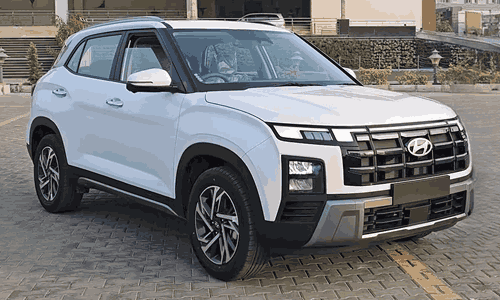
The Creta has held its position as India’s benchmark mid-size SUV for years, and it continues to earn that reputation through consistent, well-rounded execution rather than any single standout feature.
- The Creta’s panoramic sunroof and plush ride quality give it a genuinely premium feel that resonates strongly with Indian family buyers who prioritize comfort on both city and highway drives.
- Both petrol and diesel engines are available, along with a broad range of transmission choices, giving buyers flexibility to match the car to their specific driving pattern.
- Resale value remains one of the Creta’s strongest practical advantages, backed by Hyundai’s strong brand trust and the sheer volume of Cretas already on Indian roads supporting parts availability and buyer confidence.
- Where it falls short: the interior design, while functional, feels less distinctive than some newer rivals, and top-spec ADAS features are reserved for higher trims that push closer to the ₹15 lakh ceiling.
- The Creta remains the safest, most broadly appealing choice for buyers who want a proven, comfortable family SUV without wanting to research every alternative in detail.
2. Kia Seltos: The Premium Cabin Specialist
Built on the same underlying platform as the Creta, the Seltos differentiates itself primarily through cabin design and a notably smooth automatic transmission experience.
- The Seltos’s cabin design and material quality are widely regarded as a step above the Creta’s, giving it a genuinely premium feel that appeals to design-conscious buyers.
- Its automatic transmission, particularly the iVT variant, delivers one of the smoothest city driving experiences in this entire comparison, making stop-and-go traffic noticeably less tiring.
- Feature generosity across trims tends to be strong, with a comprehensive touchscreen system and connected car technology available even before reaching the top-spec variants.
- Where it falls short: it shares many mechanical fundamentals with the Creta, so buyers specifically seeking mechanical differentiation rather than just styling and cabin differences may find the two cars more similar under the skin than expected.
- The Seltos suits buyers who specifically value interior design and a refined automatic driving experience, and who are willing to pay a similar price to the Creta for that particular emphasis.
3. Maruti Suzuki Grand Vitara: The Efficiency Champion
For buyers who prioritize running costs above almost everything else, the Grand Vitara’s mild-hybrid technology delivers a genuine fuel efficiency advantage that’s difficult for rivals in this bracket to match.
- The mild-hybrid petrol engine returns notably higher mileage figures than the naturally aspirated or turbo-petrol engines used by most rivals in this comparison, translating to real savings over a multi-year ownership period.
- Maruti’s dealer network advantage applies at this price point too, offering buyers confidence in easy servicing and parts availability, a genuine consideration even for buyers spending closer to ₹15 lakh.
- Six airbags are standard across the range, reflecting a broader industry shift toward making core safety features non-negotiable rather than reserved for top trims.
- Where it falls short: outright performance feels more subdued compared to the Creta or Seltos’s stronger engine options, and the interior, while solid, doesn’t quite match the Seltos’s premium feel.
- The Grand Vitara is the clear pick for buyers who see this as a long-term ownership decision and want to minimize fuel costs without sacrificing core safety and reliability.
4. Honda City: The Sedan That Refuses to Be Ignored
Even in an SUV-dominated bracket, the Honda City continues to justify its place through genuinely class-leading rear seat comfort and a features list that includes technology rarely found in sedans at this price.
- The City offers Level 2 ADAS in select variants, a genuine rarity among sedans in this price bracket and a meaningful safety differentiator for buyers specifically comparing sedans.
- Rear seat legroom and comfort are widely regarded as class-best, making it a particularly strong choice for buyers who are frequently chauffeured or who prioritize rear passenger experience.
- Honda’s reputation for engine refinement and long-term reliability continues to hold strong appeal, particularly among buyers who’ve owned Honda vehicles before.
- Where it falls short: it lacks the higher seating position and road presence that dominates current Indian buyer preference, and boot space, while decent, doesn’t match some SUV rivals’ outright cargo flexibility.
- The City suits buyers who specifically want a sedan’s driving dynamics and rear comfort, particularly those less swayed by the current SUV trend and more focused on a refined, comfortable daily drive.
5. Tata Curvv: The Distinctive Coupe-SUV Alternative
The Curvv brings genuinely different styling into this bracket, blending SUV proportions with a sloping, coupe-inspired roofline that sets it apart visually from every other car on this list.
- Its striking design language, including the sloped roofline and confident stance, gives the Curvv a road presence that’s noticeably different from the more conventional SUV silhouettes of the Creta and Seltos.
- A turbo-petrol engine paired with a dual-clutch automatic transmission is available, offering a more engaging driving experience than many rivals’ more conventional torque-converter automatics.
- The panoramic sunroof and generous boot space (around 500 litres) give it genuine practicality alongside its styling-forward approach, avoiding the common trade-off between distinctive design and everyday usability.
- Where it falls short: as a newer nameplate compared to the well-established Creta and Seltos, it doesn’t yet carry the same depth of resale value history, and rear headroom is slightly compromised by the sloping roofline design.
- The Curvv suits buyers who want to stand out from the now-common mid-size SUV silhouette while still getting a genuinely well-equipped, practical vehicle underneath the distinctive styling.
How to Choose Between These Five
With five cars representing genuinely different strengths, matching the choice to your actual priorities matters more in this bracket than at any lower price point.
- If you want the safest, most broadly proven family SUV choice, the Hyundai Creta remains the default pick that’s hard to go wrong with.
- If cabin design and a refined automatic driving experience matter most, the Kia Seltos delivers a genuinely premium feel worth the comparable price to the Creta.
- If minimizing long-term fuel costs is your top priority, the Maruti Suzuki Grand Vitara’s mild-hybrid efficiency is difficult for rivals to match.
- If you specifically want a sedan with class-leading rear comfort and rare safety tech, the Honda City continues to justify its place against SUV-dominated competition.
- If distinctive styling and a more engaging turbo-petrol drive appeal to you, the Tata Curvv offers something genuinely different from the rest of this list.
Practical Buying Tips for This Price Range
A few considerations become particularly important at this budget level, where the stakes and the feature complexity both increase.
- Carefully check which ADAS features are standard versus optional on your shortlisted variant, since manufacturers frequently reserve the most meaningful safety technology for top trims that can push well past ₹15 lakh once selected.
- Compare insurance premiums seriously at this price point, since higher vehicle value directly increases comprehensive insurance costs, and this difference between models can be more significant than at lower budget brackets.
- Test drive both petrol and diesel variants if your shortlisted model offers both, since the price difference between them can be substantial, and diesel only makes financial sense if your annual mileage genuinely justifies it.
- Research long-term maintenance costs beyond just the service interval, since some manufacturers’ spare parts and labor costs at this price bracket run meaningfully higher than others despite similar upfront pricing.
- Consider extended warranty options carefully, since a car in this price range represents a significant investment, and the peace of mind from extended coverage can be worth the additional cost for buyers planning long-term ownership.
Frequently Asked Questions
Q1. Is the mild-hybrid technology in the Grand Vitara genuinely worth it compared to a standard petrol engine, or is it mostly marketing?
It’s a genuine, measurable efficiency gain rather than just marketing — mild-hybrid systems recover energy during braking and deceleration to assist the engine, which translates into real mileage improvements particularly in stop-start city traffic, making it a sound choice for buyers doing significant daily city driving rather than mostly highway trips.
Q2. Should I prioritize a car with Level 2 ADAS at this budget, or is it an unnecessary expense for city driving?
ADAS features add genuine safety value even in city driving, particularly automatic emergency braking and lane-keep assist during highway stretches, so while it’s not strictly essential, it’s worth prioritizing if your shortlisted variants offer it without pushing your total budget significantly beyond what’s comfortable.
Q3. How does the Tata Curvv’s dual-clutch automatic compare to the torque-converter automatics used by the Creta and Seltos in everyday traffic?
Dual-clutch transmissions typically offer quicker, more responsive gear shifts and better fuel efficiency, but they can feel slightly less smooth at very low speeds in heavy stop-start traffic compared to a well-tuned torque-converter automatic, so it’s worth specifically test driving the Curvv in genuine city traffic conditions rather than just a smooth test track loop before deciding.
Q4. Between the Hyundai Creta and Kia Seltos, which one actually holds better resale value given how similar they are mechanically?
The Creta has historically held a slight edge in resale value, largely due to its longer market presence, higher sales volume, and broader brand recognition across India, though the gap has narrowed as the Seltos has built its own loyal following, so the difference is unlikely to be dramatic enough to be the sole deciding factor between two cars that are otherwise so evenly matched.