
Every business eventually faces the same question: wait for organic traffic to build, or pay your way to the top of the search results right now? PPC advertising exists precisely because “eventually” isn’t always fast enough. But paying for visibility comes with its own tradeoffs — some obvious, some that only show up after a few months of watching the budget disappear.
Here’s an honest look at what PPC actually delivers, and where it tends to trip businesses up.
What PPC Advertising Actually Is
Pay-per-click advertising is a model where you bid on keywords relevant to your product or service, and you’re charged a fee each time someone clicks your ad. You’ll see it running across Google Ads, Bing, and social platforms like Facebook, Instagram, and LinkedIn — anywhere a “sponsored” tag sits above or alongside organic results.
Unlike SEO, where the investment is mostly time and skill, PPC requires an ongoing budget commitment. You’re not earning visibility gradually; you’re purchasing it directly, campaign by campaign.
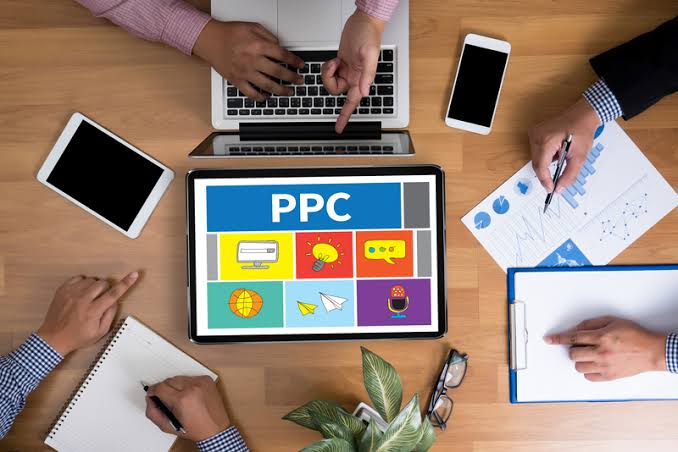
The Advantages
Speed You Can’t Get Any Other Way
This is PPC’s single biggest selling point. A well-set-up campaign can start driving traffic within hours of going live, not the weeks or months organic SEO typically takes to gain traction. For a business that needs leads immediately — a product launch, a seasonal push, a new location opening — that speed is often worth the cost on its own.
Precise, Measurable Return on Investment
Every click, conversion, and rupee spent is trackable down to the last detail. You know exactly how much you spent to acquire a customer, which keywords converted and which didn’t, and how your return on ad spend compares month over month. That level of transparency is rare in traditional advertising, where you’re often paying for exposure with no clear way to measure what it actually produced.
Tight Targeting Control
You choose exactly who sees your ads — by location, language, device, time of day, and often much more granular demographic and behavioral filters depending on the platform. A local business can target ads to specific neighborhoods or postal codes, ensuring budget isn’t wasted showing ads to people who could never realistically become customers.
Budget Flexibility
You control exactly how much you spend, and you can adjust it in real time. Start small to test an idea, scale up once you see what’s converting, or pause entirely if something isn’t working — none of which locks you into a long-term commitment the way traditional advertising contracts often do.
Visibility Even Without Clicks
Even when users don’t click, simply appearing at the top of search results or across their social feed builds brand familiarity. Repeated exposure over time tends to make people more likely to engage later, even if the first few impressions don’t convert directly.
The Disadvantages
Costs Can Spiral Fast in Competitive Industries
This is the flip side of PPC’s biggest strength. In industries like legal services, insurance, or real estate, competition for the same keywords can push cost-per-click extremely high, and an unmanaged campaign can burn through a monthly budget in days without delivering proportional results. Even in less competitive niches, poorly optimized ads still bleed money if they’re not converting.
It’s Not a “Set It and Forget It” Channel
PPC demands continuous attention — refining ad copy, monitoring which search terms are actually triggering your ads, adjusting bids, and testing landing pages. Businesses that treat PPC as a one-time setup task typically end up paying for clicks that never convert, simply because nobody’s watching the performance data closely enough to catch what’s going wrong.
It Requires Real Skill, Or a Real Budget for Help
Running an effective campaign takes more expertise than most business owners expect going in. Many companies end up hiring a specialist or agency to manage campaigns properly, which adds to the overall cost of the channel beyond just the ad spend itself.
Results Disappear the Moment You Stop Paying
Unlike SEO, where rankings built over time tend to persist even if you ease off content production for a while, PPC traffic stops the instant you stop paying. There’s no residual value sitting there working for you after the budget runs out — every month essentially starts from zero.
Vulnerable to Click Fraud and Wasted Spend
Competitors, bots, or accidental clicks can all drain your budget without ever producing a genuine lead. Platforms have improved fraud detection over the years, but it’s still a real risk that requires monitoring, especially in high-value, competitive keyword spaces.
So Is PPC Right for Your Business?
The honest answer depends less on your industry and more on your current situation. PPC tends to make sense when you need leads immediately, have a flexible budget you can test and adjust, and already have strong landing pages and conversion tracking in place to make the most of the traffic you’re paying for.
It tends to backfire when you’re working with a small, fixed budget that can’t absorb variable costs, when your brand and conversion infrastructure aren’t ready yet, or when your specific niche has bidding wars so intense that the return on investment simply doesn’t justify the spend.
The Bottom Line
PPC isn’t inherently better or worse than organic strategies like SEO — it solves a different problem. It buys speed and precision at a real, ongoing cost, while SEO builds slower but tends to compound in value over time. Most businesses that get real value from PPC treat it as one channel in a broader strategy, not a replacement for building organic visibility, and they commit to the ongoing management it genuinely requires rather than expecting it to run on autopilot.
FAQs
Q1. How much budget do I realistically need before PPC becomes worth trying?
There’s no universal number, since it depends heavily on your industry’s cost-per-click and your conversion rate once traffic lands on your site. A reasonable approach is starting with a modest test budget for a few weeks, watching your cost-per-acquisition closely, and scaling up only once you’ve confirmed the numbers work in your favor rather than committing a large budget upfront.
Q2. Can I run PPC campaigns myself, or do I need to hire an agency?
It’s possible to learn and run PPC yourself, especially with the free training resources most platforms provide, but it takes real time to get proficient at bid management and ad optimization. If you’re short on time or operating in a highly competitive niche, hiring a specialist often pays for itself by avoiding the costly early mistakes beginners tend to make.
Q3. What’s the biggest mistake businesses make when starting PPC?
Launching campaigns without proper conversion tracking in place. Without knowing which keywords, ads, and landing pages actually drive conversions, you’re spending money with no reliable way to tell what’s working, which usually leads to wasted budget long before anyone notices the problem.
Q4. If I pause my PPC campaigns, will my organic rankings be affected?
No — PPC and organic search rankings are calculated independently, so pausing paid ads doesn’t hurt your existing SEO position. What you will lose immediately is the paid traffic and visibility PPC was generating, which is why many businesses run both channels together rather than treating one as a backup for the other.