
If you had to guess where most of your immune system lives, the lungs or bloodstream might come to mind first. It’s actually your gut. Somewhere between 70 and 80% of your body’s immune cells sit in and around your digestive tract, which makes your gut less like a food-processing pipe and more like your body’s largest immune command center.
That’s not a minor biological footnote. It’s the reason so many seemingly unrelated health issues — frequent colds, chronic inflammation, sluggish recovery from illness — often trace back to what’s happening in your digestive system.
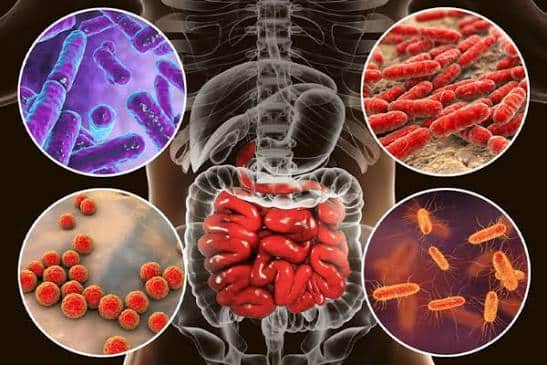
The Gut Isn’t Just Digesting Food — It’s Training Your Immune System
Deep in your intestinal lining sits a dense network of immune tissue called gut-associated lymphoid tissue, or GALT. Every day, your gut encounters an enormous volume of foreign material — food particles, bacteria, viruses — passing through it. GALT is constantly sampling all of that material, essentially teaching your immune system to tell the difference between harmless substances and genuine threats.
This is one reason gut health and immune resilience are so tightly linked. A gut that’s functioning well helps your immune system stay appropriately alert without overreacting to things that don’t actually pose a danger — which matters enormously, because an immune system that overreacts constantly is exactly what drives chronic inflammation and autoimmune-type issues.
Your Gut Bacteria Are Actively Talking to Your Immune Cells
For a long time, gut bacteria were viewed mostly as passive residents, quietly helping break down food. Recent research has overturned that picture. Scientists have found that gut microbes can directly inject proteins into human cells, actively shaping how the immune system behaves — not just influencing it indirectly through digestion, but communicating with it in a much more direct, mechanical way.
This changes how researchers think about the microbiome altogether. It’s not just a passive bystander in your health — it’s an active participant that’s constantly sending signals your immune system responds to, for better or worse depending on which bacteria dominate your gut environment.
A Balanced Microbiome Keeps Your Gut Lining Intact
Your intestinal lining acts as a physical barrier, keeping harmful bacteria, toxins, and undigested particles from leaking into your bloodstream. A diverse, well-balanced population of gut bacteria helps maintain the integrity of that barrier.
When that balance is disrupted — a state researchers call dysbiosis — the barrier can become more permeable, sometimes referred to informally as “leaky gut.” That allows substances that should stay contained in the digestive tract to slip into circulation, which can trigger ongoing immune activation and low-grade inflammation throughout the body, not just in the gut itself.
The Gut Doesn’t Just Affect Local Immunity — It Reaches Other Organs Too
One of the more striking developments in recent research is how far gut influence extends beyond digestion. Scientists have identified a genuine communication pathway between the gut and the lungs, sometimes called the gut-lung axis, where gut-derived signals and metabolites travel through the bloodstream and influence immune activity in respiratory tissue.
This helps explain why gut imbalances have been associated with susceptibility to respiratory conditions like asthma and chronic lung inflammation — the connection isn’t just theoretical, it’s an active area of ongoing research linking digestive and respiratory health in ways nutrition science didn’t fully appreciate a decade ago.
What Disrupts This Balance
A few common factors tend to throw gut bacteria out of balance and, by extension, put pressure on immune function:
- Frequent antibiotic use, which doesn’t just kill harmful bacteria but wipes out beneficial strains too, sometimes taking weeks or longer to recover.
- Diets low in fiber and high in processed food, which starve the beneficial bacteria that thrive on plant fiber and encourage less favorable strains instead.
- Chronic stress, which affects gut motility and the composition of gut bacteria through the well-documented gut-brain connection.
- Poor sleep, which disrupts the natural rhythms of gut bacterial activity in ways researchers are still working to fully map out.
What Actually Supports Gut and Immune Health
The good news is that the gut microbiome responds relatively quickly to dietary changes — often within days to weeks, not months.
- Prioritize fiber diversity. Different plant fibers feed different bacterial species, so a wide variety of vegetables, fruits, legumes, and whole grains supports a more diverse microbiome than any single “superfood.”
- Include fermented foods. Yogurt, kefir, sauerkraut, and other fermented foods introduce beneficial live bacteria directly into your gut environment.
- Limit ultra-processed foods. These tend to favor less beneficial bacterial strains and can contribute to the kind of gut lining disruption linked to increased inflammation.
- Only use antibiotics when genuinely necessary, and consider discussing gut-supportive strategies with your doctor when you do need a course of them.
- Manage stress and prioritize sleep, since both directly affect the gut-brain-immune relationship in ways diet alone can’t fully offset.
The Bigger Picture
Your gut isn’t a side character in your immune story — for a huge share of your immune activity, it’s the main stage. The relationship runs in both directions: a well-supported gut helps your immune system respond appropriately to real threats, and a disrupted one can quietly drive inflammation that shows up in places that seem completely unrelated to digestion. Supporting gut health isn’t just about avoiding bloating or discomfort — it’s foundational to how resilient your whole body is.
FAQs
Q1. If I take a probiotic supplement, will it definitely improve my immunity?
Not automatically. Probiotic effects tend to be strain-specific, meaning a supplement helps most when it contains strains matched to what you’re actually trying to address, and results vary significantly between individuals. Food sources with live cultures, combined with a fiber-rich diet that feeds existing beneficial bacteria, tend to offer more consistent, broad support than a generic supplement alone.
Q2. How quickly can gut health actually change after adjusting my diet?
Research suggests measurable shifts in gut bacterial composition can happen within days of a significant dietary change, though building a genuinely more resilient, diverse microbiome tends to take weeks of sustained habits rather than a one-off healthy week.
Q3. Does gut health matter for immunity even if I don’t have any digestive symptoms?
Yes. Gut-related immune disruption doesn’t always show up as bloating, discomfort, or other classic digestive symptoms — it can manifest instead as frequent infections, chronic low-grade inflammation, or slower recovery from illness, with no obvious digestive complaint at all.
Q4. I was just on antibiotics — how long should I expect my gut to take to recover?
Recovery time varies, but research indicates gut bacterial diversity can take anywhere from several weeks to a few months to substantially rebound after a course of antibiotics, and in some cases certain bacterial strains may not fully return to prior levels. Supporting recovery with fiber-rich foods and fermented foods during this window tends to help the process along.