
PVC and UPVC look nearly identical, get mentioned in the same breath constantly, and are frequently confused for one another entirely — yet the difference between them comes down to a single manufacturing decision that meaningfully affects how each performs under real plumbing conditions. Understanding that one difference clarifies almost everything else about which pipe belongs in your cold water system.
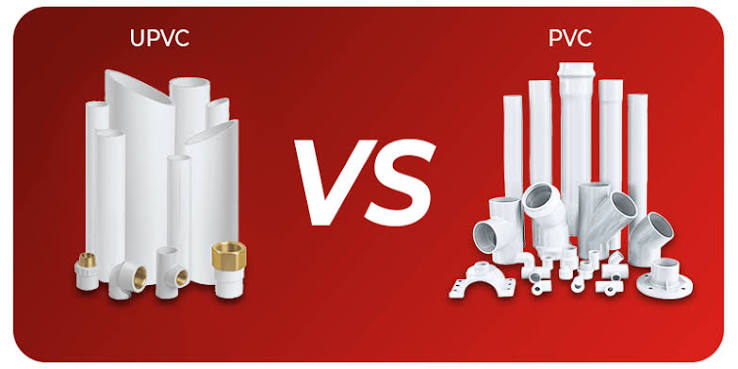
What Actually Separates PVC From UPVC
Standard PVC pipes are manufactured using plasticizers — additives that make the material more flexible — which keeps costs low but limits both strength and long-term stability. UPVC (Unplasticized Polyvinyl Chloride) is produced without any plasticizers at all, resulting in a considerably more rigid, durable material. That absence of plasticizers is the entire reason UPVC outperforms standard PVC in strength, chemical resistance, and long-term reliability, despite both materials sharing the same base polymer.
Strength and Structural Durability
UPVC holds a clear advantage here. Its unplasticized composition makes it noticeably stronger and more rigid than standard PVC, giving it genuine suitability for higher-pressure cold water systems and structural applications where PVC’s more flexible composition simply isn’t built to perform as reliably. PVC remains functional and cost-effective for lower-pressure applications, but it isn’t the material of choice when structural strength under pressure is a genuine priority.
Safety for Drinking Water
This is a meaningfully important distinction for potable water systems specifically. UPVC pipes are non-toxic and chemical-resistant, making them a genuinely safe, trusted choice for drinking water transport without risk of contaminating the water supply. Standard PVC is not universally suitable for potable water — only specific lead-free PVC grades are appropriate for drinking water applications, meaning a generic PVC pipe cannot simply be assumed safe for a household’s drinking water line without confirming its specific certification.
UV Resistance and Outdoor Durability
UPVC offers genuinely superior UV resistance compared to standard PVC, which matters considerably for any cold water piping exposed to sunlight, whether running along an exterior wall or through an outdoor irrigation setup. Standard PVC has more limited UV stability and tends to become brittle with prolonged sun exposure over time, a real vulnerability for outdoor installations that UPVC’s more resilient composition largely avoids.
Chemical Resistance and Long-Term Water Quality
Both materials resist most common chemical reactions reasonably well, which is part of why PVC-family pipes remain popular for drainage and irrigation applications where resistance to soil chemicals and moisture matters. UPVC’s superior chemical resistance, though, gives it a genuine edge specifically for potable water systems, helping keep water clean and free from contamination more reliably over the pipe’s full service life.
Temperature Limitations Shared by Both
Neither PVC nor UPVC is suitable for hot water applications — UPVC pipes are generally rated to handle temperatures only up to around 50-60°C before facing deformation or failure risk, and standard PVC has even more limited heat tolerance than that. Beyond these thresholds, both materials are prone to warping, weakening, or outright failure, which is exactly why hot water systems rely on CPVC or PPR instead. For cold water applications specifically, though, this temperature ceiling is rarely a practical concern.
Applications Where Each Material Excels
Standard PVC remains genuinely well-suited to drainage systems, low-pressure cold water lines, and cost-sensitive projects where budget outweighs the need for maximum strength or UV resistance. UPVC is the stronger choice for pressurized cold water supply systems, potable drinking water transport, and any application requiring genuine structural durability — sewage networks, irrigation systems, and residential or commercial water supply lines all commonly favor UPVC specifically because of its combination of strength, safety, and chemical resistance.
Installation and Handling
Both materials are relatively lightweight and easy to transport and handle, with installation typically involving cutting, cleaning, and solvent welding, with proper alignment being essential to ensure leak-free joints. Standard fittings and accessories are widely available for both, keeping installation logistics straightforward regardless of which specific pipe you choose — the real decision point is about long-term performance rather than installation complexity, since both are comparably manageable to work with.
Lifespan Expectations
PVC-family pipes generally offer a genuinely long service life when used appropriately for cold water and drainage applications — commonly cited in the range of 40 to 60 years, largely thanks to their inherent corrosion resistance. UPVC, given its more rigid, unplasticized composition, tends to hold up at least as well if not better over that same extended timeframe, particularly in pressurized or UV-exposed conditions where standard PVC’s more limited durability would show wear considerably sooner.
Which One Actually Suits Your Cold Water System?
UPVC is the stronger choice for pressurized potable water supply lines, any outdoor or UV-exposed installation, and applications where structural strength genuinely matters. Standard PVC remains a perfectly reasonable, more budget-friendly choice for drainage systems, low-pressure applications, and situations where UPVC’s added strength and UV resistance aren’t genuinely necessary for the specific use case.
The Bottom Line
UPVC generally outperforms standard PVC in strength, UV resistance, and safety for potable water transport, making it the preferred choice for pressurized cold water supply and drinking water systems specifically. Standard PVC remains a genuinely cost-effective, reliable option for drainage and lower-pressure applications where UPVC’s additional strength isn’t a strict requirement. Neither material is suitable for hot water, which is a separate decision entirely — for cold water specifically, the right choice comes down to matching each material’s genuine strengths to your system’s actual pressure, exposure, and potability requirements.
FAQs
Q1. Is it safe to use standard PVC pipes for my home’s drinking water supply?
Only specific lead-free PVC grades are certified safe for potable water — not all PVC pipes meet this standard, so it’s essential to confirm the exact product’s certification before installing it for drinking water use. UPVC is generally the safer, more straightforward default choice for potable water specifically, since it’s designed without the additives that raise this concern with standard PVC.
Q2. Can I use UPVC pipes for outdoor irrigation systems exposed to direct sunlight?
Yes, UPVC’s superior UV resistance makes it genuinely well-suited to outdoor installations that face prolonged sun exposure, unlike standard PVC, which can become brittle over time under the same conditions. This makes UPVC a more durable long-term choice specifically for exterior or agricultural irrigation applications where sunlight exposure is unavoidable.
Q3. What happens if hot water accidentally runs through a UPVC cold water pipe?
Occasional brief exposure to moderately warm water likely won’t cause immediate damage, but sustained exposure to temperatures above UPVC’s rated threshold, generally around 50-60°C, risks deformation or eventual pipe failure. If there’s any realistic chance hot water could enter a specific line, it’s worth using CPVC or PPR for that section instead, rather than relying on UPVC beyond its intended cold-water application.
Q4. Is UPVC worth the extra cost over standard PVC for a typical residential cold water system?
For pressurized main supply lines and drinking water applications, UPVC’s added strength, UV resistance, and safety credentials generally justify the modest cost premium over standard PVC. For lower-pressure drainage lines or applications where UPVC’s specific advantages aren’t critical, standard PVC remains a perfectly reliable and more budget-friendly choice, so it’s worth evaluating each section of your plumbing system individually rather than defaulting to one material throughout.