
More sheen means more light reflection, more durability, and more visible imperfections — that single tradeoff is the entire logic behind paint finish, and once you understand it, the rest of the decision becomes considerably simpler. Every room in your house is really answering one question: do you care more about hiding flaws or wiping away fingerprints? The answer changes room by room, which is exactly why professional painters rarely use just one finish throughout an entire home.
How Sheen Actually Works
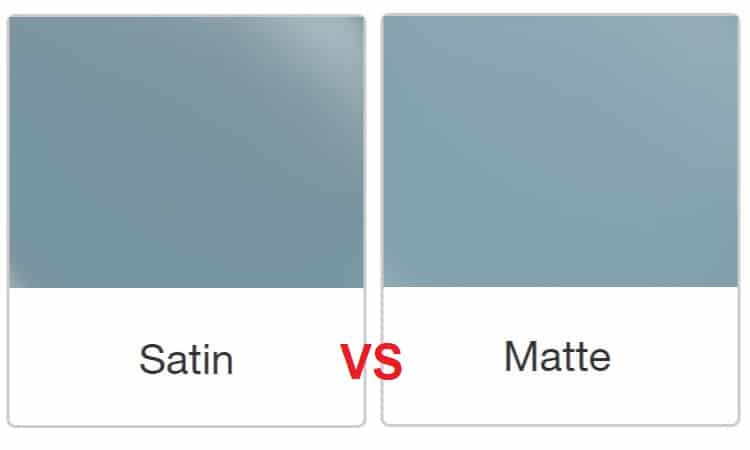
Paint sheen refers to how much light a paint surface reflects once dry. Lower-sheen finishes like matte create diffuse reflection, scattering light in every direction, which is exactly what hides drywall imperfections, patch marks, and texture variations so effectively. Higher-sheen finishes like satin and gloss create specular reflection instead — light bounces in a more concentrated, mirror-like way, which adds depth and visual interest but also shows every flaw on the surface underneath considerably more clearly.
Matte Finish: Best for Hiding Flaws
Matte paint absorbs almost all light rather than reflecting it, giving walls a soft, smooth, elegant appearance that suits a modern, sophisticated aesthetic. This light-absorbing quality makes matte genuinely excellent at concealing wall imperfections, patched cracks, and texture inconsistencies better than any other finish — which is exactly why it remains the standard choice for ceilings, where raking light from windows and lamps would otherwise expose every seam and repair.
The tradeoff is durability. Matte finishes are not particularly washable and scuff more easily than higher-sheen alternatives, which is why professional painters generally reserve matte for low-traffic areas — bedrooms, dining rooms, and formal living spaces where walls aren’t getting touched, bumped, or wiped down regularly. Modern matte formulations have genuinely improved in washability over recent years, narrowing this gap somewhat, but matte still isn’t the right choice for a busy family hallway or a kids’ playroom.
Satin Finish: The Practical Middle Ground
Satin paint offers a soft, pearl-like luster that sits between matte’s flatness and gloss’s shine, giving it a genuine reputation as the “workhorse” finish for most interior walls. It provides a meaningfully better balance of durability and washability than matte, while still hiding imperfections considerably better than glossier options — a combination that makes it well-suited to living rooms, bedrooms, hallways, and home offices where moderate daily wear is a genuine consideration but a fully reflective finish would feel like overkill.
Satin’s versatility is really its defining strength. It’s durable enough to resist mildew and stay fade-resistant while remaining easier to clean than flat finishes, making it the closest thing to a universal, safe default for most rooms in a typical home.
Gloss and Semi-Gloss: Built for Durability and Cleaning
Gloss is the most reflective of the common paint finishes, offering maximum light reflection and, correspondingly, maximum durability. Semi-gloss sits just below full gloss in shine level but shares its core advantages — genuinely strong moisture resistance and easy cleanability, making it the standard choice for kitchens, bathrooms, trim, and doors, where grease, moisture, and frequent contact are daily realities rather than occasional concerns.
The real limitation here is visual honesty about flaws. The higher the sheen, the more every wall imperfection shows, meaning gloss and semi-gloss are genuinely unforgiving on rough or poorly prepared drywall. If your walls have visible texture, patches, or unevenness, jumping straight to semi-gloss or gloss will highlight exactly what you were hoping to hide.
Matching Finishes to Specific Rooms
A practical, professionally common approach looks like this: ceilings get a dedicated flat or matte finish specifically formulated for better hide. Adult bedrooms and living rooms work well with satin or eggshell for a soft look with reasonable touch-up ease. Kitchens near the stove and bathrooms benefit from semi-gloss specifically for grease and moisture resistance, while many homeowners compromise with satin on the surrounding upper walls and semi-gloss concentrated near the areas that see the most direct splashing or contact.
A Common Mistake Worth Avoiding
One genuinely frequent error is applying a higher-sheen finish like semi-gloss onto uneven or poorly prepared drywall — the higher sheen amplifies every flaw rather than concealing it. If your walls have visible texture or repair marks, either skim-coating the surface first or dropping down to a lower-sheen option like eggshell or matte will produce a considerably better-looking final result.
Which One Actually Suits Your Home?
Choose matte for ceilings and low-traffic, formal spaces where wall imperfections need genuine concealment. Choose satin as your practical default for most living spaces — bedrooms, living rooms, hallways — where you want a reasonable balance of softness and washability. Choose semi-gloss or gloss specifically for kitchens, bathrooms, trim, and doors, where moisture resistance and easy cleaning matter more than hiding minor wall texture.
The Bottom Line
Matte paint hides wall flaws best but scuffs most easily, satin offers the strongest all-around balance for everyday living spaces, and gloss delivers the toughest, most washable surface at the cost of showing every imperfection underneath. Most well-planned homes use a genuine mix of these finishes room by room rather than committing to a single sheen throughout, matching each space’s specific traffic level and moisture exposure to the finish best equipped to handle it.
FAQs
Q1. Can I use the same paint finish throughout my entire home to keep things simple?
You technically can, but it’s generally not recommended, since different rooms have genuinely different durability and moisture needs — a finish that works beautifully in a low-traffic bedroom would struggle in a kitchen or bathroom, and vice versa. Most professional painters recommend matching finish to room function rather than prioritizing consistency for its own sake.
Q2. Why do paint finish names vary so much between different brands?
Sheen naming isn’t standardized across manufacturers — one brand’s “matte” can sit closer to true flat, while another brand’s “matte” behaves more like eggshell, and each brand uses its own internal scale. Checking the actual gloss level number listed on the paint can, rather than relying solely on the name on the shelf, gives you a more reliable comparison across different brands.
Q3. My drywall has some visible texture and old patch marks — which finish should I choose?
Lower-sheen finishes like matte or flat are specifically better at concealing these kinds of imperfections, since they scatter light diffusely rather than creating the more revealing, mirror-like reflection that higher-sheen finishes produce. If you’re set on a higher-sheen finish like semi-gloss for durability reasons, skim-coating the wall first to smooth out the texture will produce a considerably better final result than applying glossy paint directly over visible flaws.
Q4. Is it worth paying more for a higher-quality matte paint that claims better washability?
Modern matte formulations have genuinely improved in washability over recent years, narrowing the gap with satin somewhat, which can make a higher-quality matte a reasonable option for moderate-traffic areas where you still want that soft, flaw-concealing look. That said, for genuinely high-traffic or wet areas like kitchens and bathrooms, even improved matte formulations still won’t match satin or semi-gloss’s cleaning ease, so it’s worth being realistic about your specific room’s demands before upgrading matte paint quality as a workaround.