
The FNG Expressway addresses one of the NCR’s most persistent and genuinely frustrating commuting problems — the absence of a direct road link between the region’s eastern urban belt. Before FNG, traveling between Faridabad and Noida, or between either of them and Ghaziabad, meant either going through Delhi’s congested core or taking indirect routes that added significant time to what should have been relatively straightforward cross-city journeys. A person living in Faridabad and working in Noida had essentially no good road option — they either crawled through South Delhi’s traffic or took such a circuitous route that the commute time became prohibitive.
The FNG Expressway changes this calculation meaningfully. Running along the eastern periphery of Delhi through the Yamuna floodplain zone, it creates an outer east corridor that connects the NCR’s three eastern and southeastern cities — Faridabad in Haryana, Noida in Uttar Pradesh, and Ghaziabad in Uttar Pradesh — in a single continuous highway that bypasses the capital entirely. For the millions of NCR residents who live and work in these eastern cities, the FNG is the road infrastructure that the region’s planning should have produced a decade earlier.
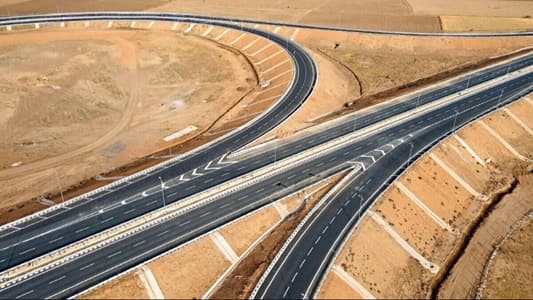
Overview Table
| Detail | Information |
| Full Name | Faridabad-Noida-Ghaziabad Expressway |
| Route | Faridabad (Haryana) → Noida (UP) → Ghaziabad (UP) |
| Total Length | Approx. 56 km (full alignment) |
| Highway Classification | State Highway / Urban Expressway (partial sections operational) |
| Starting Point | Faridabad, Haryana (near NH-19 Mathura Road corridor) |
| Ending Point | Ghaziabad, Uttar Pradesh |
| Lanes | 6 lanes (planned); 4 lanes (operational sections) |
| Speed Limit | 100 km/h (cars); 60 km/h (heavy vehicles) |
| Toll Fee | Varies by section — approx. ₹50–100 for cars on operational stretches |
| Toll Collection | FASTag-enabled |
| Governing Authority | NHAI, UP Expressways Industrial Development Authority, Haryana PWD |
| Key Road Connections | NH-19 (Faridabad), Yamuna Expressway connector, NH-58 (Ghaziabad) |
| Nearest Metro Access | Faridabad Metro (Violet Line); Noida Metro (Aqua Line); Ghaziabad Metro (Red Line) |
| Significance | NCR’s eastern bypass connecting Haryana, UP without transiting Delhi |
Route and Location
The FNG Expressway runs along the eastern Delhi boundary, largely following the Yamuna River’s eastern bank through the floodplain zone that forms a natural corridor between the three cities. Starting from the Faridabad zone in Haryana’s southern NCR belt, the expressway heads northward through the Sector 58-65 area of Faridabad, crosses into the Noida zone in Uttar Pradesh, passes through Noida’s eastern sectors, and continues northward toward Ghaziabad’s southern and eastern approach zones.
The routing through the Yamuna floodplain is both the expressway’s geographic logic and its primary construction challenge — the floodplain’s flood-prone character requires elevated sections and robust drainage infrastructure that adds significantly to project costs and timelines. Portions of the alignment have been operational for several years while other sections continue in various stages of development.
Length and Speed Limits
The full FNG alignment covers approximately 56 kilometres — long enough to meaningfully reduce travel times between the three cities but short by national expressway standards. The speed limit of 100 km/h for cars on the operational stretches reflects the expressway’s semi-urban character — higher than city roads but acknowledging the NCR’s dense urban environment on all sides. Heavy vehicles at 60 km/h reflects the mixed freight and passenger traffic character of a corridor that serves both the industrial zones of Faridabad and the logistics hubs of the Ghaziabad-Noida belt.
Toll Fee
Toll charges on the FNG vary by section and vehicle category, with cars typically paying in the range of ₹50 to ₹100 depending on the stretch traveled. FASTag is mandatory for smooth passage at the toll plazas. The tolling structure is intended to recover the significant infrastructure investment of the floodplain alignment while remaining competitive enough with alternative routes to ensure the expressway achieves its traffic diversion objectives.
Connectivity
The FNG’s value is primarily its cross-boundary connectivity — Faridabad’s Violet Line metro, Noida’s Aqua Line, and Ghaziabad’s Red Line metro network all serve the broader cities connected by this expressway, making the FNG a road complement to the metro rail connectivity that each city independently possesses. The expressway’s connection to NH-19 at the Faridabad end and to the Yamuna Expressway and NH-58 network at the Noida-Ghaziabad end creates a comprehensive eastern NCR connectivity framework.
Nearby Areas
Sector 58-65 Faridabad: The newer developing sectors of southern Faridabad are the primary Haryana residential beneficiaries of the FNG’s improved connectivity.
Noida Sectors 94-168: The eastern Noida residential and commercial belt gains direct highway connectivity toward Faridabad southward and Ghaziabad northward.
Hindon River Zone: The Hindon River crossing near the Ghaziabad end of the expressway is an important engineering feature and a geographic marker of the UP industrial city’s approach.
Yamuna Expressway Interchange: The connection to the Yamuna Expressway at the Noida end opens the FNG toward Agra, Mathura, and the broader western UP highway network.
Frequently Asked Questions (FAQs)
Q1. What does FNG stand for in FNG Expressway?
Faridabad-Noida-Ghaziabad — the three NCR cities the expressway connects.
Q2. How long is the FNG Expressway?
Approximately 56 kilometres covering the full alignment from Faridabad to Ghaziabad.
Q3. What is the speed limit on FNG Expressway?
100 km/h for cars and 60 km/h for heavy vehicles on operational sections.
Q4. What is the toll fee on FNG Expressway?
Approximately ₹50 to ₹100 for cars depending on the section traveled, with FASTag as the primary payment mode.
Q5. Why is the FNG Expressway significant for NCR commuters?
It creates a direct road link between Faridabad, Noida, and Ghaziabad without routing through Delhi’s congested core — the first practical option for millions of cross-city commuters in the NCR’s eastern belt.