
Iron deficiency has a reputation for being sneaky. It doesn’t announce itself with one dramatic symptom — instead, it builds slowly, so gradually that many people adjust to feeling drained without ever connecting the dots. By the time someone finally gets tested, they’re often surprised at how much better they feel once it’s treated, simply because they’d forgotten what “normal energy” was supposed to feel like.
Here’s what to actually watch for, and why the early signs are so easy to write off as something else entirely.
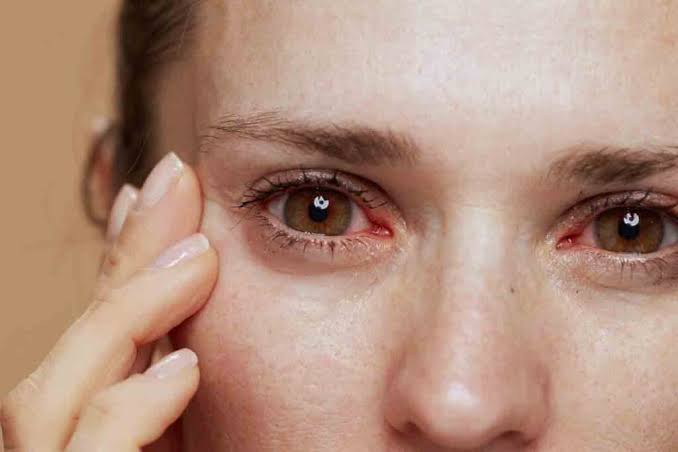
Fatigue That Doesn’t Match Your Sleep
This is the symptom almost everyone with iron deficiency reports, and it’s also the easiest to dismiss. Iron is essential for making hemoglobin, the protein in red blood cells responsible for carrying oxygen through your bloodstream. When iron runs low, hemoglobin production drops, oxygen delivery to your muscles and tissues suffers, and your body simply has less fuel to work with.
The giveaway isn’t ordinary tiredness after a long day — it’s exhaustion that persists even after a full night’s sleep, or fatigue that feels disproportionate to how much you’ve actually done. If you’re constantly wiped out with no clear explanation, that mismatch is worth paying attention to.
Unusual Paleness, Especially in Specific Places
Because hemoglobin gives blood — and by extension, skin — its reddish tone, low iron can visibly wash out your complexion. This shows up most noticeably on the face, lips, and inner eyelids, where thinner skin makes blood color more visible.
This sign is genuinely harder to spot on darker skin tones, which is one reason iron deficiency sometimes goes undiagnosed longer in people with deeper complexions — the paleness is there, it’s just less obvious at a glance. If that’s you, leaning more on the other symptoms in this list matters even more.
Shortness of Breath and a Racing Heart
When your blood is carrying less oxygen than it should, your heart compensates by working harder and beating faster to move what oxygen is available around your body more quickly. That’s why breathlessness during activities that used to feel easy — climbing a flight of stairs, a brisk walk — is a common complaint, along with heart palpitations or a noticeably faster heartbeat even at rest.
If this shows up alongside chest discomfort, it’s worth getting checked sooner rather than later, since it can also signal that the deficiency has progressed further.
Brain Fog and Trouble Concentrating
This one surprises people because it doesn’t feel physical. Reduced oxygen delivery affects brain function too, and low iron has been linked to difficulty concentrating, forgetfulness, and a general mental fuzziness that people often mistake for stress, poor sleep, or simply being busy. Because it overlaps with so many other common complaints, brain fog is one of the more under-recognized signs of iron deficiency.
Cold Hands and Feet, and Unusual Chills
Iron deficiency can affect how well your body regulates temperature, partly because reduced blood flow and oxygen delivery to your extremities leave hands and feet feeling colder than usual, even in a warm room. Some people also report a general sensitivity to cold that wasn’t there before, or chills without an obvious cause.
Hair Thinning and Brittle Nails
Your body prioritizes oxygen delivery to vital organs over less essential functions like hair growth when iron is scarce, which can lead to noticeable hair thinning or shedding over time. Nails may also become brittle, spoon-shaped, or more prone to breaking. These changes tend to develop slowly, which is exactly why they’re easy to attribute to stress, seasonal shedding, or aging rather than a nutrient gap.
Unusual Cravings for Non-Food Items
This is one of the stranger and more specific signs: a craving to chew or eat things like ice, dirt, chalk, or paper — a condition known as pica. It’s not fully understood why iron deficiency triggers this, but it’s considered a fairly distinctive marker, and it tends to resolve once iron levels are corrected.
Who’s Most at Risk
Iron deficiency doesn’t affect everyone equally. People who menstruate — especially those with heavy periods — lose iron regularly and are at consistently higher risk. Pregnant women, vegetarians and vegans (since plant-based iron is absorbed less efficiently than iron from animal sources), and anyone with a condition affecting digestion or absorption, such as celiac disease, also face elevated risk. Slow, internal blood loss from sources like ulcers or digestive conditions is another common but easily missed cause, particularly in men and postmenopausal women.
What To Do If This Sounds Familiar
The most important step is also the simplest: get a blood test rather than guessing or self-treating. Iron deficiency is diagnosed through bloodwork, and taking iron supplements without confirming an actual deficiency can be risky — excess iron builds up in the body and can damage organs like the liver over time.
If a test confirms low iron, a doctor can recommend the right dose and form of supplementation, along with investigating why the deficiency happened in the first place, since treating the symptom without finding the cause often means the problem just returns.
The Bottom Line
Iron deficiency rarely announces itself clearly. It shows up as tiredness you write off, a heartbeat you don’t think twice about, or hair loss you blame on stress. Recognizing the pattern across several of these signs — rather than waiting for one dramatic symptom — is what actually gets people diagnosed and feeling better sooner.
FAQs
Q1. Can you have iron deficiency without it turning into anemia?
Yes. Iron stores can run low before your red blood cell count actually drops enough to be classified as anemia — this earlier stage can still cause fatigue and other symptoms, even if a standard blood count looks technically normal. A ferritin test, which measures stored iron specifically, often catches this earlier stage that a basic hemoglobin check might miss.
Q2. I eat plenty of iron-rich food — why would I still be deficient?
Diet alone doesn’t guarantee good iron levels if absorption is the problem. Conditions like celiac disease, frequent use of antacids, or pairing iron-rich meals with foods that block absorption (like tea or coffee taken right after eating) can all reduce how much iron your body actually takes in, regardless of how much you’re consuming.
Q3. How long does it take to feel normal again after starting iron supplements?
Many people notice some improvement in energy within a few weeks, but fully rebuilding iron stores typically takes two to three months of consistent supplementation. Stopping early because symptoms improve slightly is a common mistake — finishing the full course your doctor recommends matters for lasting results.
Q4. Is it safe to just try an iron supplement on my own to see if it helps?
It’s not recommended. Taking iron without a confirmed deficiency can lead to excess iron buildup, which is genuinely harmful over time, and if your fatigue is caused by something else entirely, you’d be masking the real issue rather than fixing it. Testing first is the safer and ultimately faster path to an actual answer.