
The idea that healthy eating requires an expensive grocery cart full of quinoa, imported superfoods, and organic everything is one of the most persistent — and inaccurate — beliefs in modern nutrition. Some of the most nutrient-dense foods on the planet happen to be among the cheapest things in any supermarket. The real skill isn’t finding money you don’t have; it’s knowing which basics to build meals around.
Here’s how that actually plays out in practice.
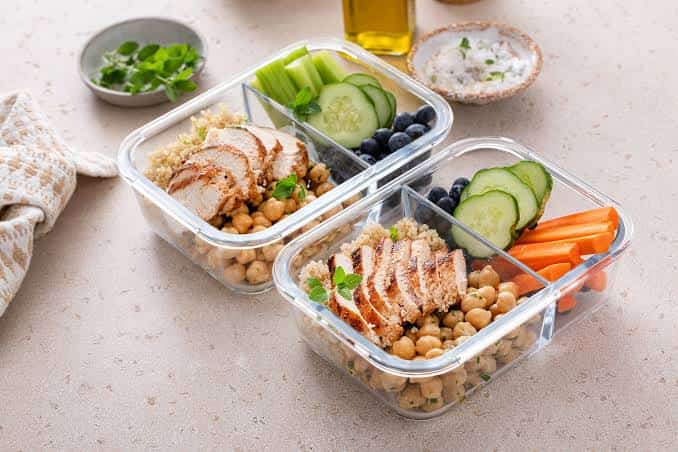
Build Every Meal Around a Handful of Cheap Staples
You don’t need variety for the sake of variety — you need a small rotation of ingredients that show up in multiple meals throughout the week. Beans, lentils, eggs, oats, rice, potatoes, and frozen vegetables are about as nutrient-dense as food gets, and they’re also consistently among the least expensive items on any grocery shelf.
Instead of buying ten different ingredients for ten different one-off recipes, buy five or six staples and rotate them across breakfast, lunch, and dinner. A bag of rice, a dozen eggs, and a bag of frozen vegetables can realistically stretch into several completely different meals across a week, with almost nothing wasted.
Rethink How Much Protein You’re Actually Paying For
Protein tends to be the priciest part of any healthy diet, but it doesn’t have to be. Eggs, canned tuna or salmon, lentils, beans, and chicken thighs (genuinely cheaper than chicken breast, and just as usable) all deliver solid protein without the price tag of premium cuts or specialty products.
Going meatless a couple of times a week — leaning on lentils, chickpeas, or beans instead — is one of the simplest ways to cut your grocery bill without sacrificing nutrition. These plant proteins also come with fiber that meat doesn’t offer, which is a genuine nutritional upgrade, not just a cost-saving compromise.
Frozen and Canned Aren’t the Downgrade People Assume
There’s a lingering assumption that fresh automatically means healthier, but frozen fruits and vegetables are typically flash-frozen at peak ripeness, which means they retain most of their nutritional value while lasting far longer in your freezer than fresh produce lasts in your fridge. Canned beans, tomatoes, and fish work the same way — genuinely nourishing, considerably cheaper, and far less likely to end up thrown out because they went bad before you got to them.
The one thing worth watching: pick plain frozen vegetables and canned beans without added sauces, syrups, or heavy sodium, since that’s where the “unhealthy convenience” reputation actually comes from.
Plan Before You Shop, Not While You’re Standing in the Aisle
Grocery bills spiral fastest when shopping is unplanned. Going in hungry, without a list, or making frequent small trips instead of one focused weekly trip all tend to lead to impulse buys and duplicate purchases sitting unused in the pantry.
A short weekly plan — even just deciding on four or five meals and building a list around them — prevents most of that waste. It also means you’re buying ingredients you’ll actually use across multiple meals, rather than one-off items for a single recipe that never gets finished.
Batch Cook Once, Eat for Days
Spending a couple of hours over the weekend cooking a large pot of dal, soup, or a grain bowl base gives you ready meals for several days without daily cooking effort or the temptation to order takeout on a tired weeknight. This isn’t just a time-saver — it’s one of the more reliable ways to keep your actual spending in line with your planned budget, since decision fatigue is often what drives people toward expensive convenience food.
Watch the Traps That Quietly Drain Your Budget
A few habits sabotage even well-intentioned budget efforts:
- Single-serving packaging — individual yogurt cups, small snack packs, and pre-portioned items almost always cost more per unit than buying the same food in a larger container and portioning it yourself.
- “Healthy” marketing labels — terms like low-fat, all-natural, or gluten-free often carry a price premium without necessarily meaning the product is more nutritious than a plain, unlabeled alternative.
- Ultra-processed snacks and drinks — chips, sodas, and packaged snacks eat into the budget more than people realize, often without delivering much nutritional value in return.
- Buying in bulk without a plan — bulk pricing is only a genuine deal if you’ll actually use the full quantity before it spoils or goes stale.
Compare Cost the Right Way
If you’re ever unsure whether a food is actually a good value, look at price per typical portion or price per unit weight rather than the total price on the shelf tag. A bag of oats might look pricier upfront than a box of sugary cereal, but per actual serving, it’s usually the cheaper — and far more filling — option.
Making It Sustainable, Not Just Cheap
The goal isn’t to white-knuckle through the strictest possible budget diet. It’s to build a repeatable pattern — protein, a high-fiber carb, and vegetables at most meals — that you can sustain without constant planning fatigue. Once that pattern becomes automatic, both the grocery bill and the mental effort of deciding what to eat drop significantly.
FAQs
Q1. Is buying frozen produce actually cheaper than fresh in the long run, even accounting for waste?
Yes, in most cases. Fresh produce that spoils before you use it is money lost entirely, while frozen produce keeps for months, letting you use exactly what you need without tossing the rest. Once you factor in food waste, frozen often works out cheaper per meal, not just per package.
Q2. I don’t have time to meal prep on weekends — are there budget options for people who can’t batch cook?
Yes. Leaning on naturally quick-cooking staples — canned beans, eggs, instant oats, pre-washed frozen vegetables — lets you build a healthy meal in 10-15 minutes without a weekend prep session. The savings come more from what you buy and avoid than from batch cooking specifically, so it’s still achievable on a tighter schedule.
Q3. How do I eat healthy on a budget if I’m cooking for just one person and can’t use bulk ingredients before they go bad?
Portion and freeze in individual servings right after cooking or shopping — cooked rice, beans, and even bread all freeze well in single portions. This lets you buy in bulk for the cost savings while sidestepping the waste that usually comes with cooking for one.
Q4. Are generic or store-brand foods actually as healthy as name brands, or is that just a marketing myth?
For most staples — oats, rice, canned beans, frozen vegetables — store brands use nearly identical ingredients to name brands at a noticeably lower price, since you’re mainly paying less for packaging and marketing rather than getting a lower-quality product. Checking the ingredient list rather than the brand name is the more reliable way to judge quality either way.