
Belly fat is the most stubborn kind to shift, and also the most commonly misunderstood. No seven-day plan spot-reduces fat off your stomach specifically — that’s not how physiology works. What a well-built week can do is create the conditions your body needs to start losing fat overall, with your midsection often responding first simply because visceral fat tends to be more metabolically active than fat stored elsewhere.
Here’s how to actually structure one that works, rather than copying a random meal list off the internet.
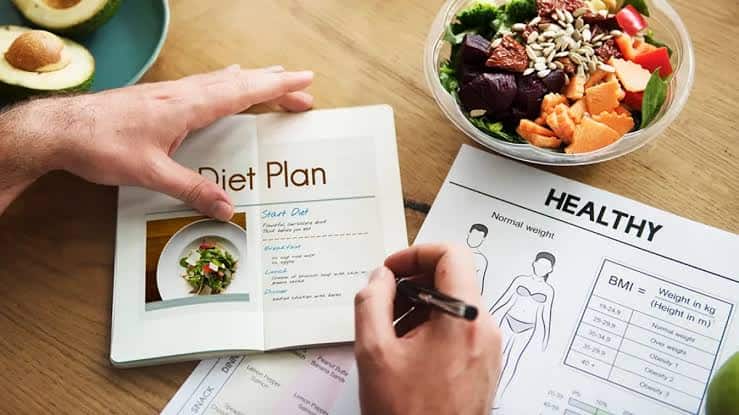
Start With the Number That Actually Matters: Calories
Before picking meals, decide on a realistic daily calorie target. This is where a lot of plans go wrong — dropping someone to 1,200 calories a day sounds aggressive and motivating, but for most adults, that’s simply too low to meet basic nutritional needs and tends to backfire through fatigue, muscle loss, and rebound overeating once the week ends.
A more sustainable range for most people sits between 1,500 and 1,800 calories daily, adjusted for your height, activity level, and starting weight. If you’re unsure where you fall, a rough starting point is trimming 300–500 calories below what you’d need to maintain your current weight — enough to create a deficit without leaving you running on empty.
Build Each Day Around Three Pillars
Rather than obsessing over exact recipes, structure each day’s meals around three things: protein, fiber, and healthy fats. Get these right, and the rest of the plan mostly falls into place.
Protein keeps you full and protects muscle while you’re eating less overall — aim for a source at every meal, whether that’s eggs, paneer, lentils, chicken, fish, or Greek yogurt.
Fiber is arguably the most underrated tool for belly fat specifically. Research has linked higher daily fiber intake — around 25–30 grams from vegetables, fruits, oats, and legumes — with measurable reductions in abdominal fat over time, likely because fiber slows digestion and keeps blood sugar steadier across the day.
Healthy fats from sources like nuts, olive oil, and avocado help with satiety and hormone function, and cutting them too aggressively usually just makes you hungrier without speeding up results.
A Sample 7-Day Framework
You don’t need to follow this meal-for-meal — treat it as a template you can swap ingredients into based on what you actually like eating.
- Day 1: Overnight oats with berries; grilled chicken and quinoa salad; vegetable stir-fry with tofu.
- Day 2: Greek yogurt with nuts and seeds; chickpea and vegetable wrap; baked fish with roasted vegetables.
- Day 3: Vegetable omelet; lentil soup with a side salad; grilled paneer with sautéed greens.
- Day 4: Smoothie with protein, spinach, and banana; whole-grain wrap with hummus and vegetables; baked chicken with steamed broccoli.
- Day 5: Poha or upma with vegetables; quinoa bowl with roasted chickpeas; fish curry with brown rice.
- Day 6: Boiled eggs with whole-grain toast; mixed bean salad; grilled tofu stir-fry with vegetables.
- Day 7: Fruit and nut bowl; leftover-based lunch to reduce food waste; a slightly more relaxed dinner out or at home, without derailing the week entirely.
Two moderate snacks a day — fruit, nuts, or yogurt — help keep energy steady and prevent overeating at meals.
Don’t Skip the Non-Food Half of the Equation
A diet plan alone rarely delivers the belly fat result people expect if the rest of the picture is ignored.
- Movement matters as much as meals. Combining cardio with two to three strength sessions a week tends to outperform diet-only approaches, since muscle helps keep your metabolism higher even at rest.
- Sleep is not optional. Poor sleep disrupts hunger hormones and makes cravings — especially for sugar and refined carbs — noticeably harder to manage.
- Alcohol works against you twice over — it adds empty calories and tends to lower inhibition around food choices later in the evening.
What to Genuinely Avoid This Week
- Sugary drinks and fruit juices, which add calories without the fullness that whole fruit provides.
- Refined carbs like white bread and pastries, which spike blood sugar and leave you hungrier sooner.
- Fried and heavily processed foods, which tend to be calorie-dense without much nutritional payoff.
- Extreme restriction of entire food groups — cutting out carbs or fats completely usually isn’t sustainable past a week and can backfire once normal eating resumes.
Setting Realistic Expectations
A week is enough to build momentum and notice reduced bloating, better digestion, and slightly looser clothing — much of that early change is water weight and reduced inflammation rather than pure fat loss. Genuine, lasting reduction in belly fat typically takes consistent effort over several weeks to months, not seven days. Treat this plan as the first week of a longer habit, not a finish line.
FAQs
Q1. Will doing ab exercises specifically help burn belly fat faster?
Not directly. Ab exercises strengthen the muscle underneath the fat but don’t target fat loss in that specific area — that’s determined by your overall calorie balance and genetics, not which muscle group you’re training. Combining strength training across your whole body with a calorie deficit is more effective than isolated ab workouts alone.
Q2. I have digestive issues — can I still follow a high-fiber plan like this?
Yes, but ease into it gradually rather than jumping straight to 25-30 grams a day, since a sudden fiber increase can cause bloating or discomfort in people unused to it. Increasing intake over one to two weeks, alongside plenty of water, usually prevents that adjustment period from being uncomfortable.
Q3. What if I don’t see any visible difference after the full week?
That’s normal and doesn’t mean the plan isn’t working. Visible belly fat changes typically lag behind the internal metabolic improvements happening in week one — think of this week as laying the groundwork rather than expecting a visual transformation on day seven.
Q4. Can I repeat this exact 7-day plan for several weeks in a row?
You can, but rotating meals slightly each week helps with both nutrient variety and long-term adherence — eating identical meals for a month tends to reduce diet satisfaction and increase the odds of quitting. Keep the same calorie range and food-group balance, just swap specific dishes every week or two.