
A storage geyser sits there, quietly heating a full tank of water whether you need it or not, ready the moment you turn the tap. A tankless system does the opposite — it heats nothing until the exact moment water is flowing through it, then stops the instant you shut the tap off. That single design philosophy explains almost everything else that separates these two appliances, from your electricity bill to how long the unit will last on your wall.
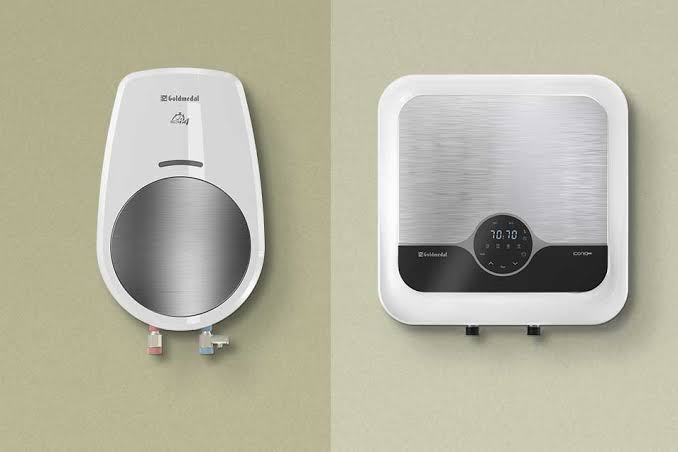
How Each System Actually Works
A storage geyser heats water and holds it in an insulated tank, keeping it hot and ready until you need it. This means an initial heating period before hot water is available, but once heated, it can supply a large volume at once, often across multiple taps simultaneously.
A tankless (instant) water heater has no storage tank at all — it heats water instantly as it flows through the unit using a high-power heating element, delivering hot water on demand without any waiting period for an initial heat-up.
Energy Efficiency: A Genuine, Measurable Difference
Tankless systems have a real efficiency advantage. Because they only heat water when it’s actually needed, they avoid the standby heat loss that storage geysers experience from constantly maintaining a tank of hot water — tankless units are commonly cited as being 20 to 30% more energy efficient than comparable storage models, and some estimates put potential energy cost reductions as high as 25%.
Storage geysers, by contrast, lose some energy simply keeping stored water at temperature around the clock, even during hours when nobody’s using hot water at all. For households with genuinely intermittent hot water use, this standby loss represents real, ongoing waste that a tankless system simply doesn’t have.
Upfront Cost and Installation
This is where storage geysers hold a clear advantage. They’re generally less expensive to purchase and install, with installation costs typically running meaningfully lower than a comparable tankless setup — and their installation and operation are frequently simpler, without the higher-capacity electrical or gas supply requirements tankless units often demand.
Tankless water heaters carry a higher upfront investment, both for the unit itself and often for installation, since they may require electrical or gas supply upgrades to handle their higher instantaneous power draw. This higher initial cost is the single biggest practical barrier for many households considering the switch.
Long-Term Lifespan
Tankless units offer a genuinely longer service life — commonly cited at 20 to 30 years, roughly double what a typical storage geyser delivers. Storage tank water heaters generally last around 10 to 15 years with proper maintenance, meaning a household choosing storage may need to replace the unit twice over the same period a single tankless system would last.
This longevity gap matters considerably when weighing the higher upfront tankless cost against total lifetime expense — a tankless unit’s higher purchase price is partially offset by needing replacement far less often.
Space Requirements
Storage geysers require more physical space due to their tank, and require wall mounting with appropriate structural support and clearance. Tankless units are considerably more compact, making them genuinely well-suited for small bathrooms, kitchens, or apartments where wall space is limited.
Hot Water Capacity and Simultaneous Use
Storage geysers can supply hot water to multiple taps simultaneously from their stored reserve, making them genuinely well-suited to larger households or homes with multiple bathrooms needing hot water at the same time. Once that stored volume runs out, though, you’re waiting for the tank to reheat before more hot water becomes available.
Tankless systems can heat water continuously as it flows, avoiding the “running out” problem entirely for a single point of use — but their instantaneous heating capacity is limited, meaning very high simultaneous demand across multiple outlets can strain a single unit’s output more than a large storage tank would.
Maintenance Considerations
Storage geysers require regular tank flushing to prevent sediment buildup, which can reduce efficiency and shorten lifespan if neglected, along with periodic checks of the tank and heating elements. Tankless units typically involve simpler maintenance with fewer components, though they still benefit from regular professional servicing, and their replacement or repair costs can be meaningfully higher when something does go wrong.
Which One Actually Suits Your Household?
Storage geysers suit larger households needing hot water at multiple points simultaneously, homes prioritizing lower upfront cost, and situations where installation simplicity matters more than long-term efficiency. Tankless systems suit smaller households or single-point installations, homes with limited space, and anyone prioritizing long-term energy savings and appliance lifespan enough to justify the higher initial investment.
The Bottom Line
Tankless water heaters offer genuine energy efficiency, a considerably longer lifespan, and real space savings, but they demand a meaningfully higher upfront investment and potentially more complex installation requirements. Storage geysers remain the simpler, more affordable, and more straightforward choice for households needing hot water across multiple points at once. The right choice ultimately depends on weighing your household’s hot water usage pattern, available space, and budget timeline rather than assuming the more efficient option is automatically the better fit for every home.
FAQs
Q1. Will a tankless water heater actually save me money in the long run despite its higher upfront cost?
For households with genuinely intermittent hot water use, the 20-30% efficiency improvement combined with a considerably longer lifespan often does offset the higher initial investment over the appliance’s full service life. That said, the actual payback period depends heavily on your specific hot water usage patterns and local energy costs, so it’s worth calculating your household’s realistic usage before assuming the long-term savings will be substantial.
Q2. Can a tankless water heater supply enough hot water for a large family with multiple bathrooms? It can, but you’ll need to size the unit correctly for your household’s peak simultaneous demand, since a single tankless unit has a limited instantaneous heating capacity compared to a large storage tank’s stored reserve. Larger households sometimes install multiple tankless units or point-of-use systems at different locations specifically to handle high simultaneous demand without straining a single unit’s output.
Q3. Is a storage geyser a bad choice if I live in an area with hard water?
Hard water can cause faster corrosion and sediment buildup in storage tank geysers specifically, so if your area has notably hard water, more frequent tank flushing and maintenance becomes genuinely important to protect the unit’s lifespan. Some households in hard water regions choose corrosion-resistant tank materials or lean toward tankless systems specifically to reduce this maintenance burden, though tankless units aren’t entirely immune to scale buildup either.
Q4. How do I know if my home’s electrical or gas supply can support a tankless water heater installation?
Tankless units often require a higher instantaneous power draw than storage geysers, which can mean upgrading your electrical circuit capacity or gas line supply depending on the unit’s specifications and your existing home infrastructure. It’s worth having a qualified electrician or plumber assess your home’s current capacity before purchasing, since this potential upgrade cost can meaningfully affect the total installation budget beyond just the unit’s purchase price.