
UPVC windows vs aluminium windows has replaced the old wood-or-iron question in almost every new apartment and house being built in India. Windows cover a large share of a home’s outer walls, so the frame you choose affects how much traffic noise reaches the bedroom, how warm a room gets on a May afternoon, how much dust settles on the sill and how much daylight comes in. Both materials are long-lasting, termite-proof and low on maintenance. Each has its own strengths, and the right pick often changes from one room to the next.
The Frame Is Only Part of the Story
Before comparing materials, it helps to know that a window’s performance depends on three things working together: the frame, the glass and the way the window opens.
The glass usually makes up 70 to 80 percent of the window’s area. Choosing double-glazed units or reflective glass often changes heat and noise levels more than the frame material does. Similarly, a casement window that presses shut against rubber gaskets seals far tighter than a sliding window with brush seals, whichever material it’s made from. Keep this in mind while reading quotes, since a premium frame paired with basic single glass won’t reach its full potential.
How Each Material Behaves
Sound
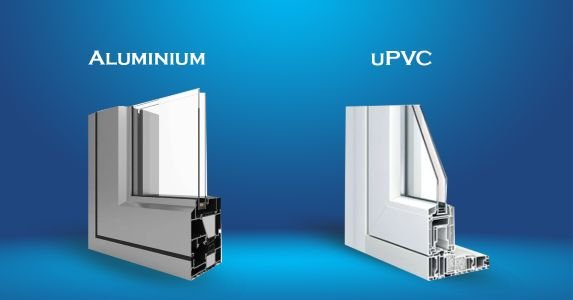
UPVC frames have multiple hollow chambers inside the profile and use compression gaskets, which help dampen noise. Paired with double glazing, uPVC casement windows are a popular choice for bedrooms facing main roads, railway lines or construction sites. Branded aluminium systems with good gaskets and double glazing also deliver quiet rooms, typically at a higher price.
Heat and Air-Conditioned Rooms
UPVC is a poor conductor of heat, so the frame stays close to room temperature. Standard aluminium frames transfer outdoor heat inward, and in humid cities they can collect droplets of condensation on the inside when the AC runs for long hours. Thermally broken aluminium, with an insulating strip inside the profile, handles this well and suits premium homes that want slim metal frames.
Monsoon Rain and Dust
Both materials handle the monsoon comfortably when the windows are well designed. Look for drainage slots in the bottom track of sliding windows, so water that collects during heavy rain flows outside instead of onto the sill. In dusty cities like Delhi, Jaipur or Lucknow, tightly sealed casement windows in either material keep homes noticeably cleaner.
Light and Sightlines
Aluminium is strong enough to be made into very slim profiles, giving more glass and more daylight, especially in large living room windows. UPVC frames are wider. On a big window, that difference is small. On a compact 2 ft × 2 ft bathroom or kitchen window, a slim aluminium frame lets in noticeably more light.
Coastal Air
Seaside homes in Goa, Puducherry or Visakhapatnam do well with either. UPVC doesn’t corrode, and aluminium with marine-grade powder coating or quality anodising holds up for decades. Stainless steel handles and hinges are a wise addition in both cases.
Sliding, Casement or Tilt-and-Turn?
Sliding windows are the most common in India because they save space and don’t open into the room or onto the balcony. They suit living rooms and bedrooms where airflow matters more than a tight seal.
Casement windows open outward on hinges and seal tightly when closed. They’re the better pick for noise control and for rooms that stay air-conditioned.
Tilt-and-turn windows, mostly found in uPVC, can tilt open at the top for ventilation during rain or swing fully inward. The inward swing has a practical bonus for high-rise flats: you can clean the outside of the glass safely from inside the room.
Grills, Mesh and Cleaning
Indian homes have needs that window catalogues from other countries don’t always cover.
- Safety grills: Many uPVC and aluminium suppliers offer windows with built-in grills, which look neater than a separate MS grill fixed outside.
- Mosquito mesh: Three-track sliding windows include a dedicated mesh shutter. Casement windows usually use pleated or roller mesh on the inside.
- Cleaning: Sliding windows in upper-floor flats can be hard to clean on the outside. Ask about removable sashes or tilt-and-turn options.
- Pigeon nets and sun shades: Check that the frame allows fixing these without drilling through the main profile.
Budget for a Typical 2BHK
Market rates vary by brand, glass and hardware. Current figures place uPVC sliding windows at roughly ₹450 to ₹1,200 per square foot. Basic aluminium windows start around ₹300 to ₹550, while branded aluminium systems commonly range from ₹600 to ₹2,200.
A typical 2BHK might have around 110 square feet of window area across the living room, two bedrooms, kitchen and bathrooms. At ₹450 for basic aluminium, that comes to about ₹49,500. Standard branded uPVC at ₹800 brings it to about ₹88,000. Slim branded aluminium at ₹1,600 would be around ₹1.76 lakh. Grills, mesh and double glazing add to each option.
A popular mixed approach is uPVC casement windows in bedrooms for quiet and comfort, with aluminium sliders in the kitchen and utility area where slim frames and budget matter more.
FAQs
Q1. Which is better for windows, uPVC or aluminium?
A: UPVC is better for insulation and noise control, while aluminium offers slimmer frames, more colours and larger glass panels.
Q2. Do aluminium windows cause condensation?
A: Standard aluminium frames can show condensation in humid AC rooms, but thermally broken aluminium largely prevents it.
Q3. Are uPVC windows good for Indian summers?
A: Yes, uPVC frames resist heat transfer well and stay comfortable in hot climates, especially with good glass.
Q4. Which window type is best for noise?
A: UPVC casement windows with double glazing are among the best options for reducing outside noise.
Q5. Can uPVC windows have grills?
A: Yes, many uPVC window suppliers in India offer integrated safety grills and mosquito mesh.
Q6. Which window is cheaper, uPVC or aluminium?
A: Basic aluminium windows are the cheapest, uPVC sits in the middle, and branded aluminium systems cost the most.