
Wall-mounted faucets typically cost 30 to 50% more than their deck-mounted counterparts, and yet they’ve become one of the fastest-growing choices in modern bathroom and kitchen design. That premium isn’t accidental — it reflects real installation complexity, but also a genuinely different set of practical advantages that go well beyond looks. Understanding what you’re actually paying for makes this decision considerably clearer.
The Basic Structural Difference
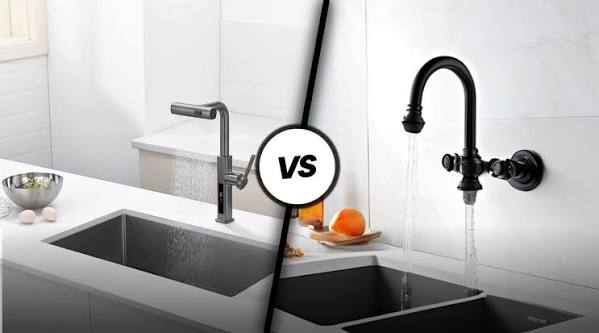
A deck-mounted faucet is installed directly onto the sink, countertop, or vanity surface, using the predrilled holes most vanities already have — this is the familiar, traditional configuration most bathrooms and kitchens have used for decades. A wall-mounted faucet, by contrast, is installed into the wall above the sink or basin, with the spout extending outward into the bowl, while all the plumbing connections remain hidden inside the wall itself.
Aesthetic Impact and Design Style
Wall-mounted faucets create a genuinely sleek, minimalist, high-end look, since the concealed plumbing leaves nothing but the spout visible above the basin. This aesthetic has grown considerably in popularity for modern, contemporary bathroom designs, and it can serve as a genuine statement piece depending on the finish chosen.
Deck-mounted faucets carry a more classic, timeless appeal that suits both traditional and contemporary designs, offering a familiar look that works across a considerably wider range of decor styles. If you’re aiming for an ornate, Victorian-style, or otherwise traditional bathroom aesthetic, deck-mounted faucets generally fit that vision more naturally.
Counter and Sink Space
This is one of wall-mounted faucets’ clearest practical advantages. Because the faucet body sits above the basin rather than occupying space on the countertop, you gain genuinely usable extra room around the sink for soap, toothbrushes, or other daily items. This matters considerably more in smaller bathrooms, where every inch of counter space affects how functional and uncluttered the room feels.
Cleaning and Maintenance Around the Fixture
Wall-mounted faucets are genuinely easier to keep clean around the base, since there’s no fixture sitting directly on the countertop collecting water spots, soap residue, or grime at its base. Deck-mounted faucets, sitting directly on the counter or sink surface, require more routine cleaning attention around their base to prevent buildup over time.
That said, when it comes to actual mechanical maintenance and repairs, deck-mounted faucets have the clear advantage — repairs don’t require accessing the wall, making them considerably simpler and less expensive to service than a wall-mounted unit’s concealed internal plumbing.
Installation Complexity and Cost
Deck-mounted faucets are considerably easier and faster to install, particularly in existing bathrooms with standard plumbing layouts already designed around this configuration. Many vanities come with predrilled holes specifically for this mounting style, making installation a comparatively straightforward process.
Wall-mounted faucets require running supply lines through the wall itself, which typically means opening up the wall structure to install and align the plumbing correctly. This added complexity directly explains both the higher upfront installation cost and the meaningful price premium wall-mounted units carry compared to deck-mounted alternatives.
A Genuine, Common Frustration: Splashing
This is a practical issue that catches many first-time wall-mounted faucet owners off guard. Because the spout extends outward from the wall into the basin, water splashing is a commonly reported frustration, and the issue often only becomes apparent after installation is already complete. Getting the spout height and reach properly calculated — so it aligns correctly over the center of the basin — before installation is essential to minimizing this problem.
Design Variety and Customization Options
Deck-mounted faucets offer considerably more design variation and style options, simply because they represent the vast majority of faucets manufactured and sold. Wall-mounted faucets, being the less common configuration, come with a somewhat narrower range of styles and finishes, which can limit your options if you’re seeking a very specific look or finish that isn’t widely available in the wall-mounted category.
Which One Actually Suits Your Space?
Wall-mounted faucets work best for compact, modern bathrooms where maximizing counter space genuinely matters, and for anyone specifically drawn to the sleek, contemporary aesthetic enough to justify the higher installation cost and more involved future maintenance. Deck-mounted faucets remain the more practical, affordable, and easily serviceable choice for most standard renovations, and they fit a considerably wider range of design styles, from classic to contemporary.
The Bottom Line
Wall-mounted faucets offer genuine space-saving benefits, easier surface cleaning, and a distinctive modern aesthetic, but they come with meaningfully higher installation costs, more complex future repairs, and a real risk of splashing if spout positioning isn’t calculated carefully. Deck-mounted faucets remain the simpler, more affordable, and easier-to-maintain option that suits the widest range of bathrooms and design styles. The right choice depends on weighing your specific space constraints, budget, and design priorities rather than assuming the more expensive, striking option is automatically the better one for your bathroom.
FAQs
Q1. How do I prevent the splashing issue that’s commonly reported with wall-mounted faucets?
Getting the spout height and horizontal reach precisely calculated during installation — so the water stream lands correctly in the center of your specific basin — is the most effective way to minimize splashing before it becomes a daily frustration. It’s worth confirming these measurements with your installer against your exact sink or basin dimensions rather than relying on standard spout specifications alone.
Q2. Can I switch from a deck-mounted to a wall-mounted faucet without a full bathroom renovation?
It’s possible, but it requires opening up the wall to run and properly align the supply lines, which typically means more significant plumbing and wall work than a simple faucet swap. If you’re not already planning other renovations that involve opening the wall, this added labor cost is worth weighing carefully against the aesthetic and space benefits before committing.
Q3. Which type of faucet is easier to repair if something breaks years after installation?
Deck-mounted faucets are considerably easier and less expensive to repair, since all the plumbing connections remain fully accessible without needing to open the wall. Wall-mounted faucets require accessing concealed plumbing behind the wall for repairs, which typically means more involved and costlier service work when internal components eventually need attention.
Q4. Is a wall-mounted faucet worth the extra cost for a small bathroom specifically?
For genuinely space-constrained bathrooms, the counter space gained by moving the faucet off the sink surface can make a real functional difference, which is where wall-mounted faucets deliver their clearest practical value beyond pure aesthetics. If your bathroom already has ample counter space, that specific advantage matters less, and the added installation cost may be harder to justify purely for the visual appeal.