
Is drinking and driving with low alcohol levels legal? Only up to a point. Indian law sets the line at 30 mg of alcohol per 100 ml of blood (0.03% BAC), and anything above it is a criminal offence under Section 185 of the Motor Vehicles Act. Below that line, no Section 185 case can be made. But “below the limit” is a thinner shield than most people assume.
The Short Version
- Legal limit: 30 mg of alcohol per 100 ml of blood, applied uniformly across India.
- First offence: A fine up to ₹10,000 and/or up to six months in jail. The 2019 amendment raised the fine from ₹2,000.
- Repeat offence: Sources describe up to two years and/or ₹15,000.
- Licence: Suspension is a standard consequence, though sources differ on the minimum period.
- Proof: Courts expect a breathalyser or blood test, not just the smell of alcohol.
What the 30 mg Rule Actually Means
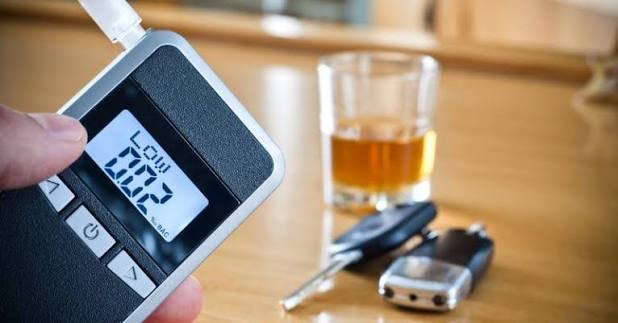
Section 185 makes it an offence to drive with more than 30 mg of alcohol per 100 ml of blood. Police normally check with a breathalyser, and a reading above the limit is evidence of the offence. A driver under the limit can’t be prosecuted under this section.
That’s the law’s literal position. It isn’t advice. A one-off test reading says nothing about how impaired you are, and there’s no reliable rule of thumb for how much you can drink before crossing the line. Body weight, food and timing all change the result.
Penalties
For a first offence, the Act prescribes a fine up to ₹10,000, imprisonment up to six months, or both. The same rate applies to all vehicles, including two-wheelers and commercial vehicles.
Repeat offenders face more. One source puts the penalty for a second offence at up to two years and/or ₹15,000. State-level figures I found show ₹10,000 as the headline fine in Maharashtra, Delhi and Karnataka.
Licence suspension is where sources disagree:
- One source says a first offence usually means suspension for at least six months.
- Another cites a Supreme Court Committee on Road Safety position of not less than three months.
- A third says up to three months, and up to six months for repeats.
I can’t reconcile these, so ask the licensing authority in your state.
When a Low Reading Still Hurts
A reading under 30 mg doesn’t make driving after drinking safe, and it doesn’t protect you in every situation.
- Accidents: If you cause a death, charges can go well beyond Section 185. Older sources cite IPC Section 304 and 304A. Under the new code, courts have discussed culpable homicide not amounting to murder under BNS Section 105.
- Insurance: Drinking and driving can complicate motor insurance claims.
- Zero-tolerance pressure: The Madras High Court has suggested the Centre let states adopt a zero-tolerance norm inside Section 185 itself. It observed that the limits seem theoretical and that “even the most minute impairment” can have disastrous consequences. That’s a recommendation, not law, but it shows where the debate is heading.
- Commercial drivers: One source says many states are pushing toward zero tolerance for commercial drivers.
Can Police Charge You on the Smell of Alcohol?
Not on smell alone, according to a July 2026 Uttarakhand High Court ruling. The court held that the smell of alcohol on someone’s breath, without a blood test or breathalyser showing the concentration exceeded the statutory limit, can’t establish drunken driving. It also said that smell alone can’t justify framing a culpable homicide charge under BNS Section 105.
In that case, the medical examination recorded the smell, but no blood sample or other scientific test was done. The court treated that as a gap.
Refusing the Breath Test
Refusal isn’t a safe move. One summary says it counts as a separate violation. An older explainer notes that a presumption of drunkenness can be drawn under Section 205 when someone refuses, and that police may add rash driving charges.
Treat that as background. Section numbers have changed under the new criminal codes, and you should confirm the current position with a lawyer.
What Happens After a Stop
- Police ask you to take a breath test, usually at the roadside.
- A reading above 30 mg per 100 ml leads to a challan, and the vehicle can be detained.
- The licensing authority can suspend your licence once an offence is registered. The Madras High Court said authorities should invoke that power promptly.
- You can pay the fine online or offline, depending on the challan.
Avoiding the Problem
- Hand over the keys. Use a cab or a designated driver.
- Don’t rely on counting drinks to stay under 30 mg.
- Drinking-age laws vary by state, but drink-driving rules apply uniformly across India.
- If you’ve been drinking at a bar, arrange transport before the first round.
FAQs
Q1. Is there a legal alcohol limit for driving in India?
Yes. The limit is 30 mg of alcohol per 100 ml of blood, or 0.03% BAC. Driving above it is an offence under Section 185 of the Motor Vehicles Act.
Q2. What is the fine for a first drink-driving offence?
Up to ₹10,000, up to six months in jail, or both. The fine was ₹2,000 before the 2019 amendment, and licence suspension can follow.
Q3. Can police prosecute me for the smell of alcohol alone?
The Uttarakhand High Court held in 2026 that smell without a breathalyser or blood test can’t establish drunken driving. A scientific test showing the limit was exceeded is required.
Q4. Does a reading below 30 mg make it safe to drive?
No. It only means Section 185 doesn’t apply. Impairment varies from person to person, and an accident can still bring serious charges and insurance problems.