
Wooden windows vs uPVC windows is a choice between two very different traditions. On one side are the teak and jackwood windows of an old Kerala tharavad, the painted shutters of a Goan villa and the deodar frames of a Shimla cottage. On the other are the crisp white or wood-grain uPVC frames now standard in city apartments from Gurugram to Bengaluru. Both can give you a beautiful, long-lasting window. The real difference lies in how much care each needs, how they cope with your local climate and the look you want your home to have for the next twenty years.
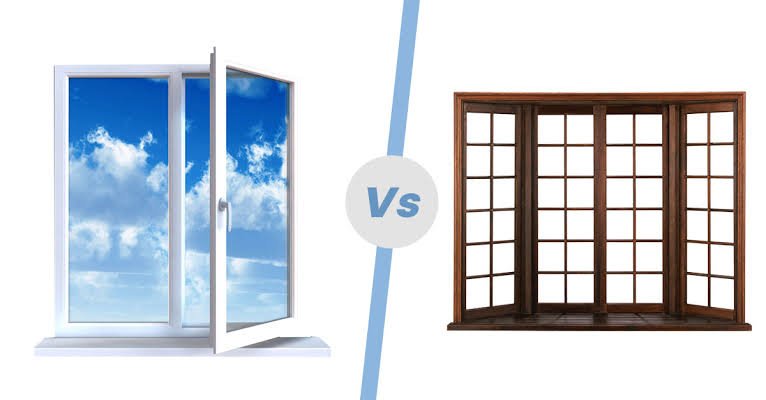
Where Wooden Windows Still Belong
Wood has framed Indian windows for centuries, and for good reason. It’s naturally insulating, easy for a local carpenter to shape and repair, and it brings a warmth that suits traditional and heritage-style homes.
Wooden windows can be made in almost any shape: arches, bay windows, carved frames, louvred shutters and divided glass panes. Teak is the premium choice, prized for its natural oils and stability. Sal, hardwoods like hollock, and in the hills, deodar and pine are also common.
Modern engineered timber windows have added another option. They use finger-jointed or laminated wood sections that stay straighter than single pieces of timber, often with factory-applied coatings that last longer between maintenance visits.
What UPVC Changed
UPVC, or unplasticised polyvinyl chloride, brought factory precision to Indian windows. Profiles are extruded with internal chambers and steel reinforcement, then fitted with rubber gaskets and multi-point locks. The result is a window that seals tightly, needs almost no upkeep and isn’t affected by termites or moisture.
UPVC windows also come in laminated foil finishes such as golden oak, walnut and mahogany, so homeowners who like the look of wood can get a similar feel without the maintenance.
Living With Each Window Over 15 Years
The Upkeep Calendar
Wooden windows look their best with regular care. Windows facing strong sun or rain generally need a fresh coat of polish, varnish or paint every two to three years. Inner faces can go longer. This routine keeps the timber sealed and its colour rich.
UPVC windows need only a wipe with mild soapy water, a quick clean of the bottom track and a drop of lubricant on hinges and locks once or twice a year.
Monsoon Behaviour
Timber absorbs a little moisture during long monsoon months, so wooden sashes can tighten slightly in their frames, then loosen again in winter. Well-seasoned teak moves very little, and a carpenter can ease a tight sash in minutes. UPVC stays the same size in every season, which keeps opening and closing smooth year-round.
Termites and Pests
Wooden windows should be made from termite-treated timber, and frames fixed to masonry benefit from anti-termite treatment around the opening. UPVC is completely unaffected by termites and borers.
Repairs
Wood wins on repairability. A cracked frame, loose joint or broken glass bead can be fixed on site by almost any carpenter in India. UPVC repairs usually need the original fabricator for replacement parts, though good uPVC windows rarely need repair at all.
Comfort Indoors
Both wood and uPVC are poor conductors of heat, so both keep rooms comfortable compared with bare metal frames. In hill stations like Shimla, Darjeeling or Ooty, wooden windows with well-fitted glass have kept homes cosy for generations. UPVC with double glazing performs very well in cold climates too, and its gaskets cut draughts effectively.
For noise, uPVC has an edge in its standard form because of its compression seals. Wooden windows can achieve similar results when fitted with modern weather seals and double glazing, which many good carpenters and window makers now offer.
Cost of One Bedroom Window, Today and Later
Take a 5 ft × 4 ft bedroom casement window, 20 square feet in all. Using approximate 2026 market rates:
- Teak window at around ₹1,500 per square foot: about ₹30,000
- Sal or other hardwood at around ₹900: about ₹18,000
- Branded uPVC casement at around ₹900: about ₹18,000
Now add maintenance. If refinishing a wooden window costs, say, ₹1,500 per visit every three years, that’s five visits and about ₹7,500 over fifteen years. A uPVC window’s upkeep over the same period is close to nothing beyond basic cleaning.
On the other hand, a teak window can be refinished to look new again and often lasts well beyond 30 years, while quality uPVC windows typically serve 25 to 30 years.
Picking by Region and Home Type
- Coastal and heavy-rainfall areas like Kerala, Konkan and the Northeast: uPVC for low upkeep, or treated teak for traditional homes with a maintenance routine.
- Hot, dry cities like Jaipur, Ahmedabad and Delhi: both work well; wood needs protection from strong sun on west-facing sides.
- Hill stations: wooden windows suit the local architecture, while uPVC with double glazing excels at keeping out cold.
- High-rise apartments: uPVC is usually simpler, since outer faces are hard to reach for refinishing.
- Heritage and independent homes: wooden windows keep the character consistent and can match doors and furniture.
If You Choose Wood
- Ask for kiln-dried, termite-treated timber and confirm the species on the invoice.
- Choose an exterior-grade PU or marine varnish for windows facing sun and rain.
- Add rubber weather seals to reduce dust and noise.
- Fit drip moulds at the bottom of the outer frame to shed rainwater.
- Use brass or stainless steel hinges and stays.
- Plan a refinishing routine every two to three years for exposed windows.
FAQs
Q1. Which lasts longer, wooden or uPVC windows?
A: Well-maintained teak windows can last over 30 years, while quality uPVC windows typically last 25 to 30 years.
Q2. Are uPVC windows cheaper than wooden windows?
A: UPVC windows usually cost about the same as hardwood windows and less than teak windows.
Q3. Do wooden windows need a lot of maintenance?
A: Wooden windows exposed to sun and rain need refinishing every two to three years to stay in good condition.
Q4. Can uPVC windows look like wood?
A: Yes, uPVC windows come in wood-grain laminate finishes such as oak, walnut and mahogany.
Q5. Which is better for hill stations?
A: Both work well, with wooden windows suiting traditional homes and double-glazed uPVC giving excellent draught control.
Q6. Are wooden windows good for coastal homes?
A: Treated teak windows perform well near the coast with regular care, while uPVC needs very little upkeep in salty air.